



Articles by Paolo Scarnecchia
-
-
 Ensemble La Rêveuse – New CD
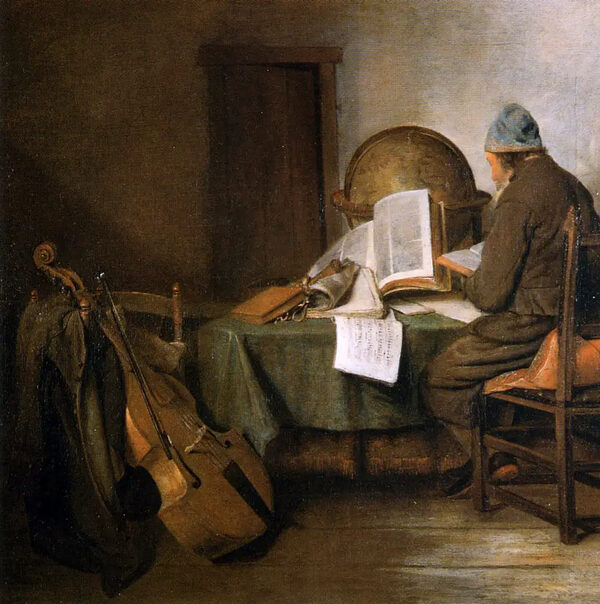
The Mystery of Monsieur de Sainte-Colombe
‘Tous les matins du monde’: beyond Pascal Quignard’s novel and Alain Corneau’s 1991 hit film, who knows of Monsieur de Sainte-Colombe, a master of the viola da gamba from the second half of the 17th century and a contemporary of Lully? On their new CD, Florence Bolton and Benjamin Perrot, of the French ensemble La Rêveuse, together with musicologist Matteo di Capua, attempt to unravel the mystery.
-
 Young Talents
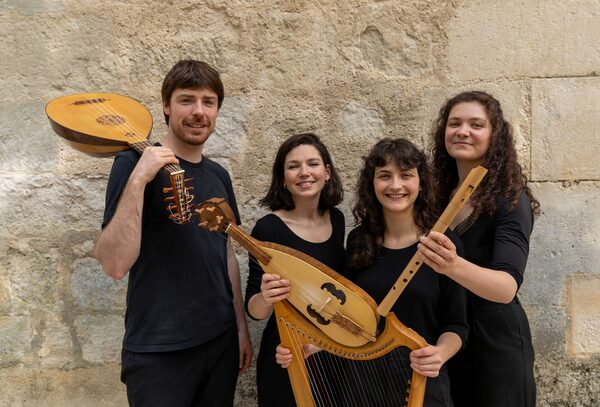
ApotropaïK: New Messengers of the Middle Ages
Formed in Lyon, the French quartet ApotropaïK describes its music as ‘new music of the Middle Ages’: troubadours, the Ars Nova, oral tradition, improvisation and stage productions all contribute to an approach that is as well-researched as it is free-spirited. Their next performance will take place this coming December in Enghien-les-Bains (France) with their new programme, ‘Bestiaire’.
-
 Rimini (Northern Italy)
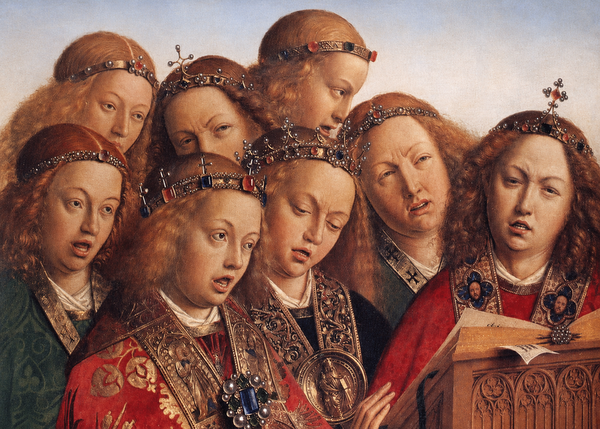
Previously unknown 14th-century Italian scores discovered in an accounting register
A financial document, a simple register of dues collected from the lands of the Benedictine monastery of San Gaudenzo, founded in Italy in the 14th century, concealed a treasure: a collection of 89 songs, including 19 previously unknown works, among them one by Francesco Landini, the most prestigious composer of the Italian Ars Nova. These pieces will be presented in Rimini on September 4 and performed for the first time by Ensemble Micrologus at Rimini’s Galli Theatre.
-
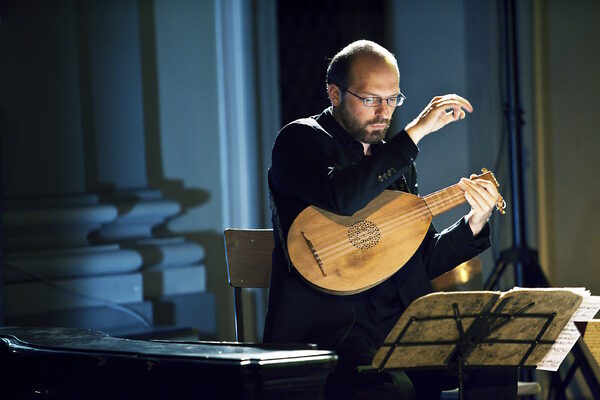 La fonte musica celebrates 20 years
From Medieval Ars Nova to the Minimalism of Steve Reich
What is the connection between the Ars Nova—a musical revolution in the mid-14th century—and contemporary composer Steve Reich, one of the pioneers of minimalist music in the 20th century? Find out on September 4 at the Utrecht Early Music Festival, featuring Michele Pasotti and his Italian ensemble La fonte musica.
-

-
 Innsbruck Festival of Early Music
Cesti’s “Il pomo d’oro”: The Daring Gamble of Reviving an Opera Unperformed Since 1668
Ten hours of music over two evenings, a theatre built especially for the occasion, and more than forty characters: Antonio Cesti’s “Il pomo d’oro” had all the makings of an extraordinary theatrical gamble. Premiered in 1668 at the imperial court in Vienna and never revived since, this monument to Habsburg glory returns to the stage this summer in Innsbruck with Accademia Bizantina, under the direction of Ottavio Dantone, to celebrate the 50th anniversary of the Innsbrucker Festwochen der Alten Musik. The opera will be performed on 7+8, 11+12, 15+16 August at the Tiroler Landestheater.
-
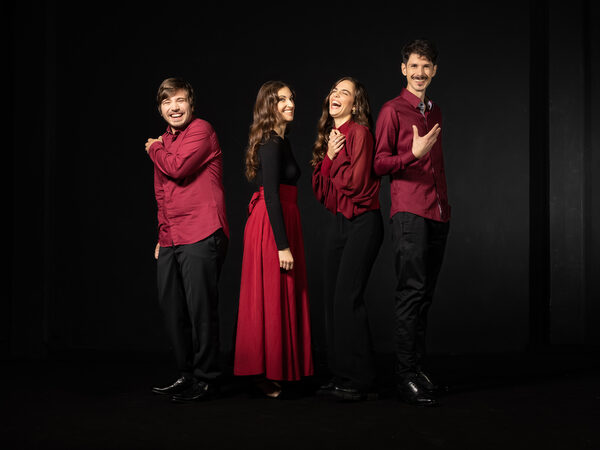 Young Talents
PassiSparsi, the Morescas and a Black Cat at the Window
PassiSparsi are Italian and unapologetically unconventional. This vocal quartet has chosen a little-known Renaissance polyphonic repertoire: the morescas, irreverent secular songs that composer Orlando di Lasso wrote following a stay in Naples. Discover the mystery of PassiSparsi’s black cat in this many-voiced interview.
-
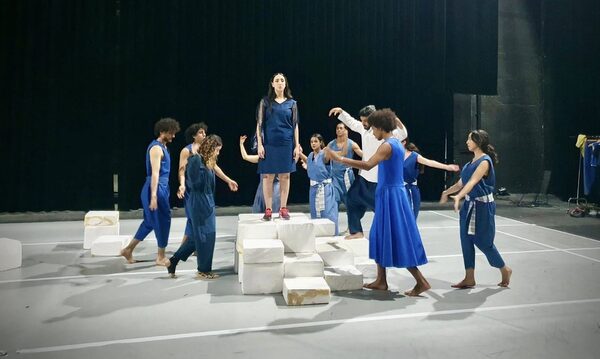 Les Épopées & Stéphane Fuget
Queen Dido Returns to Tunis
On May 14 and 15, Les Épopées and Stéphane Fuget bring Queen Dido back to the Tunis Opera House in her homeland, since, according to Purcell’s opera—based on Virgil’s Aeneid—she was the one who founded the nearby city of Carthage. This new production is distinctive in combining the ensemble’s historically informed performance practice with Middle Eastern music and dance.
-
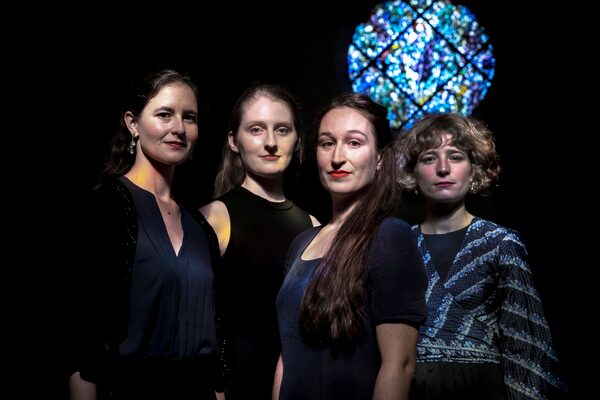 Young Talents
Contre le Temps: Reclaiming the Middle Ages
Created in Basel (Switzerland), in the vibrant atmosphere of the Schola Cantorum Basiliensis, the female vocal quartet Contre le Temps brings medieval music to life in a renewed form. Four singers—two French, two American—and four individual paths converging in a shared sound, always in search of itself.
-
 Vincent Dumestre & Le Poème Harmonique
Molière Revisited, Kraków in Sight
Between a twenty-date tour in France of L’Avare (“The Miser”), an intermezzo on Molière’s famous play composed in 1720 by the Italian Francesco Gasparini, and preparations for the next edition of the Misteria Paschalia festival in Kraków, for which he serves as musical director for the 2024–2026 period, spring promises to be busy for Vincent Dumestre and his ensemble Le Poème Harmonique.
-
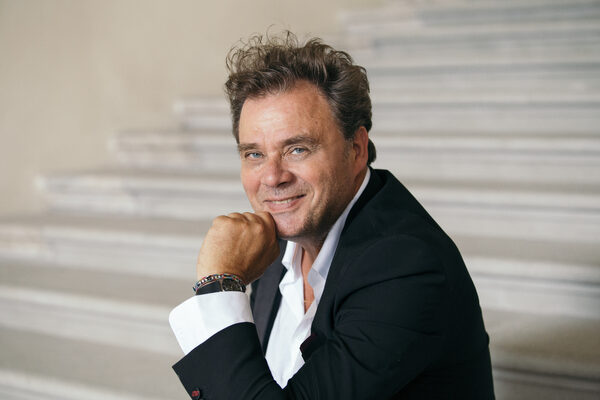 Ottavio Dantone & Accademia Bizantina
Liberating Baroque Music Through Knowledge
In the landscape of European Baroque ensembles, Accademia Bizantina and its director, Ottavio Dantone, stand out for their originality and their sense of communication. “The Exciting Sound of Baroque Music” is their motto, and their concerts are guided by the watchword “Liberate the music”! As for the Brandenburg Concertos, they are recording them on their own label, HDB Sonus, in a series entitled Baroque Anatomy.
