
Interview
-
-
-

-

-
-

-
-
-
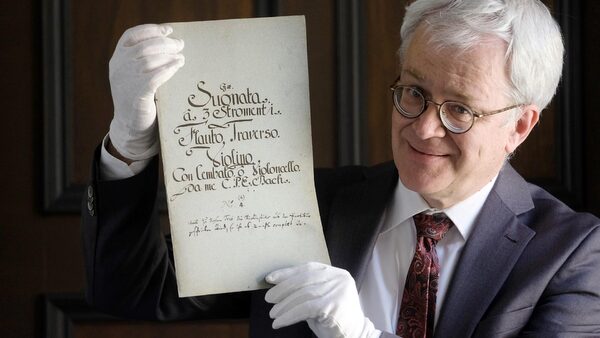 Peter Wollny – Bach-Archiv of Leipzig (2/2)
Bach: The Hunt for Lost Manuscripts
Where should we look for the Bach works that no one has yet found? In a small church in Saxony, buried deep in a dusty file, or even among Arabic manuscripts… In this second part of our interview, Peter Wollny explains how researchers at the Bach Archive track down the composer’s lost works and documents. A treasure hunt in which you need to know where to look—and sometimes count on a stroke of luck!
-
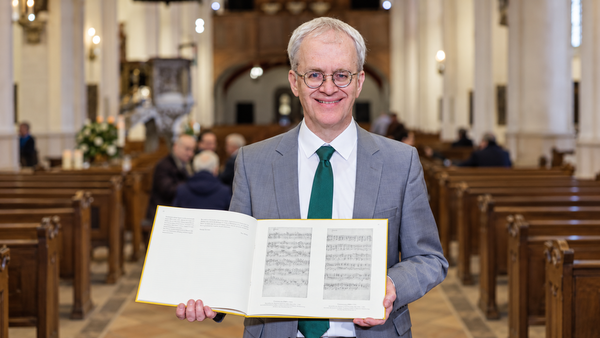 Peter Wollny – Leipzig Bach Archive (1/2)
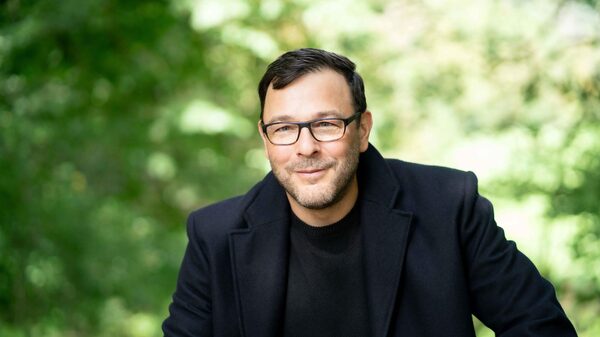
Bach or Not Bach: That Is the Question!
What is there still to discover about Johann Sebastian Bach? At the Bach Archive in Leipzig, Peter Wollny has spent more than thirty years tracking down manuscripts, watermarks, copyists and all manner of musical clues. For the institution’s director, authenticating a score is a genuine investigation, in which doubt matters as much as intuition and the smallest detail can reopen a case thought to be closed. Just a few months ago, two further discoveries offered another reminder that, nearly three centuries after Bach’s death, his music and its transmission can still hold surprises.
-
 Young Talents
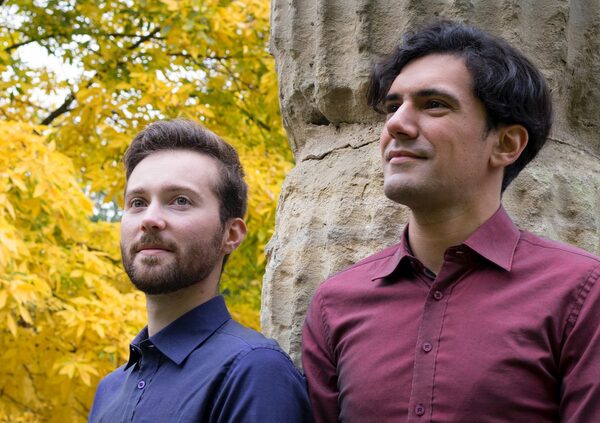
Les Trouveurs: Singing the Middle Ages A Cappella
Two voices, no instruments: French duo Les Trouveurs have made this sparseness a defining principle. In Paris or Utrecht, from Navarre to Poland, Mathias Lunghi and Camile Macinenti show that medieval troubadour songs need little more than a story to recover their power to fascinate.
-