



History
-
-
 Women Composers
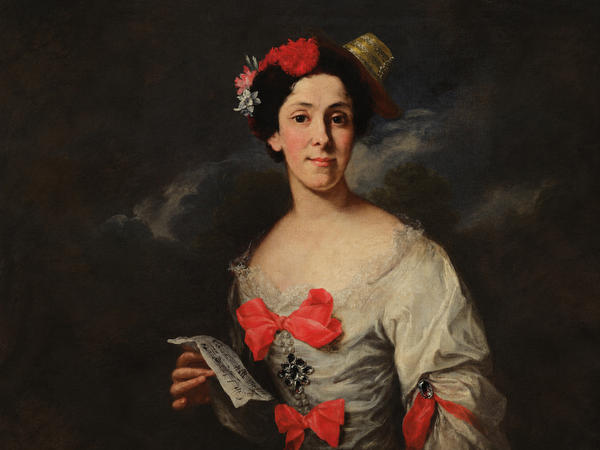
Camilla de Rossi, a Viennese Baroque Enigma
No portrait, no biography, only a handful of documents that can be counted on the fingers of one hand: almost everything about Camilla de Rossi has vanished. All she left behind were four oratorios composed for the Viennese court between 1707 and 1710. Yet they are enough to reveal a distinctive, inventive, and fully accomplished musical language, sketching the profile of a composer of remarkable musical audacity.
-
 Women Composers
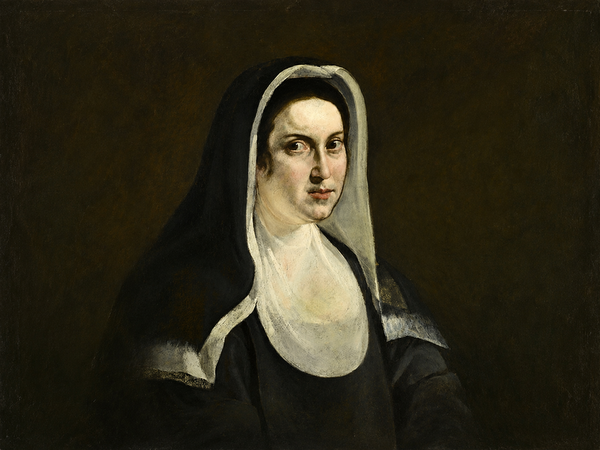
Chiara Margarita Cozzolani, Abbess and Musician in Baroque Milan
A composer, nun, and later abbess, Chiara Margarita Cozzolani made music one of the central focuses of her life. In 17th-century Milan, her talent flourished within the walls of Santa Radegonda, until it came into direct conflict with the hostility of Archbishop Alfonso Litta.
-
 At the heart of Elizabethan England
John Dowland (1563-1626), Prince of Melancholy
In 2026, the musical world marks the 400th anniversary of John Dowland’s death. A virtuoso lutenist, tireless traveller and master of a melancholy that became almost his trademark, the English composer emerges as far more than a mere poet of tears. Amid courtly ambitions, publishing success, political suspicions and stays in France, Germany, Italy and Denmark, he was one of the most mobile and distinctive musicians of his age. His “Songs or Ayres”, published from 1597 onwards, helped establish the lute song in England, while “Lachrimae, or Seaven Teares” explored in 1604 the many facets of a motif made famous by “Flow my tears”. Long excluded from the court of Elizabeth I, Dowland served Christian IV of Denmark before becoming lutenist to James I of England in 1612: behind the musician who styled himself “semper Dowland, semper dolens” stands an artist keenly aware of his career and the circulation of his works.
-
 Baroque Music in Japan (2/2)
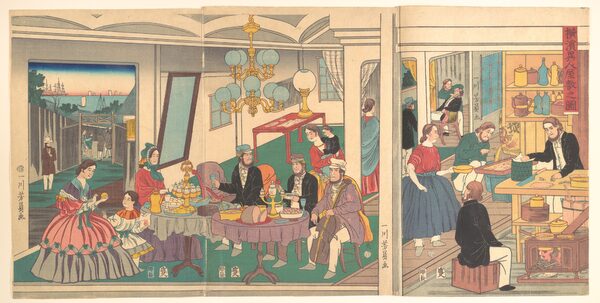
Baroque in Japan? The contemporary Japanese scene
After 1945, despite the dominance of a Germanic and Romantic model, Japan’s musical landscape gradually opened up to other horizons. Bach, Vivaldi, and Rameau found their place in an archipelago where concert halls, schools, radio, and even cafés played a decisive role. Here is the second instalment of a series chronicling a musical discovery in which the recorder takes center stage!
-
 The Great Baroque Libraries
Barocco Napoletano: Treasures from the Conservatorio San Pietro a Majella
Viva Napoli: nativity scenes and pizza, Maradona and music… But Naples is also home to Cimarosa, Pergolesi, Vinci, Leo, Porpora, Durante, as well as Jommelli and Gluck. These musical treasures from Naples’ Baroque libraries are awaiting to be (re)discovered !
-
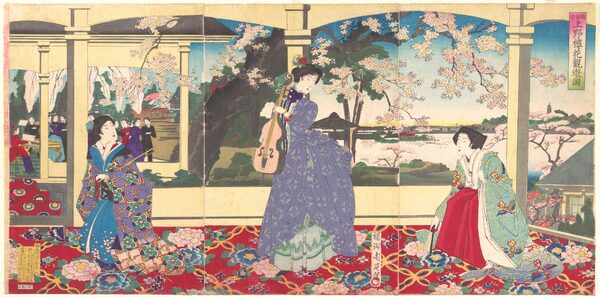 Baroque music in Japan (1/2)
Baroque in Japan? From Jesuit missionaries to the concerts of the 1930s
With Bach Collegium Japan and numerous musicians active around the world, Japan is now recognized as a country of excellence in the performance of baroque music. Introduced in the 16th century by Jesuit missionaries, it disappeared after the country’s closure before re-emerging at the end of the 19th century. Here is a brief history of baroque music in Japan, from the arrival of hymns in 1549 to the first concerts of the 1930s.
-
 Women Composers
Antonia Bembo, a Venetian at the Court of Louis XIV
Having fled to Paris, the Venetian composer and singer Antonia Bembo (1643–1715) led a truly romantic life, marked by a marital escape, royal patronage, and the creation of a musical language that blended Italian and French styles. A pupil of Cavalli, her only opera, “Ercole amante”, is on the bill at the Paris Opera from 28 May.
-
 35 years of Hamburger Ratsmusik
Filippo Finazzi, an Italian castrato in Hamburg
Exactly 250 years ago, on 22 April 1776, the Italian castrato Filippo Finazzi—singer, composer, and former cavalry captain—died near Hamburg. Thirty years earlier, he had taken his leave from the Hamburg stage in an opera of his own making. To pay tribute to him, the Hamburger Ratsmusik is bringing several previously unheard symphonies and cantatas by this singular figure of 18th-century European opera back to life.
-
 Landini and Schoonjans
A Viennese Duel of Baroque Divas
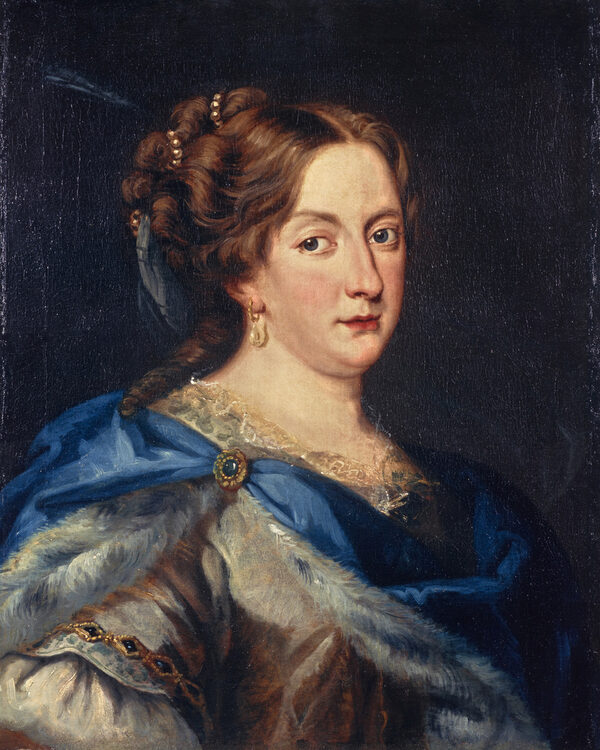
At the imperial court of Vienna, Maria Landini-Conti and Regina Schoonjans were the two most celebrated sopranos of the early eighteenth century. Rivals on stage and in the affections of composers and audiences alike, they embodied two distinct styles that soon became locked in competition. It was a matter of glory, rivalry, and power.
-
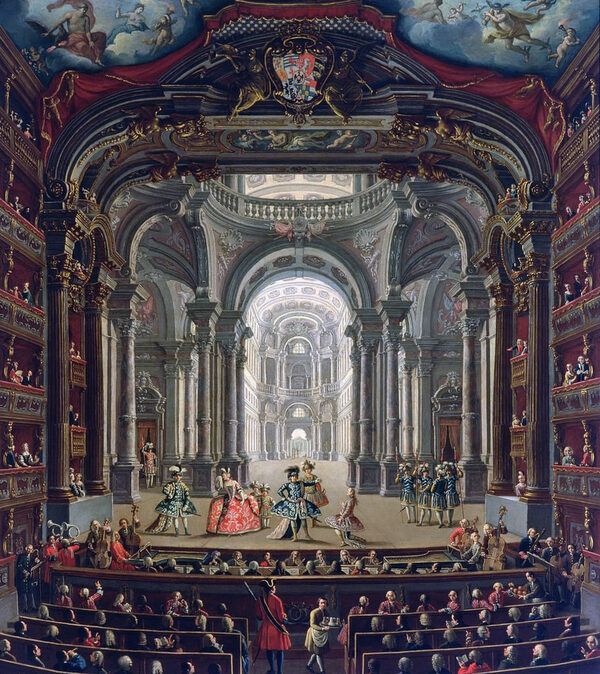 The Journeys of Music (3/3)
When Italian Opera Shone Across Baroque Europe
Do you know about the “trunk arias” that opera singers carried with them in their luggage in the seventeenth and eighteenth centuries? In this third instalment, we set off across Europe, in search of Italian opera. After the journey of church chant in the early Christian centuries and the travels of Franco-Flemish music during the Renaissance, this episode invites us to discover a genre newly born in Florence which, in less than a century, conquered all of Europe.
-
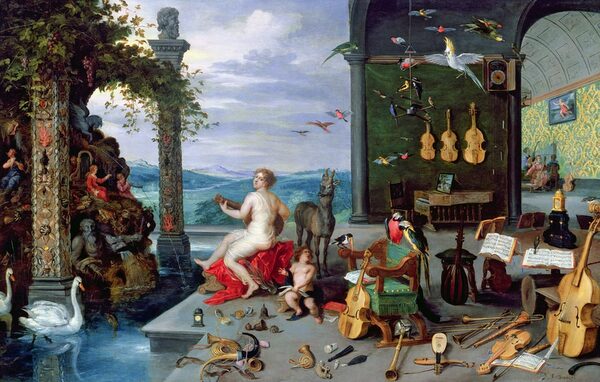 The Journeys of Music (2/3)
In Renaissance Europe, the Age of the Franco-Flemish Musicians
From a small region, today spanning northern France and Belgium, from the Scheldt Valley to the great European courts, Renaissance composers shaped a musical language in constant motion. Movements, influences, and exchanges formed a dense network at the heart of which a shared aesthetic emerged—one we now refer to as Franco-Flemish.
