



Articles by Rashid-S. Pegah
-
-
 Women Composers
Camilla de Rossi, a Viennese Baroque Enigma
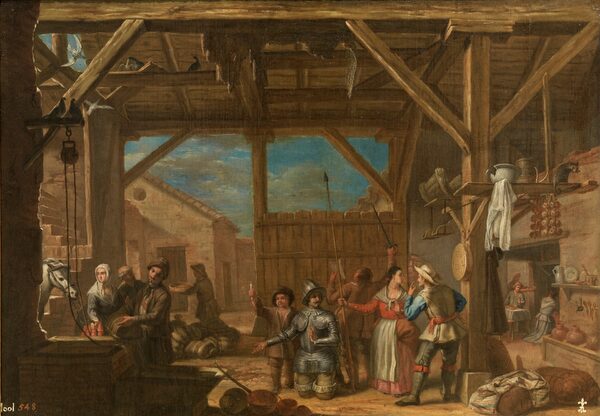
No portrait, no biography, only a handful of documents that can be counted on the fingers of one hand: almost everything about Camilla de Rossi has vanished. All she left behind were four oratorios composed for the Viennese court between 1707 and 1710. Yet they are enough to reveal a distinctive, inventive, and fully accomplished musical language, sketching the profile of a composer of remarkable musical audacity.
-
-
 Young Talents
False Consonance: Four Musicians, No Keyboard
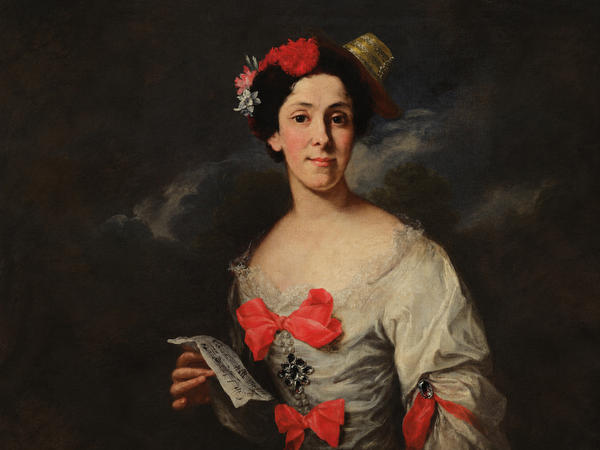
Founded in Bremen, northern Germany, in 2020, just as the pandemic brought European musical life to a standstill, False Consonance has made an unusual configuration its hallmark: four musicians, but no keyboard instrument to support the continuo. A constraint that has become a field for experimentation.
-
 Women Composers
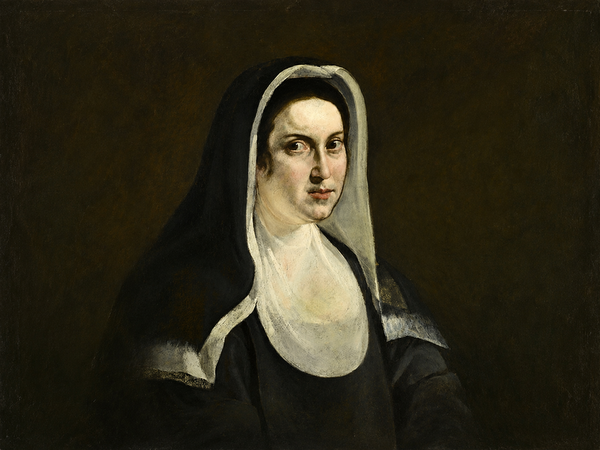
Chiara Margarita Cozzolani, Abbess and Musician in Baroque Milan
A composer, nun, and later abbess, Chiara Margarita Cozzolani made music one of the central focuses of her life. In 17th-century Milan, her talent flourished within the walls of Santa Radegonda, until it came into direct conflict with the hostility of Archbishop Alfonso Litta.
-
 Young Talents
Barque Ensemble: The Vitality of Polish Early Music
A group of four to six young Polish musicians, Barque Ensemble was founded in Łódź in 2019 and is equally drawn to Telemann and to “forgotten masters”, whether German or, more unusually, Irish. Their next appearance is on 28 August at the Innsbrucker Festwochen der Alten Musik in Innsbruck.
-
 At the heart of Elizabethan England
John Dowland (1563-1626), Prince of Melancholy
In 2026, the musical world marks the 400th anniversary of John Dowland’s death. A virtuoso lutenist, tireless traveller and master of a melancholy that became almost his trademark, the English composer emerges as far more than a mere poet of tears. Amid courtly ambitions, publishing success, political suspicions and stays in France, Germany, Italy and Denmark, he was one of the most mobile and distinctive musicians of his age. His “Songs or Ayres”, published from 1597 onwards, helped establish the lute song in England, while “Lachrimae, or Seaven Teares” explored in 1604 the many facets of a motif made famous by “Flow my tears”. Long excluded from the court of Elizabeth I, Dowland served Christian IV of Denmark before becoming lutenist to James I of England in 1612: behind the musician who styled himself “semper Dowland, semper dolens” stands an artist keenly aware of his career and the circulation of his works.
-
 35 years of Hamburger Ratsmusik
Filippo Finazzi, an Italian castrato in Hamburg
Exactly 250 years ago, on 22 April 1776, the Italian castrato Filippo Finazzi—singer, composer, and former cavalry captain—died near Hamburg. Thirty years earlier, he had taken his leave from the Hamburg stage in an opera of his own making. To pay tribute to him, the Hamburger Ratsmusik is bringing several previously unheard symphonies and cantatas by this singular figure of 18th-century European opera back to life.
-
 Ensemble Théodora
“Tranquilles cœurs”
On this debut album, the Théodora ensemble takes listeners on a journey through France and the German-speaking world, from Lully and Campra to the Krieger brothers, where styles intersect and transform. Carried by a distinctive vocal palette and a finely articulated continuo, the recording highlights the variety of compositional approaches and characters.
