


 In 2026, the musical world marks the 400th anniversary of John Dowland’s death. A virtuoso lutenist, tireless traveller and master of a melancholy that became almost his trademark, the English composer emerges as far more than a mere poet of tears. Amid courtly ambitions, publishing success, political suspicions and stays in France, Germany, Italy and Denmark, he was one of the most mobile and distinctive musicians of his age. His “Songs or Ayres”, published from 1597 onwards, helped establish the lute song in England, while “Lachrimae, or Seaven Teares” explored in 1604 the many facets of a motif made famous by “Flow my tears”. Long excluded from the court of Elizabeth I, Dowland served Christian IV of Denmark before becoming lutenist to James I of England in 1612: behind the musician who styled himself “semper Dowland, semper dolens” stands an artist keenly aware of his career and the circulation of his works.
  By
By 


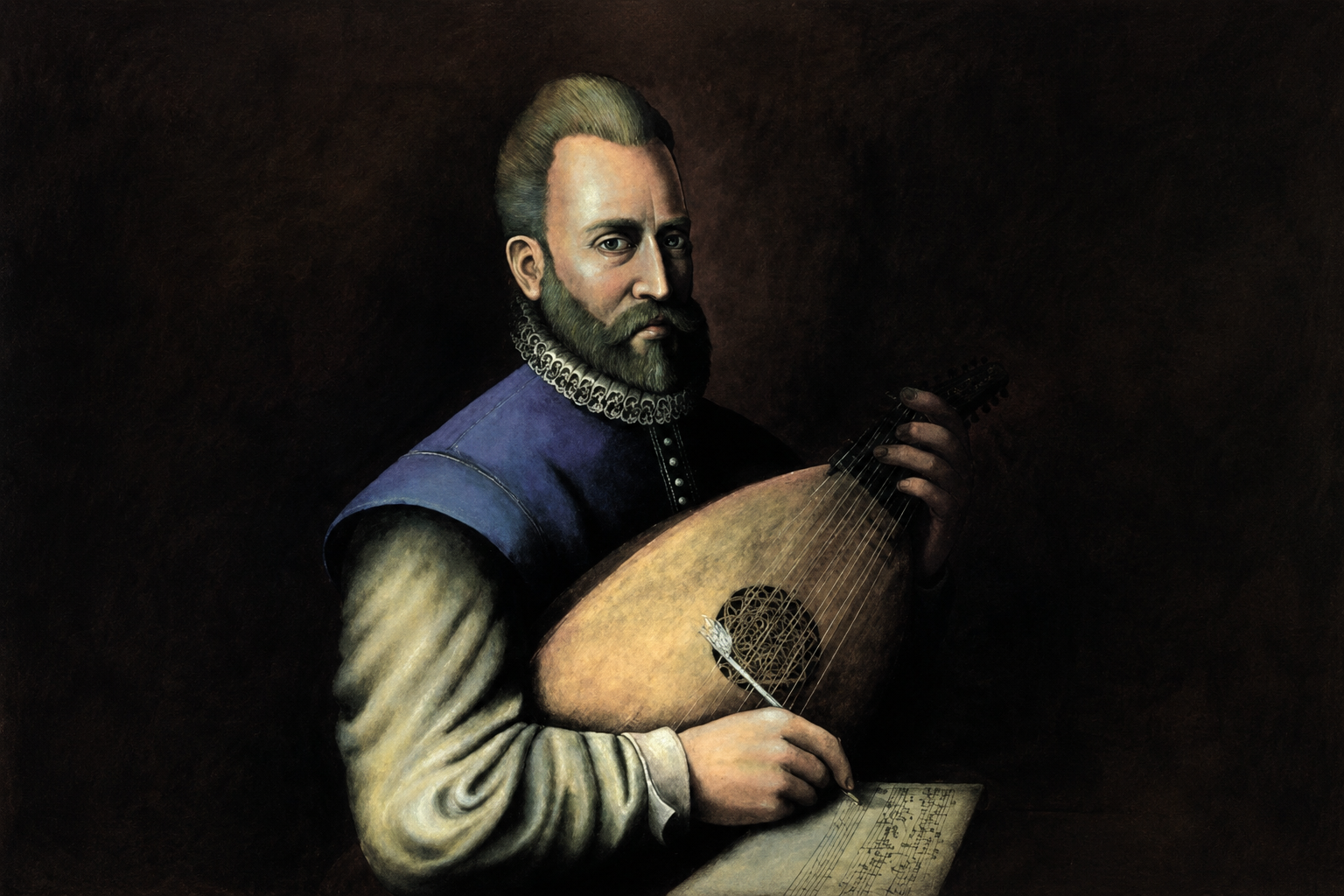
This year, the music world is commemorating the 400th anniversary of the death of John Dowland (1563-1626), a major figure of the late English Renaissance and one of the first truly European composers of his time. A virtuoso lutenist, tireless traveler, and musician sought after by Europe’s greatest courts, Dowland was also an artist remarkably conscious of his image, to the point of turning melancholy into an aesthetic—almost a signature. His life—marked by thwarted ambitions and travels between England, Germany, Italy, and Denmark—bears no resemblance to the reclusive existence sometimes attributed to “poets of tears”: it is interwoven with political intrigues, court rivalries, career strategies, and resounding publishing successes. With his collections of Songs or Ayres and his celebrated instrumental cycle Lachrimæ, he created a musical language of rare expressive intensity, in which lament became a refined art. Four centuries later, his songs and pavanes continue to grace stages and recordings, proof that this skillfully crafted melancholy has lost none of its appeal.
A Conversion to Catholicism That Would Shape His Life
John Dowland was born in 1563, somewhere in England, perhaps even in London. At age 17, he was a servant in the retinue of Sir Henry Cobham (1537-1592), who was then the English ambassador to the French court.
During the approximately four years he spent in France, Dowland had the opportunity to study with outstanding lutenists. French lute culture had, moreover, long influenced its English counterpart. Various forms of French song also left their mark on English song during this period. Dowland’s stay in France had another important consequence: he converted to Catholicism. That decision barred him for many years from pursuing a career in Protestant England. Despite his efforts, the court of Queen Elizabeth would refuse to appoint him as a court lutenist.
Upon his return to England, Christ Church College in Oxford awarded Dowland, along with Thomas Morley (1557/58-1602), another composer, the Bachelor of Music degree in the summer of 1588. Around the same time, the 25-year-old was already regarded as one of the most celebrated musicians of his age. His compositions were performed with increasing frequency at court. Dowland appears at that point to have been in the service of several English noblemen, including Sir Henry Noel (†1597), as well as Sir George Carey (1548-1603) and his wife Elizabeth, born Spencer (1552–1618).
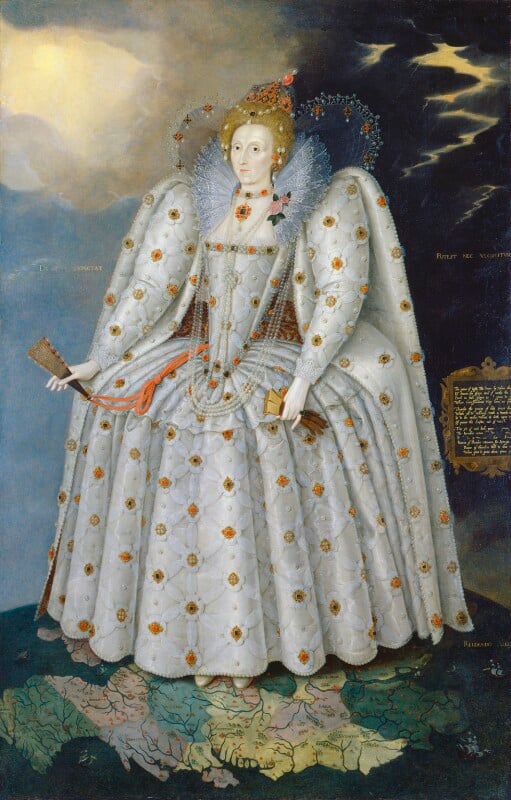
For the time being, he could only dream of securing a permanent position. When he applied to the court of Queen Elizabeth I (1533-1603; reigned from 1558) in 1594 to become the new court lutenist, she rejected his application. Was it because of his Catholic faith? In any case, the Queen left the position vacant for a year.
Passionate about early music and want to read this subscriber-only article?
If you are not a subscriber, join the international Total Baroque community. Subscribe here from 5.00€.
I subscribe
If you are already a subscriber, sign in.
I sign in 
You must be logged in to be able to post comments.
Sign in