




Articles
# TopicsAnniversary Baroque CD in four questions CD New Releases Early music festival Focus guests Heritage History interview music pictures of the Week Playlist of the week Portrait Presto Records Report Video of the week Young talents
-
-
-
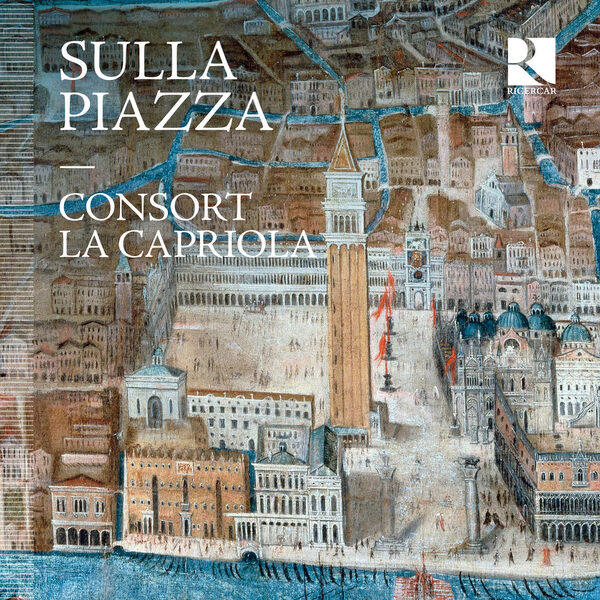 La Capriola
Sulla Piazza
What might life have been like for a violin consort in sixteenth-century Venice? For its debut album, La Capriola imagines an evening around St Mark’s Square, from the basilica to the palaces and then on to the taverns. Willaert, Rore, Gabrieli and Bendusi punctuate a journey in which sacred music, madrigals, dances and songs reveal the many faces of what was still a relatively new instrument.
-
 Launching AEVUM: Streaming, Reimagined
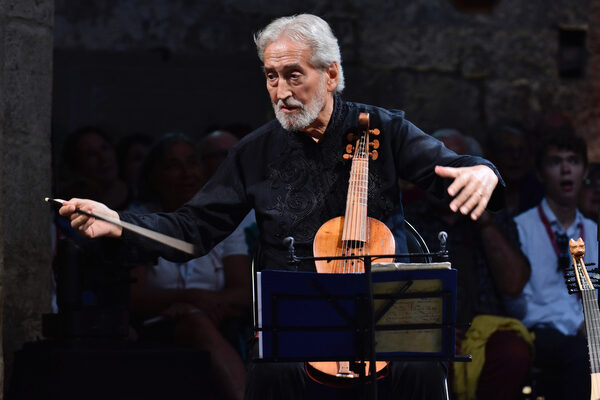
Jordi Savall: Choosing Independence, Once Again
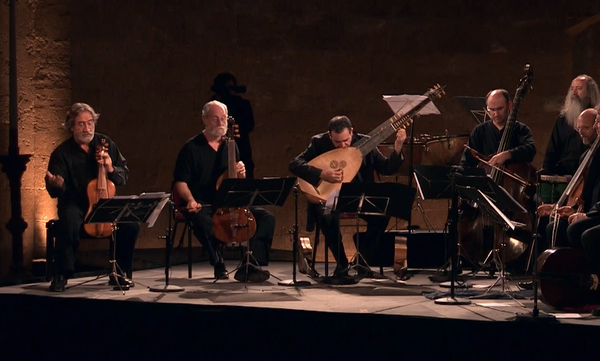
At 85, Jordi Savall shows little inclination to slow down. After transforming the way we listen to early music, creating his own ensembles and his own label, the Catalan viol player and conductor is now embarking on a new adventure: the creation of AEVUM, a digital platform designed to return to musicians some of the value that streaming has taken away from them. A new fight for independence—and an opportunity to look back with him on sixty years of music.
-
-

-
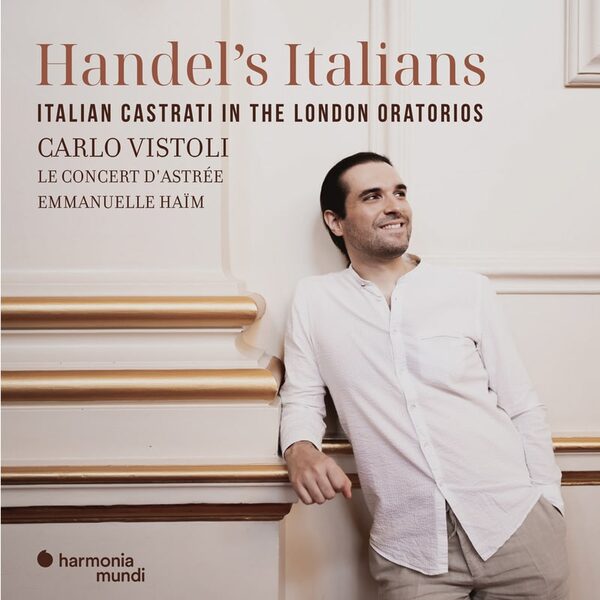 Carlo Vistoli & Le Concert d’Astrée
Handel’s Italians
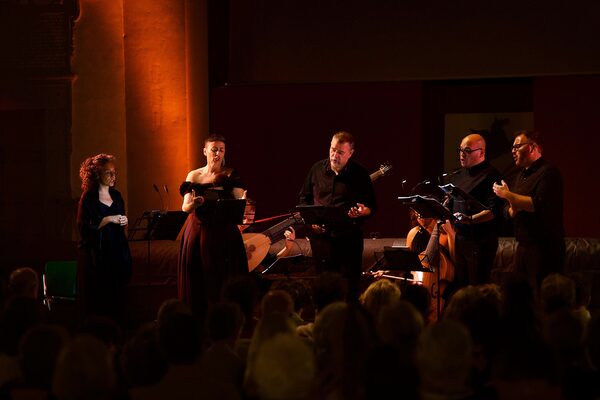
As Handel shaped the English oratorio in London, he did not turn his back on the great Italian opera stars, even adapting his scores to suit their voices. With “Handel’s Italians”, Carlo Vistoli, Emmanuelle Haïm and Le Concert d’Astrée bring these tailor-made versions back to life.
-
 Women Composers
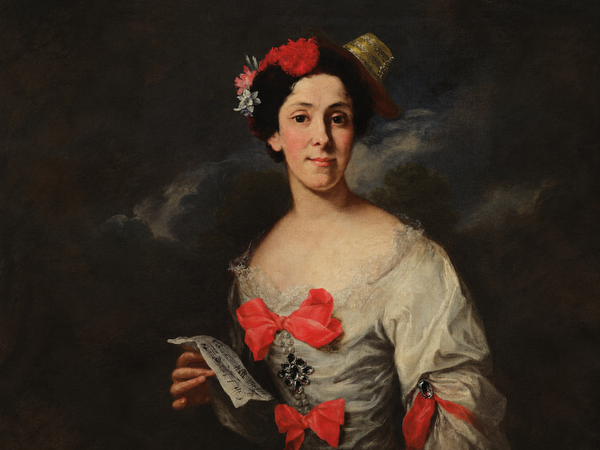
Camilla de Rossi, a Viennese Baroque Enigma
No portrait, no biography, only a handful of documents that can be counted on the fingers of one hand: almost everything about Camilla de Rossi has vanished. All she left behind were four oratorios composed for the Viennese court between 1707 and 1710. Yet they are enough to reveal a distinctive, inventive, and fully accomplished musical language, sketching the profile of a composer of remarkable musical audacity.
-
-
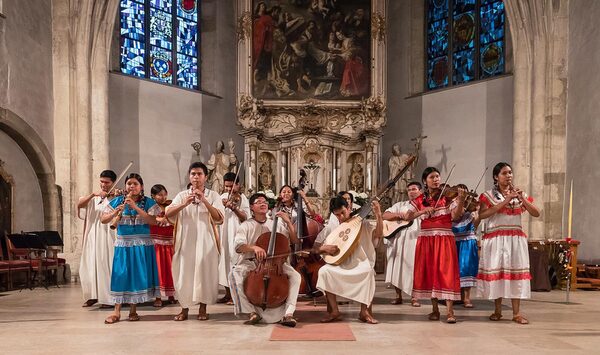 39th Sarrebourg Festival (FR)
Les Chemins du Baroque dans le Nouveau Monde: The Last Journey
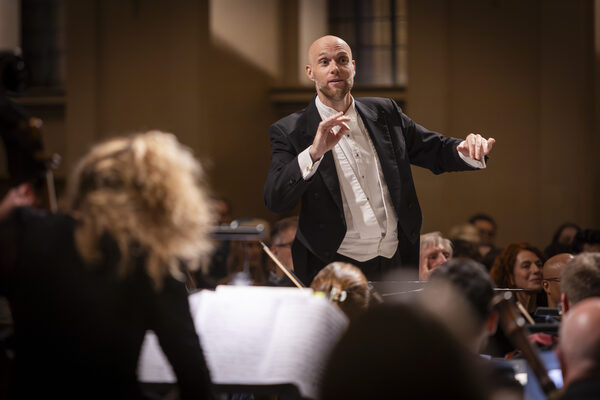
From 18 to 25 October, the 39th Sarrebourg International Music Festival will bring the Chemins du Baroque adventure in the New World to a definitive close. In March 2026, the transfer to Asunción of the music collection assembled in Saint-Ulrich had already given concrete form to the passing on of this legacy. This final edition will focus in particular on the composer Domenico Zipoli, born in Tuscany in 1688 and who died in Córdoba, Argentina, three hundred years ago, in 1726.
-
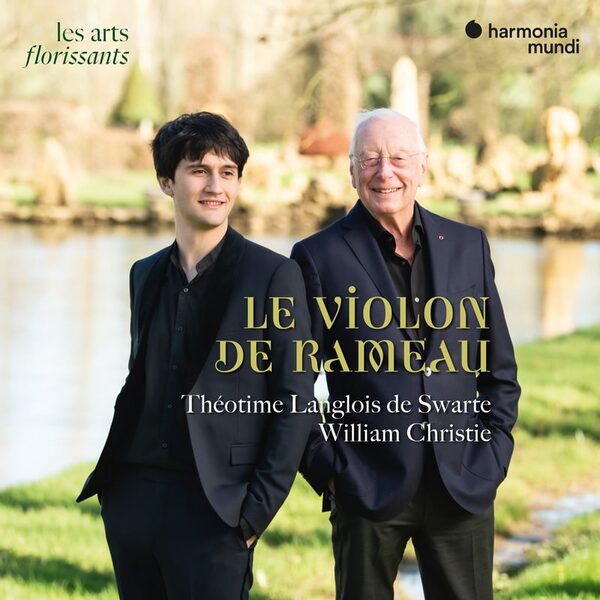 Théotime Langlois de Swarte & William Christie
Rameau’s Violin
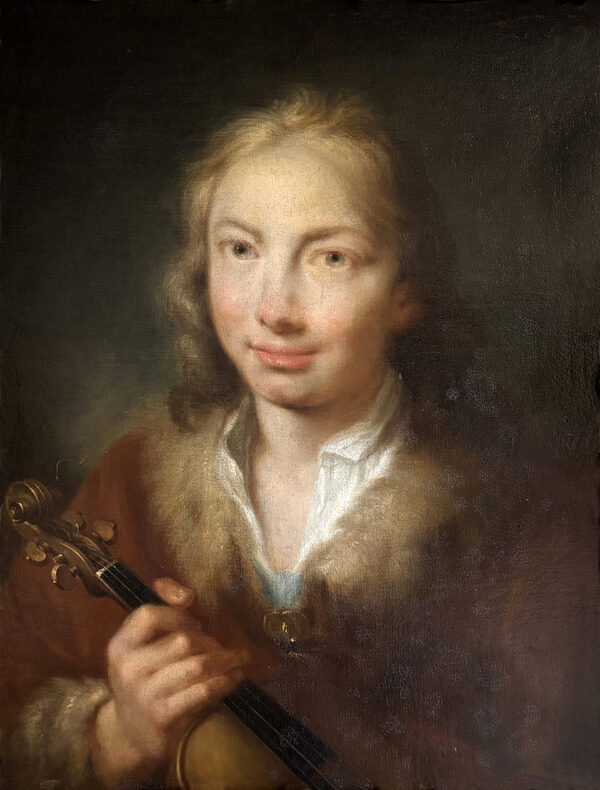
Why is Rameau holding a violin in one of his rare portraits? Taking this mystery as their starting point, Théotime Langlois de Swarte and William Christie explore the instrument’s little-known place in the composer’s world. From operatic transcriptions and dances to sonatas by his contemporaries, an intimate portrait of Rameau in which the violin becomes by turns singer, dancer and actor.
-
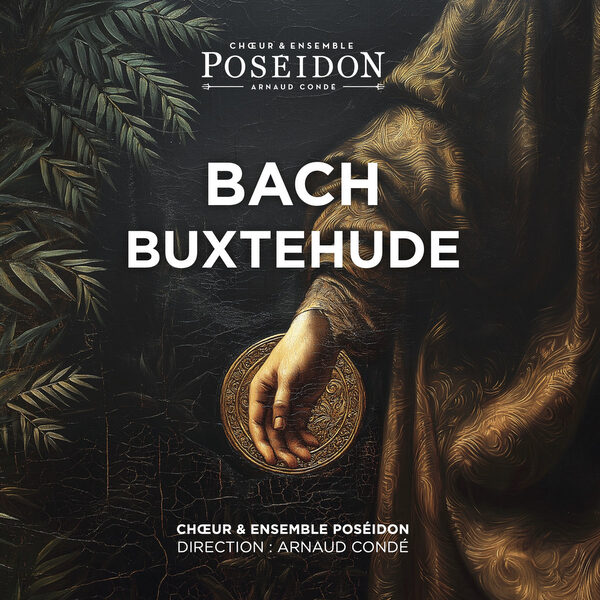 Chœur & Ensemble Poséidon & Arnaud Condé
Bach / Buxtehude
Why did the young Bach travel several hundred kilometres to hear Buxtehude in Lübeck? On their second album, the Chœur & Ensemble Poséidon trace the roots of his musical language, setting the cantata BWV 150 alongside works by the older composer he so admired, with Johann Kuhnau also entering the conversation. A journey into the musical world of Germany around 1700, when the future Cantor’s style was still taking shape.
