


 At the helm of El Gran Teatro del Mundo, Julio Caballero has, for the past ten years, shaped a distinctive aesthetic centred on the French repertoire of the seventeenth century—born of an original return to the sources, meticulous work on declamation, and a pronounced taste for theatricality. From Bern to Madrid, from the Lullists to Rameau: this is the story of an ensemble that makes each project an informed yet free reinterpretation of the codes of the Grand Siècle and beyond.
  By
By 


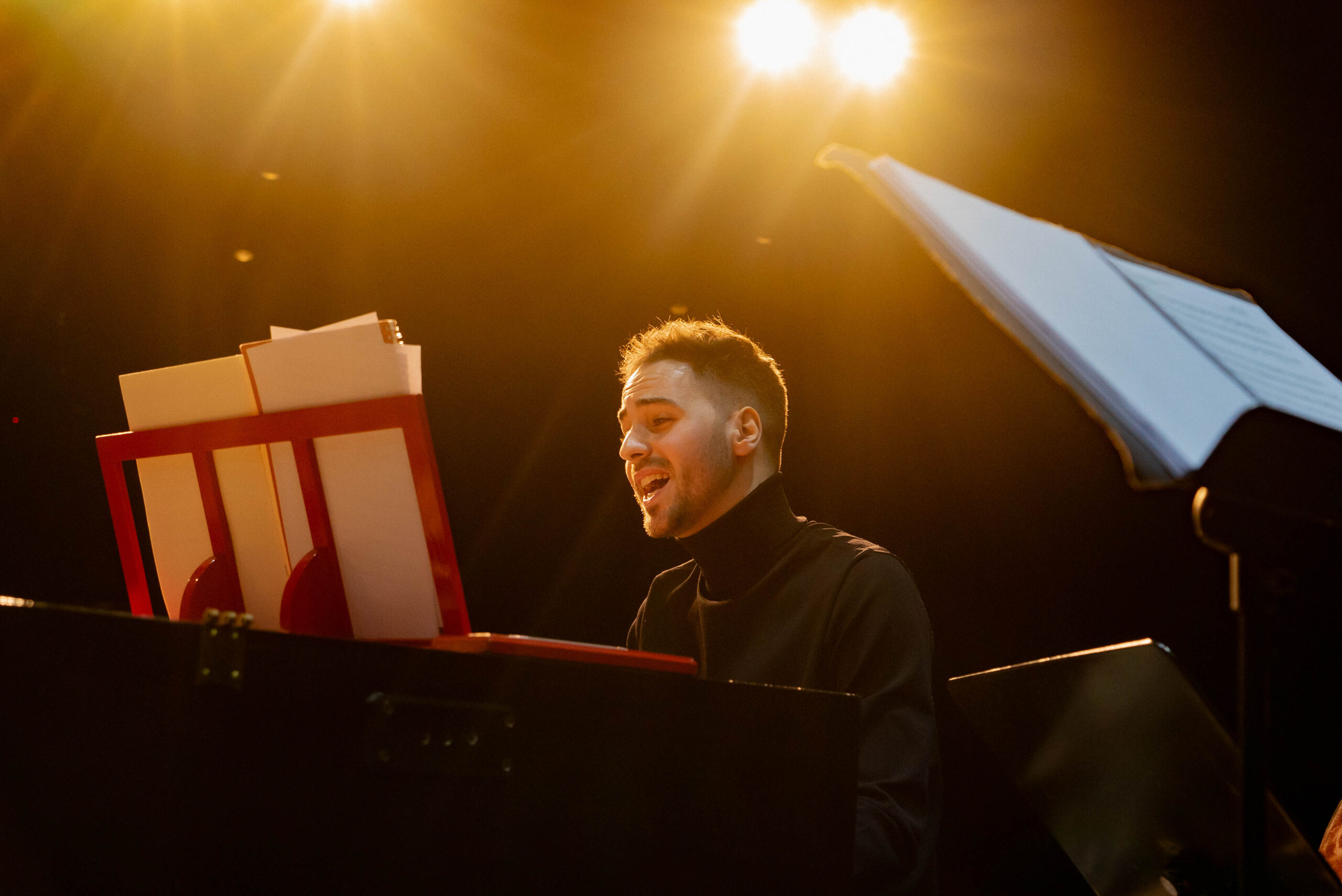
Founded in Bern by harpsichordist Julio Caballero, oboist Miriam Jorde, and gambist and cellist Bruno Hurtado, El Gran Teatro del Mundo has established itself over the past decade as one of Europe’s most acclaimed young Baroque ensembles. Winner of the 2019 Cambridge Early Music Prize and honoured with a “Choc” award from Classica for the album La vida es sueño in 2023, the group develops—through in-depth research into primary sources—a personal and captivating interpretation of the French Grand Siècle, with a focus on its European influences. Each project extends this approach, staying as close as possible to the score, the text, and the delivery.
Back to the sources
Caballero and fellow founders Miriam Jorde (oboe) and Bruno Hurtado (cello, basse de violon and viola da gamba) teamed up while students at the Bern Academy of the Arts, in Switzerland, eager to bring their own perspective to a repertoire they considered neglected outside France and with enormous potential yet to be tapped. Not, Caballero hastens to add, out of a wish to reinvent the French baroque, something he would consider pretentious, but more as a quest for a personal version, born of their study of primary sources and what they feel the music itself demands at a human, emotional level, guiding principles they maintain to this day.
He credits his mother’s playing a recording of the Brandenburg Concertos with awakening him to the baroque —“I can still remember the version, the Freiburger Barockorchester!” he exclaims, reliving his excitement. He felt an instant affinity with the repertoire, which drew him to the harpsichord and the opportunities it afforded him for ensemble playing as a fundamental pillar of the baroque orchestra. Facing initial opposition from his piano teacher as well as at home, he resorted to taking secret harpsichord lessons as a teenager in order to pursue his goal. His determination soon won his parents over, however, and they fully backed his move to Switzerland to specialise in early music, first in Bern and then at the Schola Cantorum in Basel.

Passionate about early music and want to read this subscriber-only article?
If you are not a subscriber, join the international Total Baroque community. Subscribe here from 5.00€.
I subscribe
If you are already a subscriber, sign in.
I sign in 

You must be logged in to be able to post comments.
Sign in