


 Ten hours of music over two evenings, a theatre built especially for the occasion, and more than forty characters: Antonio Cesti’s “Il pomo d’oro” had all the makings of an extraordinary theatrical gamble. Premiered in 1668 at the imperial court in Vienna and never revived since, this monument to Habsburg glory returns to the stage this summer in Innsbruck with Accademia Bizantina, under the direction of Ottavio Dantone, to celebrate the 50th anniversary of the Innsbrucker Festwochen der Alten Musik. The opera will be performed on 7+8, 11+12, 15+16 August at the Tiroler Landestheater.
  By
By 


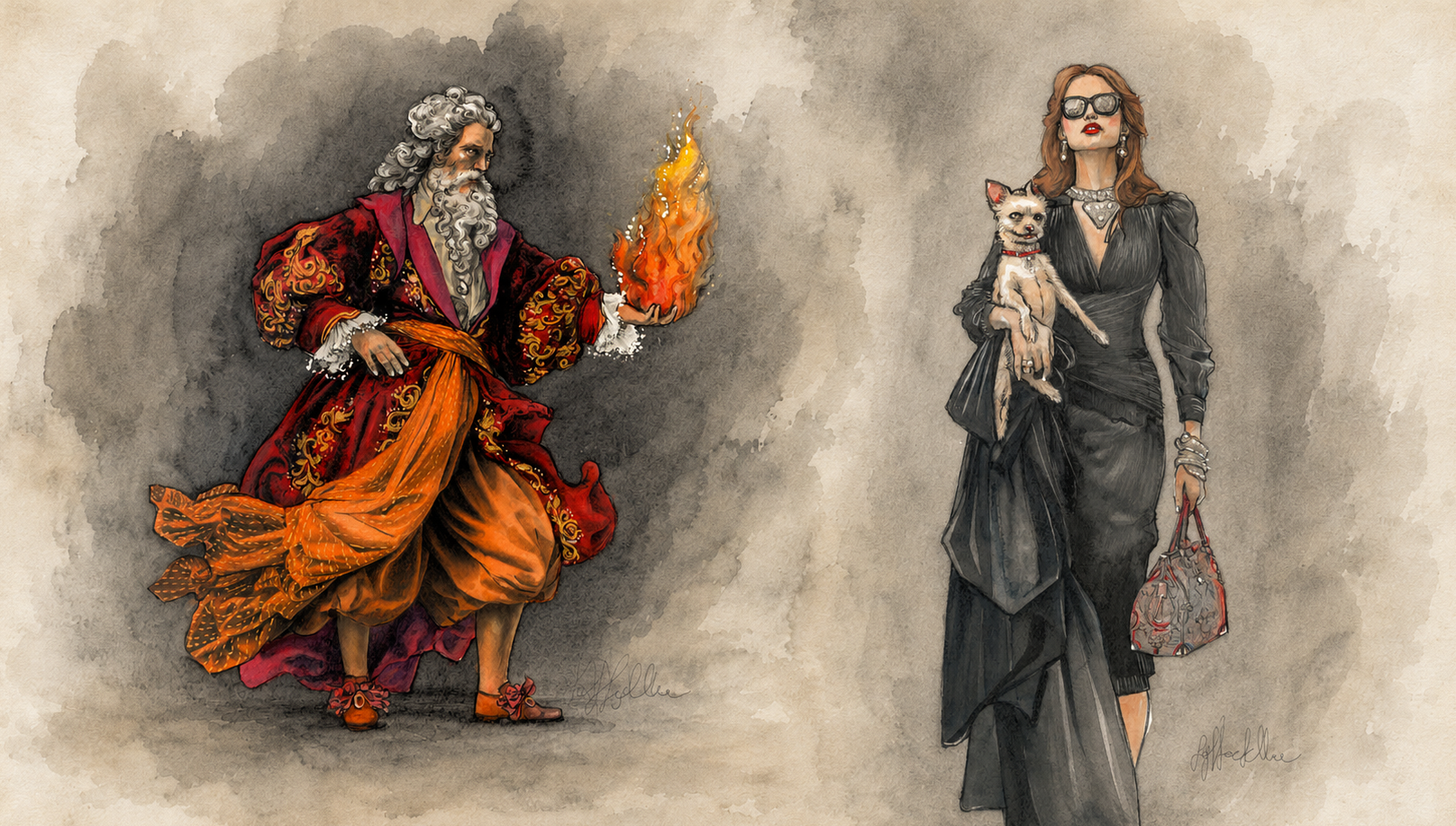
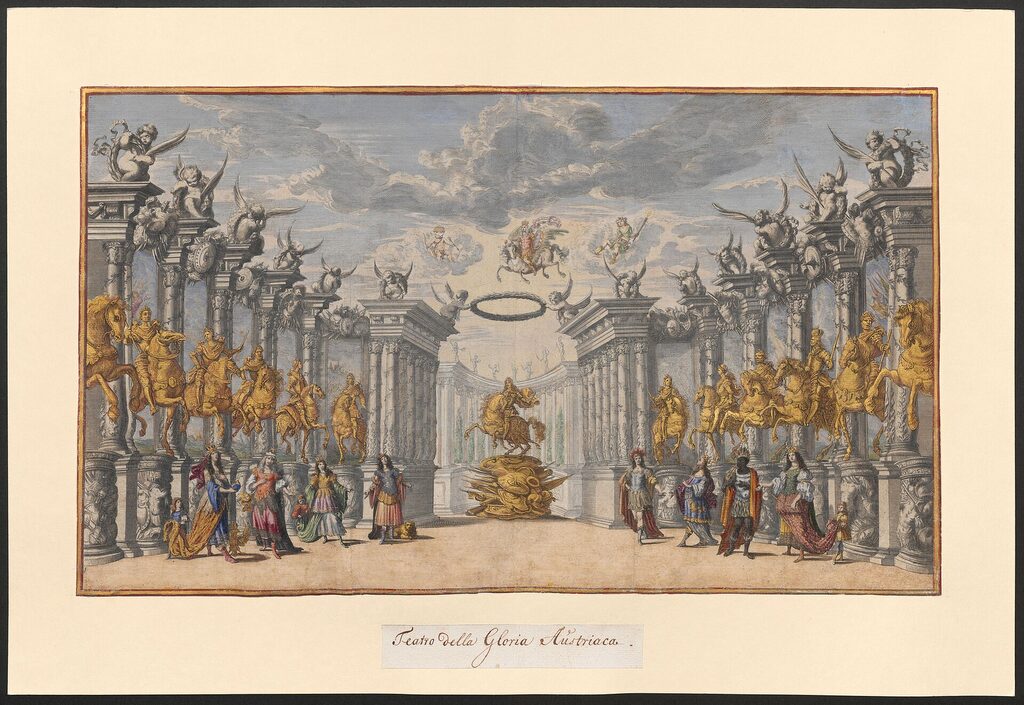
Imagine yourself at the imperial court in seventeenth-century Vienna, with the rare privilege of attending a spectacular and magnificent event: a theatrical celebration in five acts with a prologue, lasting more than ten hours, performed by more than forty different characters—not to mention the dancers and extras—featuring spectacular stage machinery, and presented over two days in an open-air theatre built especially for the occasion. It was something utterly unimaginable at the time, originally conceived for the wedding celebrations of Emperor Leopold I and Margaret Theresa of Spain in 1667, but ultimately staged two years later, on July 13 and 14, 1668, to mark the young Empress’s birthday. The fortunate guests at the Austrian court must surely have been left speechless by this colossal spectacle, and thus Antonio Cesti’s Il pomo d’oro, to a libretto by Francesco Sbarra, became a legendary example of magnificent artistic patronage. An opera that has never been performed again to this day, and for good reason. To mark the 50th anniversary of the Innsbrucker Festwochen der Alten Musik, Ottavio Dantone and his Accademia Bizantina are attempting the impossible by bringing it back to the stage this summer. On this occasion, the Festival’s Artistic Director spoke with Total Baroque Magazine.
You have been the Musical Director of the Innsbruck Festival of Early Music since 2024. How did the idea of reviving Antonio Cesti’s Il pomo d’oro come about?
Ottavio Dantone: When I was offered this position, I immediately thought it would be an incredibly important opportunity for my ensemble, Accademia Bizantina. I don’t mean in terms of visibility, but because both the Festival and its audience are accustomed to the research and presentation of works, even little-known ones, and because it’s the perfect place to experiment, discover new works, and introduce people to new music—the kind that’s still abundant in archives and libraries and is absolutely magnificent. The first thing I thought of was highlighting research into the musicians who were active at the Viennese court between the seventeenth and eighteenth centuries. I am thinking of very important composers such as Bononcini, Caldara, and Giacomelli himself, with whom I began in my first year, all of whom were highly renowned in their own time, but whose music is rarely heard today. I immediately realized that this festival would give us the opportunity to delve deeper into the music of composers I already knew, but whose works I had never had the chance to perform and stage. Innsbruck is the perfect place for research, a true laboratory.
Such fertile ground that, for the Festival’s fiftieth anniversary, you will dare…
O. D.: The impossible… to stage Antonio Cesti’s legendary Il pomo d’oro.
…which has never been performed again since the 1668 performances?
O. D.: Indeed. At the time, after a performance that lasted two days, it was considered the greatest spectacle ever seen in the history of music. What we know is that there were a huge number of musicians and extremely sophisticated stage machines. The opera itself lasted more than ten hours, not including the ballets and other entertainments associated with it, as was customary at the time. We must also bear in mind that celebrations surrounding patronal feasts and coronations lasted several weeks, so that in itself was not unusual. What is truly astonishing is the sheer duration and scale of the score. When we discussed what would be the most appropriate work to perform for the Festival’s fiftieth anniversary, I immediately thought of Cesti, the composer most closely associated with the city of Innsbruck, where he was active, though not specifically Il pomo d’oro. At first, I had been thinking of La magnanimità di Alessandro and other works. Honestly, when I first suggested staging Il pomo d’oro to my colleague, Artistic Director Eva-Maria Sens, I did not know that two acts of the opera—the third and the fifth—were missing, although I did know that no one had ever staged it. Swept up in the enthusiasm, she immediately said, “Let’s do it!” But we soon discovered that two acts were missing. So I said to myself, “Let’s reconstruct them.” However, I did not want to undertake an arbitrary or self-congratulatory exercise, and it certainly never crossed my mind to compose the missing music myself. Instead, I obtained the scores of Cesti’s most famous operas, including La Dori, from which I borrowed certain elements, since we had performed it a few years earlier, before I became the Festival’s Musical Director.
Passionate about early music and want to read this subscriber-only article?
If you are not a subscriber, join the international Total Baroque community. Subscribe here from 5.00€.
I subscribe
If you are already a subscriber, sign in.
I sign in 

You must be logged in to be able to post comments.
Sign in