


 A previously unknown portrait of Vivaldi has resurfaced in a private collection. By tracing its provenance, Federico Maria Sardelli, editor of the composer’s catalogue of works and author of “Il volto di Vivaldi” (2021), uncovered several versions of the same young violinist — and an unexpected lead: behind them may lie a lost original by the Italian painter Piazzetta. Presented in Florence this autumn, these discoveries reshape an iconography long thought to be well established. Three centuries on, the face of the “Red Priest” is still yielding surprises.
  By
By 


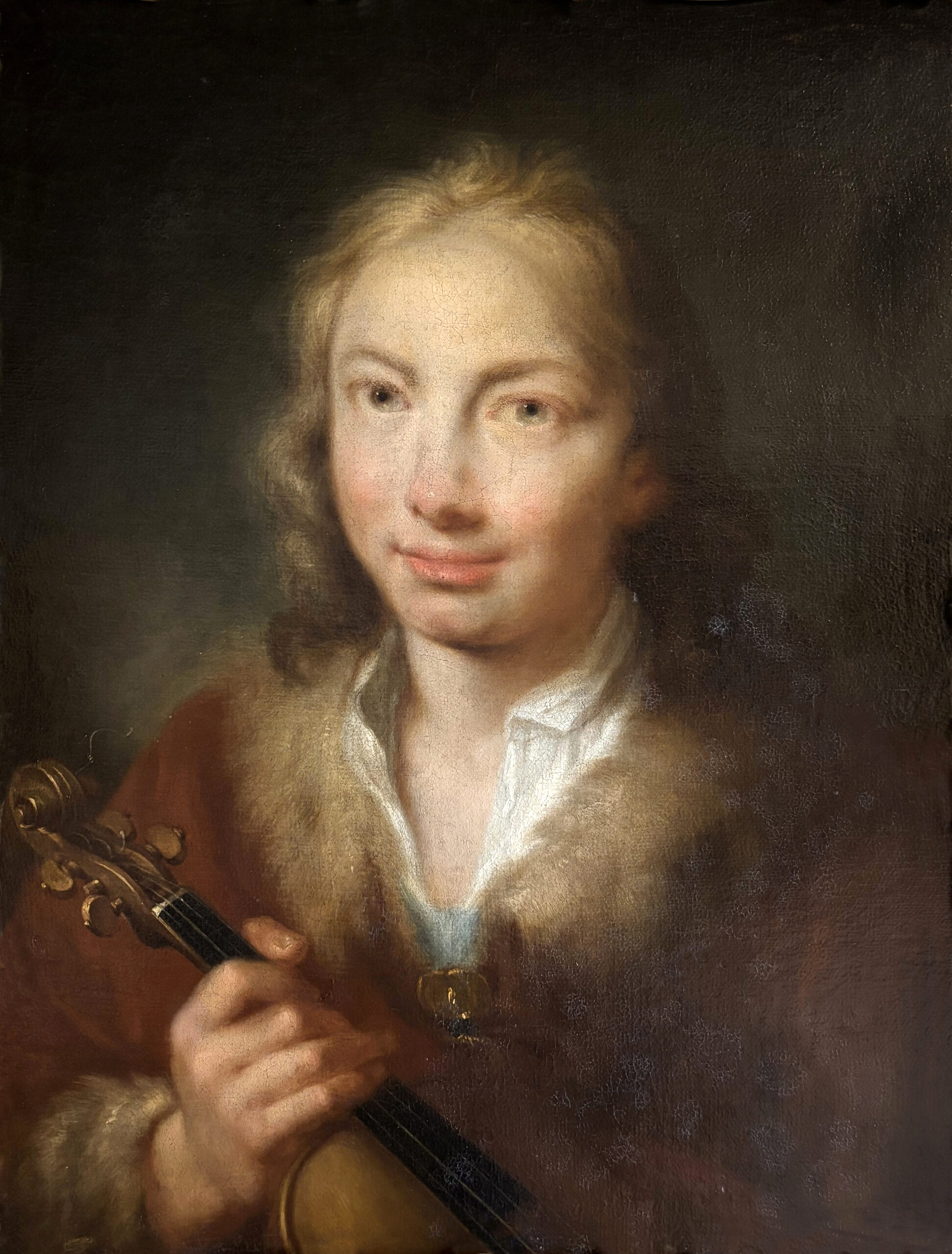
Conductor, composer, painter, and author Federico Maria Sardelli is also the head of the catalogue of Antonio Vivaldi’s works. He had already devoted the book Il volto di Vivaldi (The Face of Vivaldi), published by Sellerio in 2021, to the iconography of the celebrated Venetian musician. In this book, Sardelli distinguished authentic portraits from false attributions and placed them within the biography of the “Red Priest.” In early 2026, an unexpected message from a collector prompted him to resume his research. Moving from one painting to the next, he uncovered several versions of the same portrait of a young Vivaldi, eventually leading him to hypothesise the existence of a now-lost original. Presented publicly in Florence, these new discoveries extend an iconographic investigation he has been pursuing for several years. In this interview, Federico Maria Sardelli recounts, step by step, the path that led him to these portraits and the questions they continue to raise.
How did the existence of this new portrait of Vivaldi come to light?
Federico Maria Sardelli: Eight months ago, a collector of string instruments and antique mandolins contacted me to say that he owned a portrait of Vivaldi that no one had ever seen before. It was a real bolt from the blue. I had studied Vivaldi’s iconography in depth in order to dispel misconceptions that had circulated in the past, such as incorrectly attributed or de-attributed portraits. In my book Il volto di Vivaldi, I had reviewed everything that was known, and I thought the chapter was closed. So I admit I was rather sceptical. I asked the collector for a photograph of the painting, but instead he sent me a copy of the certificate of authenticity! When I read the document, I was speechless, because it stated that the portrait came from a place closely connected with the rediscovery of Vivaldi’s musical collection in the early twentieth century: those lost manuscripts that resurfaced in 1925 in Occimiano, a small town in the province of Alessandria, in the heart of Monferrato, Piedmont.
What did this certificate of authenticity say?
F. M. S.: The document stated that the painting had been purchased in 1924 at the villa of the Durazzo marquises by Leandro Bisiach, a great luthier who was also a composer, and that it belonged to his children, who inherited it after his death before selling it to the collector who contacted me. So the Durazzo family name and the place where the sale occurred were the most important clues demonstrating that this was indeed a portrait of Vivaldi. Marquis Marcello Durazzo, in fact, owned hundreds of Vivaldi manuscripts, which he had bequeathed to the Salesian Fathers of Borgo di San Martino, a few kilometres from Occimiano; this portrait therefore came from the marquis’s private collection, which was the final link in a chain of inheritances originating from the Vivaldi household and passing from hand to hand until 1923 in the Monferrato region. This document therefore revealed to me that, in addition to the musical manuscripts, a portrait of the composer had also been preserved. The painting was subsequently purchased by the luthier Bisiach along with two violins believed to have belonged to Vivaldi. The violins have disappeared without trace, but fortunately the painting has resurfaced.
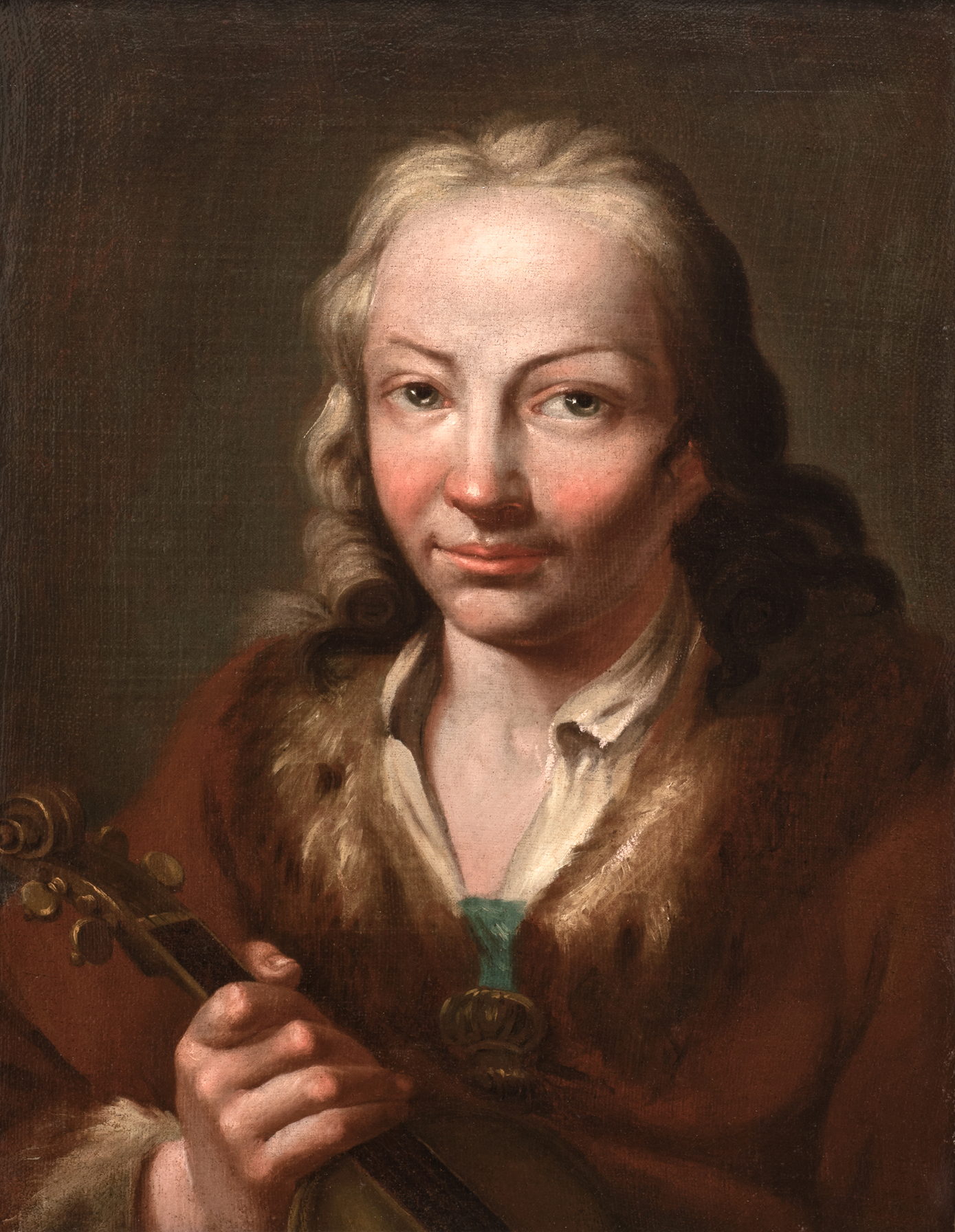
The provenance is extraordinary—you couldn’t invent a story like this… The Bisiach brothers wrote this in 1984, when they sold the painting to its current owner, who, after sending me the certificate, finally sent me photographs of the front and back of the canvas. That dispelled any remaining doubts I might have had. I have to say that the portrait corresponds quite closely to the images we have of him, but it is extraordinarily new because it shows his natural hair, albeit greying, without a wig. He is shown holding his violin, and you can see that distinctive feature of his shirt collar open across his chest.
Passionate about early music and want to read this subscriber-only article?
If you are not a subscriber, join the international Total Baroque community. Subscribe here from 5.00€.
I subscribe
If you are already a subscriber, sign in.
I sign in 

You must be logged in to be able to post comments.
Sign in