



Articles
# TopicsAnniversary Baroque CD in four questions CD New Releases Early music festival Focus guests History interview music pictures of the Week Playlist of the week Portrait Presto Record of the month Records Report Video of the week Young talents
-
-
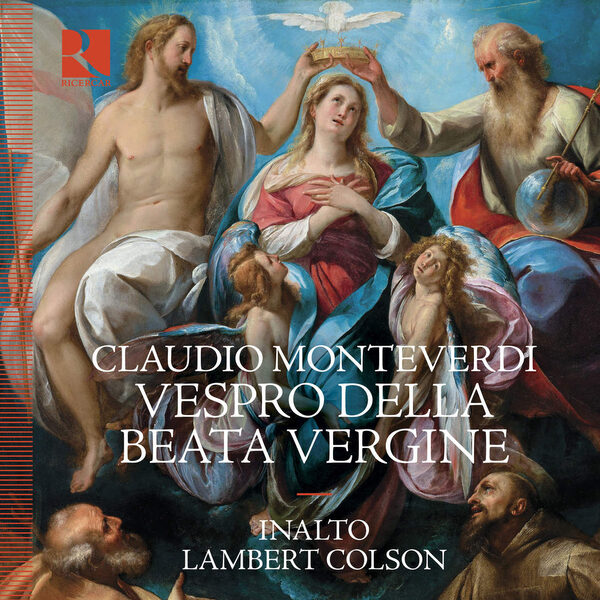 InAlto & Lambert Colson
Monteverdi: Vespro della beata Vergine
Over four centuries of performance, recording and reinterpretation, Monteverdi’s “Vespers” have accumulated traditions that have gradually transformed their character. With InAlto, Lambert Colson chooses to look back beyond that accumulated history: specific antiphons, reduced forces and a return to the pulse embedded in the score underpin a historically informed reconstruction of an Office for the Assumption within the context of 1610.
-
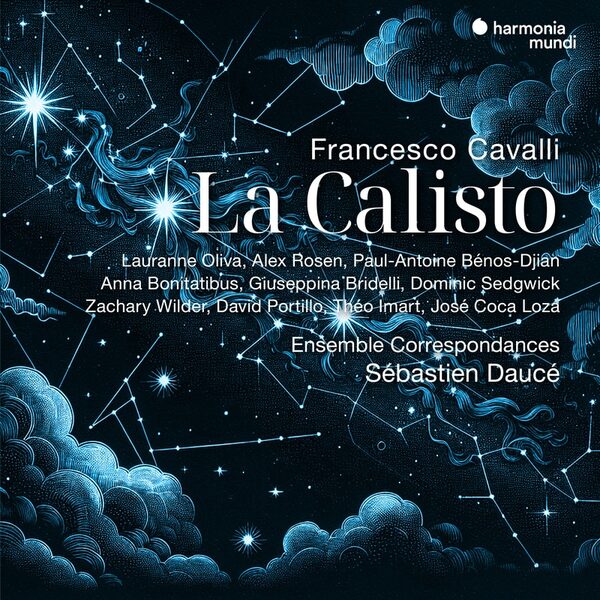 Ensemble Correspondances & Sébastien Daucé
Venetian splendour on an Aix scale
By transforming a chamber drama into a sumptuous fresco, Sébastien Daucé and his forces restore to Cavalli’s “La Calisto” the breadth of a larger canvas. A generous reinterpretation captured at the Festival d’Aix-en-Provence in France.
-
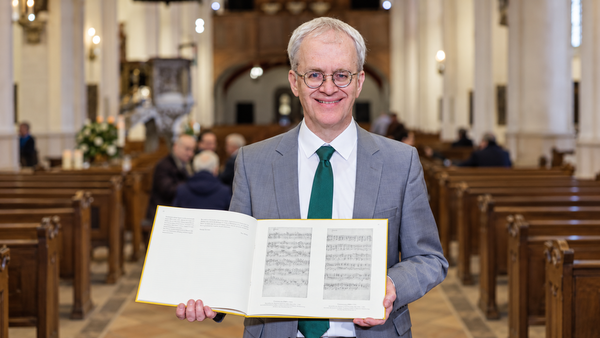 Peter Wollny – Leipzig Bach Archive (1/2)
Bach or Not Bach: That Is the Question!
What is there still to discover about Johann Sebastian Bach? At the Bach Archive in Leipzig, Peter Wollny has spent more than thirty years tracking down manuscripts, watermarks, copyists and all manner of musical clues. For the institution’s director, authenticating a score is a genuine investigation, in which doubt matters as much as intuition and the smallest detail can reopen a case thought to be closed. Just a few months ago, two further discoveries offered another reminder that, nearly three centuries after Bach’s death, his music and its transmission can still hold surprises.
-


-
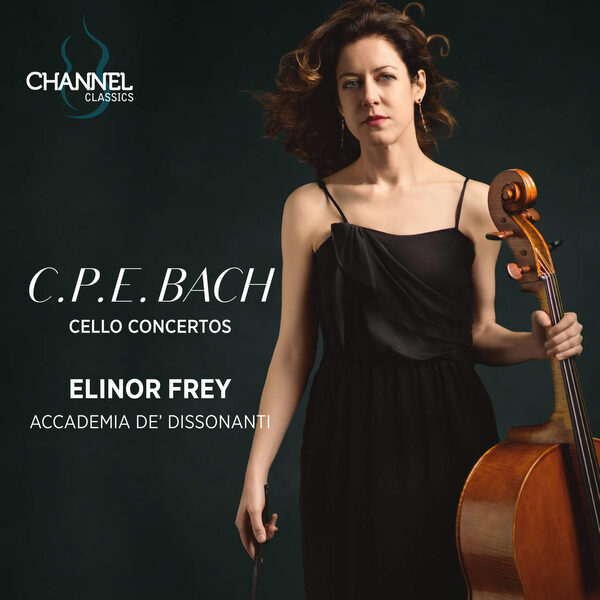 Elinor Frey & Accademia de’ Dissonanti
C. P. E. Bach: Cello Concertos
How might an eighteenth-century cellist have played Carl Philipp Emanuel Bach’s concertos? For Elinor Frey, the answer does not lie in the score alone. Ornamentation, varied repeats, cadenzas and the freedom afforded to the soloist shape a reading of the three concertos in which the performer recovers some of the inventiveness then expected of a virtuoso.
-
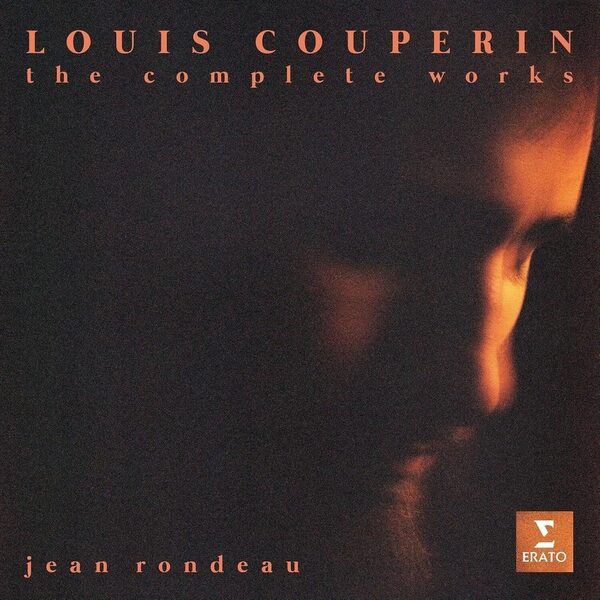 Jean Rondeau
Louis Couperin: The Complete Works
Long overshadowed by his nephew François, Louis Couperin here becomes the centre of an entire world. Ten CDs, five harpsichords, two organs and twelve hours of music make up the first complete recording to encompass all of his known works, including the pieces for small ensemble. A monumental undertaking, but also a deeply personal one: Couperin was the first composer Jean Rondeau encountered at the harpsichord, at the age of six.
-
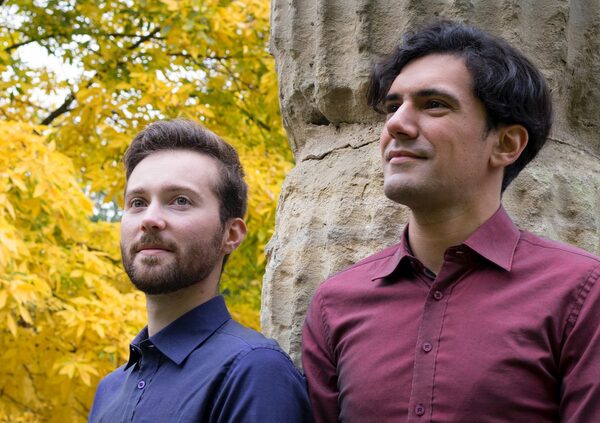 Young Talents
Les Trouveurs: Singing the Middle Ages A Cappella
Two voices, no instruments: French duo Les Trouveurs have made this sparseness a defining principle. In Paris or Utrecht, from Navarre to Poland, Mathias Lunghi and Camile Macinenti show that medieval troubadour songs need little more than a story to recover their power to fascinate.
-

-
-
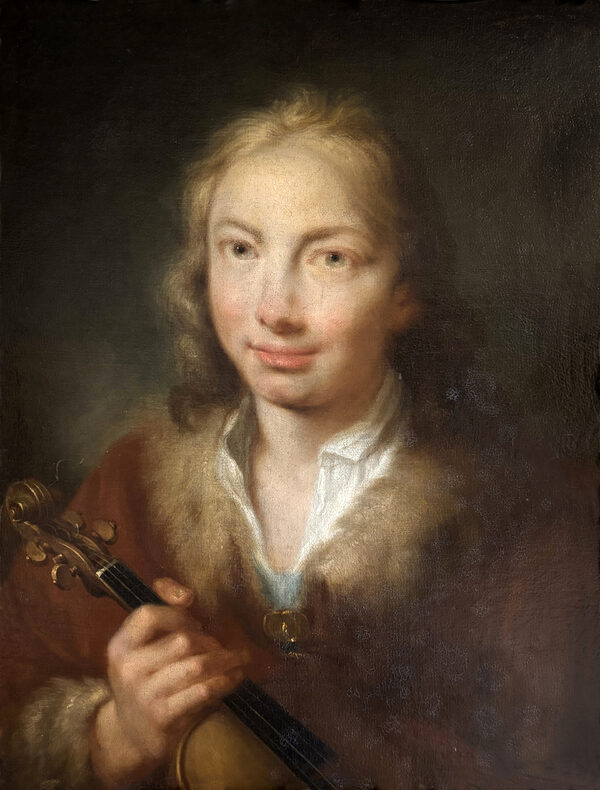
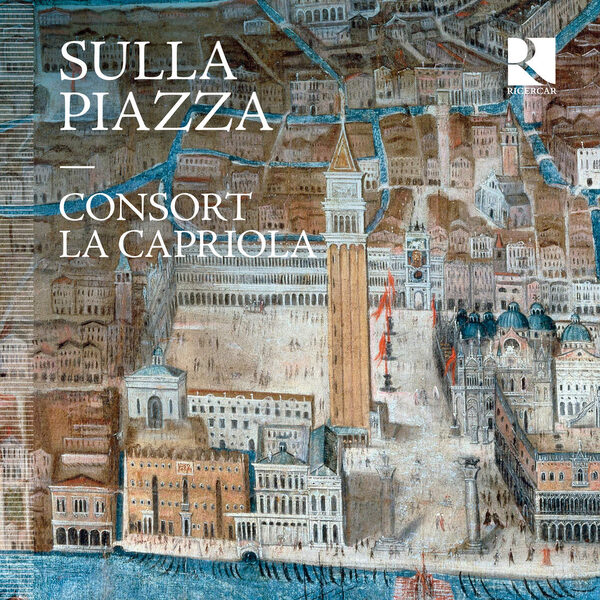 La Capriola
Sulla Piazza
What might life have been like for a violin consort in sixteenth-century Venice? For its debut album, La Capriola imagines an evening around St Mark’s Square, from the basilica to the palaces and then on to the taverns. Willaert, Rore, Gabrieli and Bendusi punctuate a journey in which sacred music, madrigals, dances and songs reveal the many faces of what was still a relatively new instrument.
-
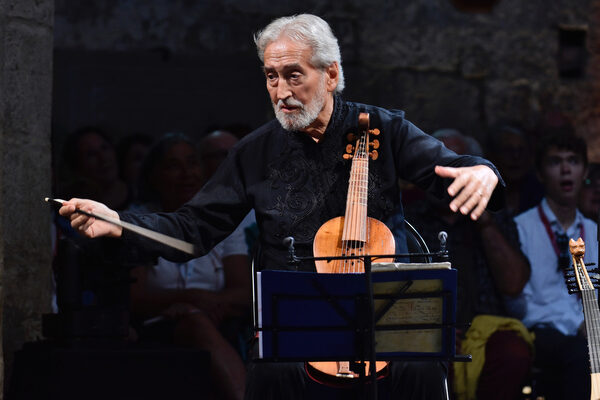 Launching AEVUM: Streaming, Reimagined
Jordi Savall: Choosing Independence, Once Again
At 85, Jordi Savall shows little inclination to slow down. After transforming the way we listen to early music, creating his own ensembles and his own label, the Catalan viol player and conductor is now embarking on a new adventure: the creation of AEVUM, a digital platform designed to return to musicians some of the value that streaming has taken away from them. A new fight for independence—and an opportunity to look back with him on sixty years of music.
