


# TopicsAnniversary Baroque CD New Releases Early music festival Focus guests Heritage History interview music pictures of the Week Playlist of the week Portrait Presto Record of the month Records Report Video of the week Young talents

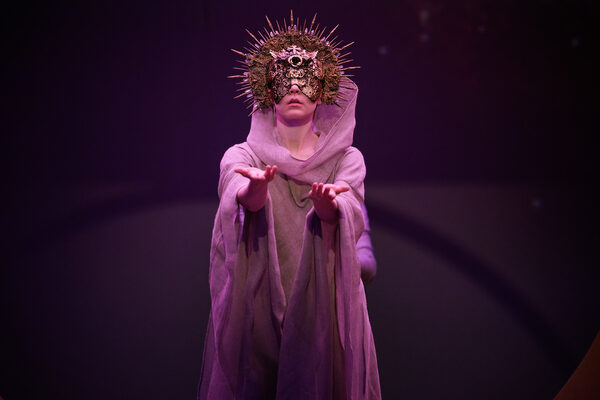
From medieval mysticism to contemporary opera, Hildegard von Bingen has never ceased to fascinate. With “Hildegard”, her first opera, American composer Sarah Kirkland Snider brings together visions, illness, faith, desire, and artistic creation to revive Hildegard von Bingen, one of the most remarkable figures of the European Middle Ages. “Hildegard” will be performed on July 31 at the Aspen Music Festival in Colorado.
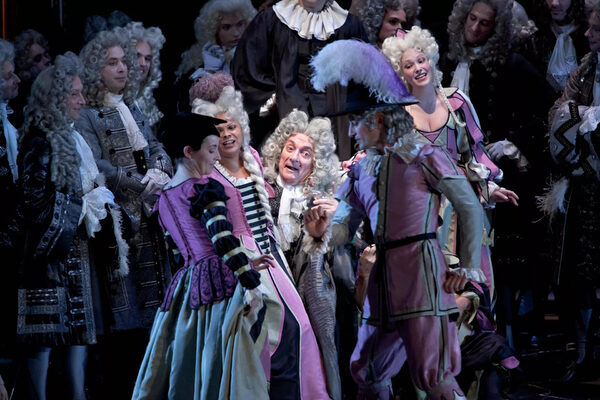
There was a time when the operas of Lully and Rameau were little more than names in history books. Having disappeared from the stage since the beginning of the 19th century, they seemed destined for a purely musicological existence. Yet, beginning in the early 20th century, a succession of initiatives, rediscoveries, and artistic leaps of faith gradually brought this repertoire back to life. It was a slow, uneven, yet spectacular revival that permanently transformed the French operatic landscape.

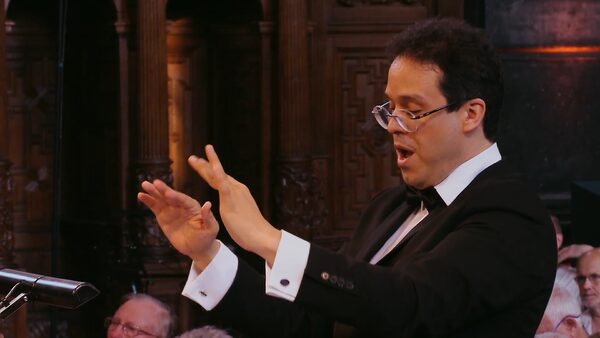
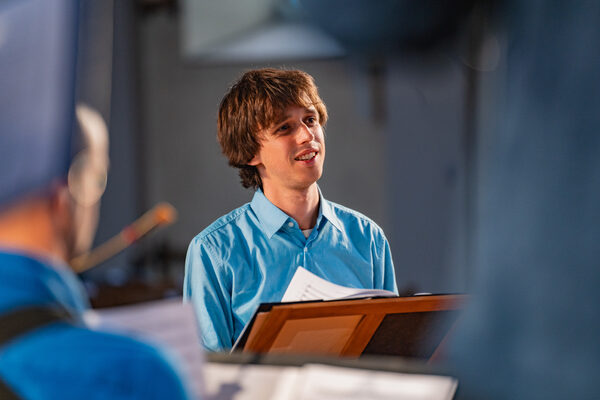
Founder of Musica Gloria, a baroque ensemble born out of his early years of training, Belgian flutist and harpsichordist Beniamino Paganini, 31, has cultivated an intimate and devoted approach to music since discovering Monteverdi in Bruges at the age of 7.

In “Spiritillo Mediterraneo”, Spanish violinist Cristina Prats Costa follows in the footsteps of a lively, mischievous little Baroque sprite, taking her violin on a journey through Mediterranean ports, courtyards, and intertwined traditions. From Falconieri to Vivaldi, from Matteis to the Spanish dances of Sanz, Murcia, and Nebra, her first solo album transforms the Mediterranean into a theatre of invention, where ornamentation becomes storytelling.

Having long triumphed on European stages, Baroque opera almost entirely disappeared during the 19th century, before re-emerging in the 20th from the libraries where its manuscripts had lain dormant. From forgotten heritage, it has become, in the 21st century, a space for artistic creation. A look back at this revival in three parts. First stop: Germany, with the gradual rediscovery of Handel from the 1920s onwards, centred on the Göttingen Handel Festival, often presented for this reason as the oldest Baroque music festival in the world.

The first opera to be streamed by our magazine this summer, Handel’s “Arminio” revives one of the composer’s rarest titles in a sumptuous production from the Karlsruhe Handel Festival. Conducted by George Petrou, the staging is by Max Emanuel Cenčić, who also sings the title role: a hero caught between political loyalty, family conflict and resistance to Rome.
