


 In 2026, Giovanni Legrenzi would have turned 400. A major figure in seventeenth-century Italian music, admired in his day before largely disappearing from the repertoire, he occupies a pivotal place between Monteverdi’s legacy and the Venetian Baroque that would lead to Vivaldi. In Clusone, Legrenzi’s birthplace near Bergamo, the Musica Mirabilis Festival is celebrating him through October 24 with nine concerts, an international conference, and several rediscoveries.
  By
By 


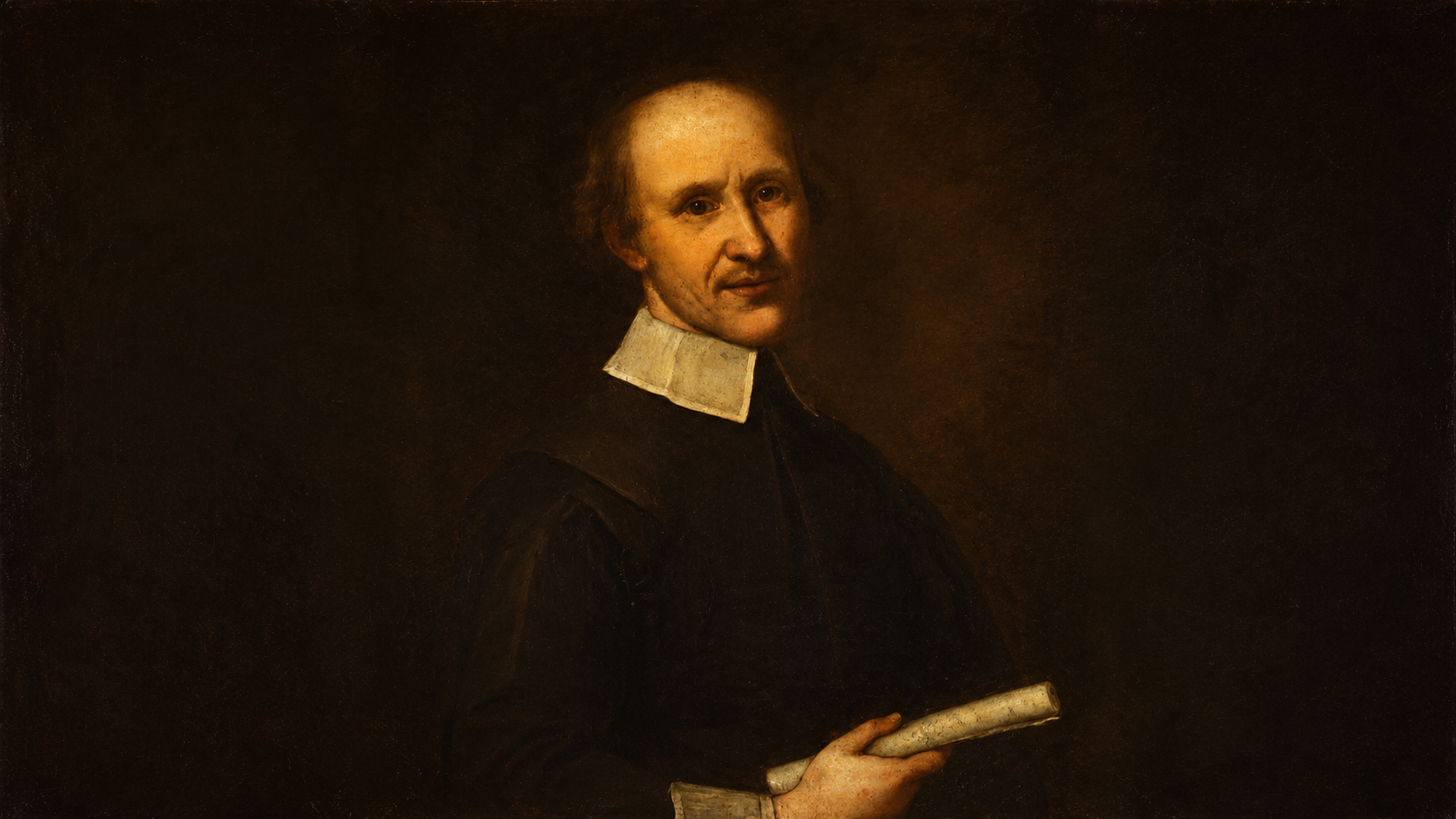
Born in Clusone in 1626, Giovanni Legrenzi is considered one of the most influential composers of the second half of the Italian Seicento. An organist, chapel master, and composer of operas, oratorios, sacred music, and instrumental music, his career took him from Bergamo to Ferrara and then to Venice, where he eventually became the director of the prestigious Cappella Marciana at St. Mark’s Basilica in 1685. Yet his name remains far less familiar today than those of Monteverdi, Cavalli, or Vivaldi. The 400th anniversary of his birth offers an opportunity to assess what Venetian Baroque owes to him.
The son of Giovanni Maria Legrenzi, a violinist employed in Clusone, he most likely received his first lessons from his father. Between 1639 and 1643, he attended the Accademia Mariana in Bergamo, where future clergymen received, among other things, a solid musical education. In 1645, he became organist at Santa Maria Maggiore in Bergamo, whose musical chapel was then undergoing a genuine revival following the difficulties caused by the plague of 1630. Ordained a priest in 1651, Legrenzi simultaneously pursued his career as a musician.
His first publications appeared in the mid-1650s: the Concerti per uso di chiesa, Op. 1, in 1654, followed by the Sonate a due e tre, Op. 2, the following year. These two strands—sacred and instrumental—would remain central to his work throughout his career. In his collections of sonatas, Legrenzi contributed to the emergence of a more autonomous instrumental language, in which alternating movements, contrasts of character, and a taste for counterpoint foreshadowed some of the developments that would emerge toward the end of the century.
In 1656, Legrenzi became chapel master of the Accademia dello Spirito Santo in Ferrara. The position introduced him to a highly active aristocratic milieu and opened the doors of the theatre to him. Achille in Sciro was premiered in Ferrara in 1663 before being revived the following year at Venice’s Teatro San Salvatore. Legrenzi thus entered one of Europe’s most dynamic operatic worlds: since the opening of the Teatro San Cassiano in 1637, Venetian public opera had established itself as a laboratory where composers, singers, librettists, stage machinists, and theatrical impresarios came together.

Passionate about early music and want to read this subscriber-only article?
If you are not a subscriber, join the international Total Baroque community. Subscribe here from 5.00€.
I subscribe
If you are already a subscriber, sign in.
I sign in 
You must be logged in to be able to post comments.
Sign in