



Articles
# TopicsAnniversary Baroque CD in four questions CD New Releases Early music festival Focus guests Heritage History interview music pictures of the Week Playlist of the week Portrait Presto Records Report Video of the week Young talents
-
-
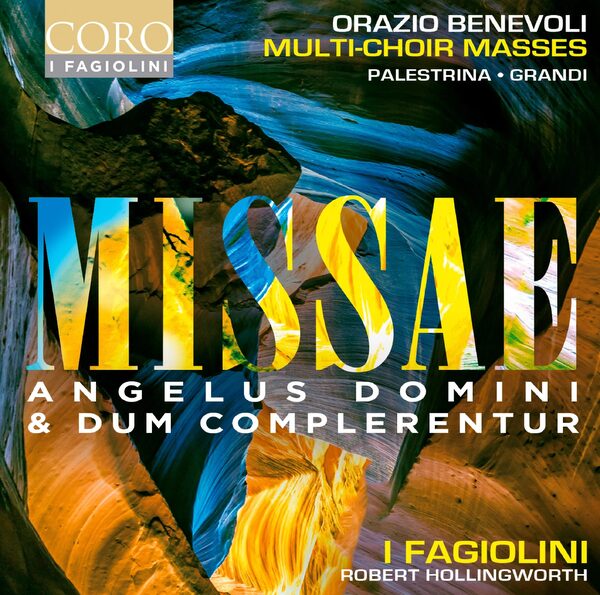 I Fagiolini & Robert Hollingworth
Benevoli: Missa Angelus Domini / Missa Dum complerentur
After the “Missa Tu es Petrus” in 2023 and the “Missa Benevola” in 2024, I Fagiolini and Robert Hollingworth bring their wide-ranging rediscovery of Orazio Benevoli, master of the spectacular Roman polychoral style of the seventeenth century, to a close with this third album. Two further world-premiere recordings, for three and four choirs respectively, on a release already shortlisted for the 2026 Gramophone Awards.
-
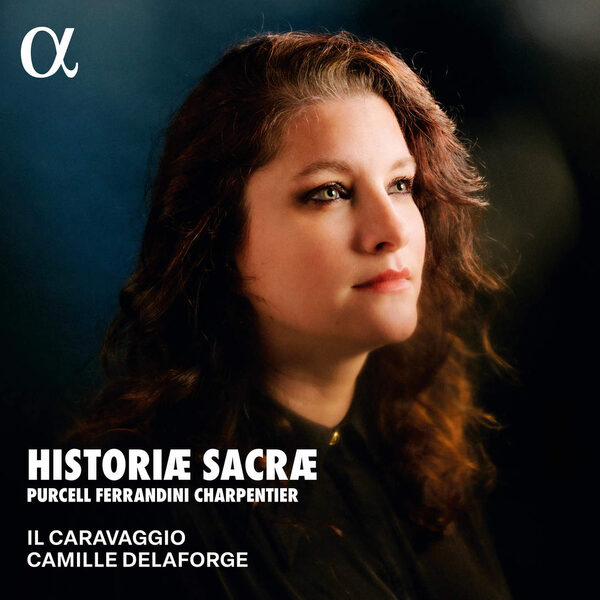 Il Caravaggio & Camille Delaforge
Historiæ Sacræ
Three sacred narratives, three figures confronted with absence: through Purcell, Ferrandini and Charpentier, Camille Delaforge and Il Caravaggio explore fear, doubt and solitude in their most deeply human forms. An album shaped by a ‘theatre of abandonment’ as spare as it is intense.
-
 Gli Angeli Genève & Stephan MacLeod
Manchicourt: Missa Veni Sancte Spiritus
Little known today, Pierre de Manchicourt was nevertheless one of the leading polyphonists of the 16th century. Thirty years after recording his music with Paul Van Nevel, Stephan MacLeod returns to Manchicourt with Gli Angeli Genève in an album conceived as both a rediscovery and a tribute.
-
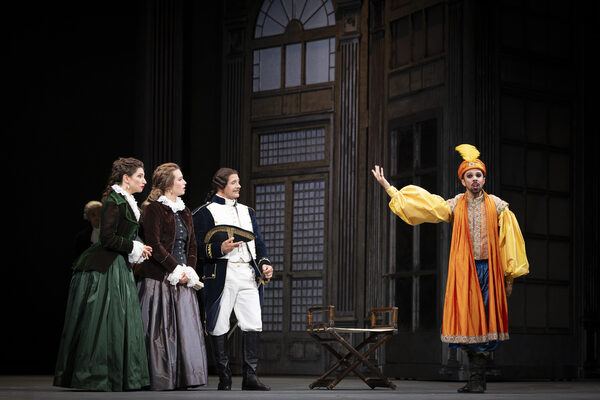
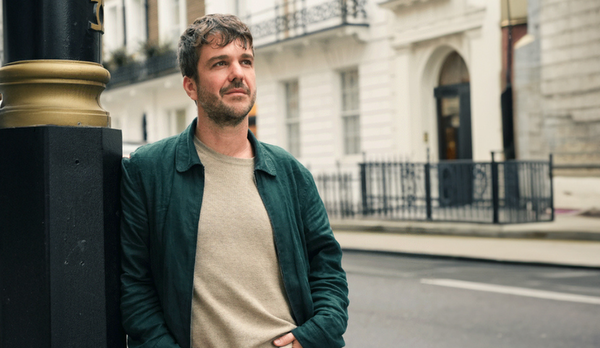 10th Anniversary of Jorge Losana’s Ensemble (Spain)
Cantoría: From Renaissance Spain to New Horizons in Latin America
The Spanish vocal group Cantoría, founded and directed by Jorge Losana, celebrates its tenth anniversary this year. Now established as one of the leading ensembles for Iberian Renaissance and early Baroque vocal music, it continues to expand its presence in Europe and, gradually, in South America. Jorge Losana looks back on this evolution, just a few weeks before a concert at the Louvre Paris on October 7 which will inaugurate “Centuries of Gold and Shadow,” a series conceived in conjunction with the museum’s Zurbarán exhibition.
-
-


-
 Young Talents
False Consonance: Four Musicians, No Keyboard
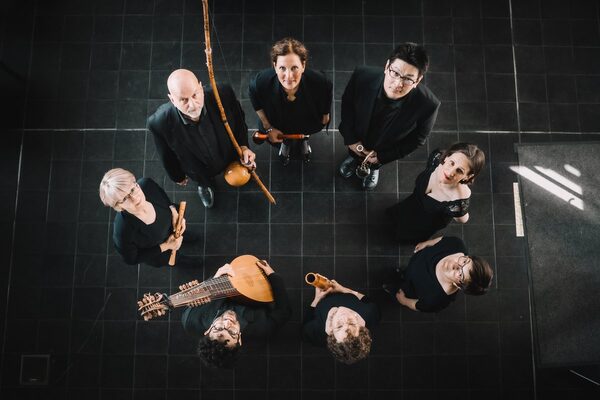
Founded in Bremen, northern Germany, in 2020, just as the pandemic brought European musical life to a standstill, False Consonance has made an unusual configuration its hallmark: four musicians, but no keyboard instrument to support the continuo. A constraint that has become a field for experimentation.
-
 Musica Mirabilis Festival (Italy)
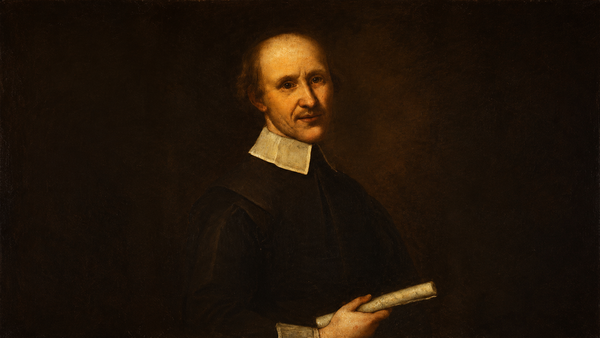
Legrenzi: The Missing Link Between Monteverdi and Vivaldi
In 2026, Giovanni Legrenzi would have turned 400. A major figure in seventeenth-century Italian music, admired in his day before largely disappearing from the repertoire, he occupies a pivotal place between Monteverdi’s legacy and the Venetian Baroque that would lead to Vivaldi. In Clusone, Legrenzi’s birthplace near Bergamo, the Musica Mirabilis Festival is celebrating him through October 24 with nine concerts, an international conference, and several rediscoveries.
-
 Concerto Scirocco
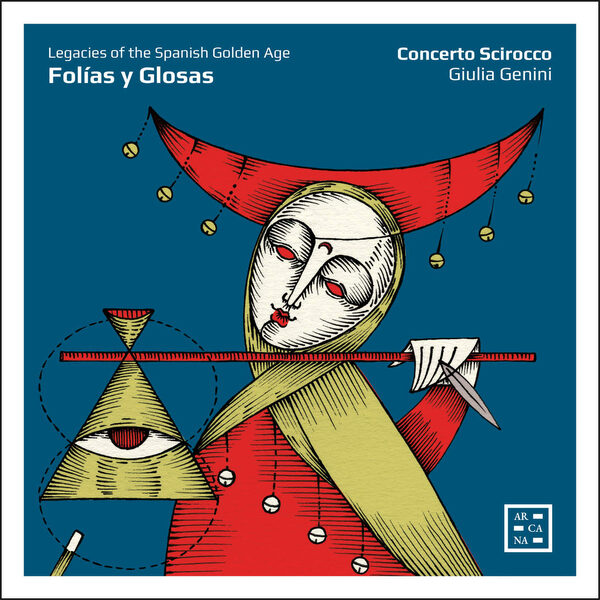
Folías y Glosas
With “Folías y Glosas”, Concerto Scirocco brings to life the instrumental world of sixteenth- and seventeenth-century Spain. From ministriles and dances to ostinato basses and improvised variations, Giulia Genini leads Cabezón, Ortiz, Falconieri and Praetorius through a programme in which forms travel, transform and constantly change colour.
-
 Les Épopées & Stéphane Fuget
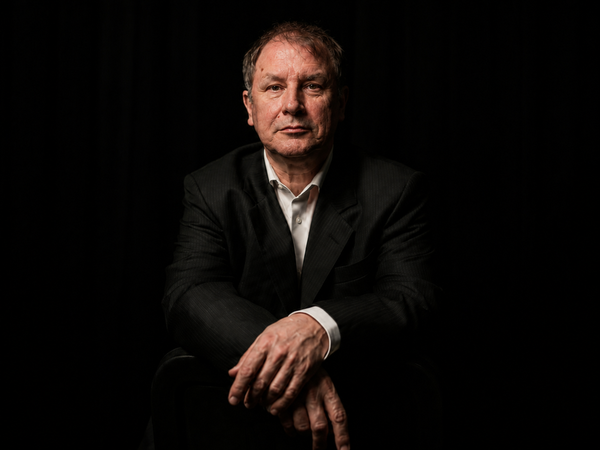
“Médée” on Tour: Bringing Charpentier Out of Lully’s Shadow
Marc-Antoine Charpentier’s “Médée”: In Lully’s Shadow? As he prepares to embark on a tour of France and Belgium for five concert performances of Charpentier’s only opera, Stéphane Fuget, music director of the ensemble Les Épopées, reflects on the work: it is time to stop viewing Charpentier solely through the lens of his powerful predecessor.
-
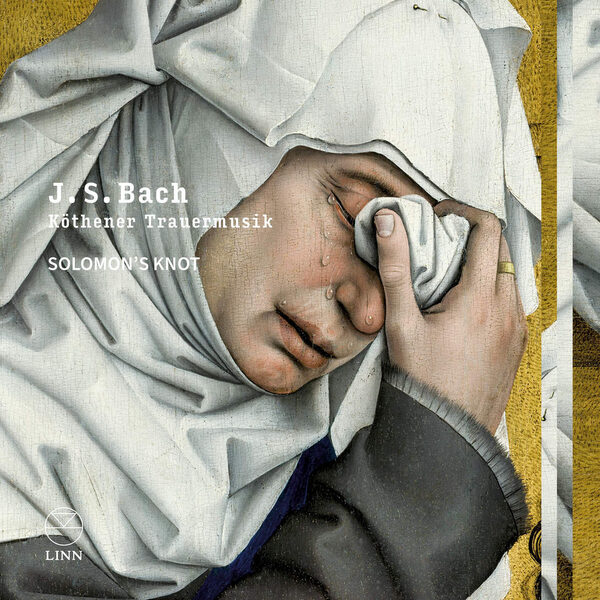 Solomon’s Knot
Bach: Köthener Trauermusik
The music of Bach’s “Köthener Trauermusik”, composed for the funeral of Prince Leopold of Anhalt-Köthen in 1729, has been lost, but the libretto and many details of the ceremony survive. Solomon’s Knot presents a new reconstruction by Chad Kelly, drawing in particular on the “St Matthew Passion” and the “Trauerode BWV 198”.
