


 At the Lyon Conservatoire in 2024, he was a lutenist. She was a mezzo-soprano looking for a musical partner. Two years later, Ariane Le Fournis and Pierre-Baptiste Brioude are bringing a joyful spirit of freedom to early music with their Duo Nysiak. Occitan songs, airs de cour, Baroque cabarets, and forgotten instruments: the two young French musicians love challenging conventions, making people laugh, and springing surprises. A portrait of a duo who prefer celebration to solemnity.
 By
 8 minutes


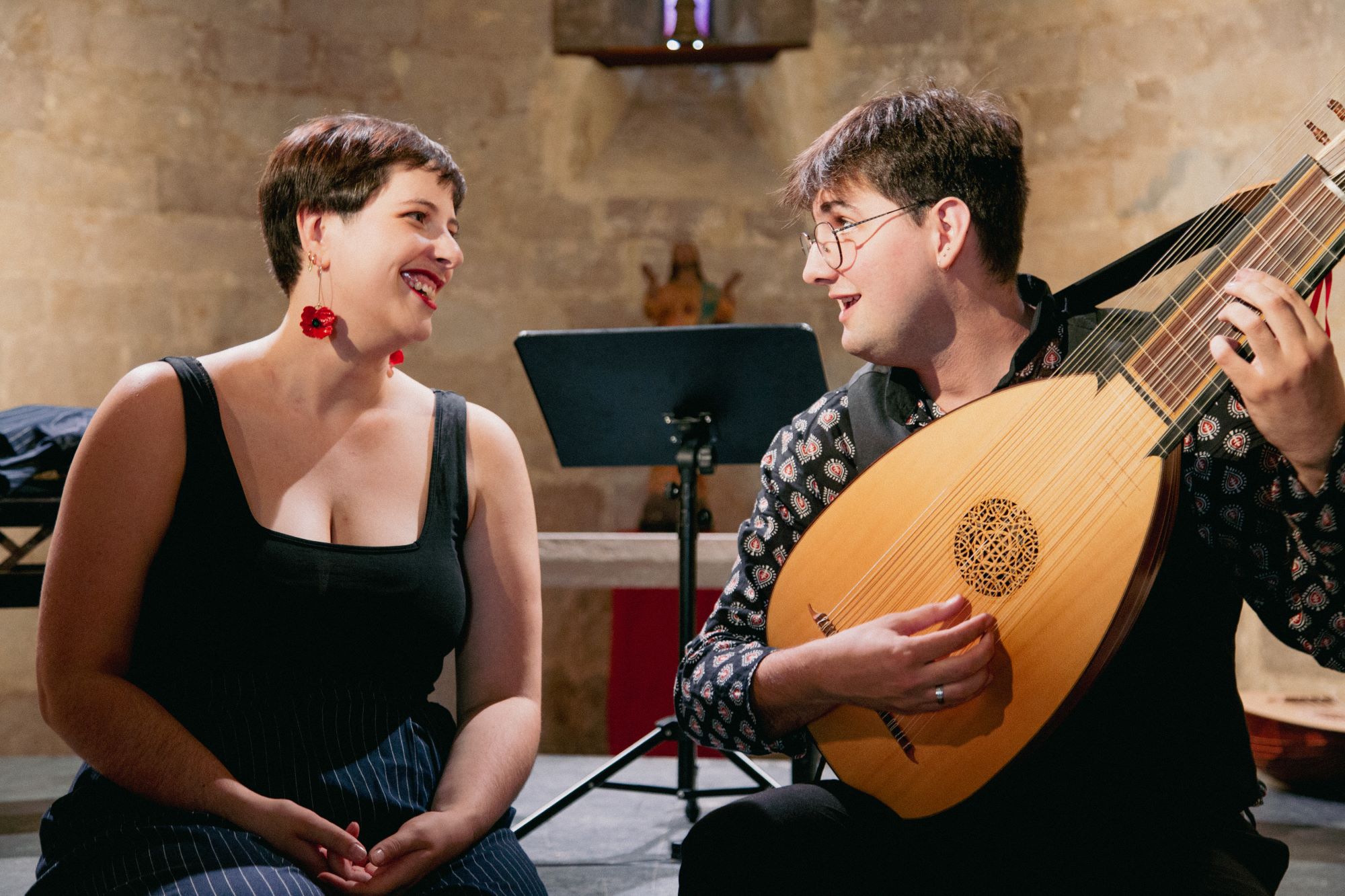
They could have chosen the conventional path in early music. But with their Duo Nysiak, French musicians Ariane Le Fournis (mezzo-soprano), 29, and Pierre-Baptiste Brioude (lutenist), 24, prefer to bring courtly airs into dialogue with Occitan songs, turn concerts into cabarets, and tell stories rather than simply play one piece after another. Born in 2024 out of a friendship at the Lyon Conservatoire (France), Duo Nysiak offers early music that is lively, intimate, and often mischievous. With concerts this autumn at the Utrecht and Ambronay festivals, the duo is enjoying its first successes in 2026. A portrait of two young artists who take their music seriously, but certainly not themselves.
A Duo Unlike Any Other
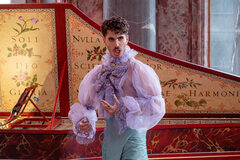
In the Monteverdi Hall at the Ambronay Festival in September 2026, two young musicians, a voice, a stringed instrument, and a few stories are all it takes to create a distinctive atmosphere. Ariane Le Fournis sings, while Pierre-Baptiste Brioude accompanies her on his period instruments. Both move with remarkable ease from French love poetry to Occitan songs, from the refinements of the air de cour to the more popular sounds of carnival.
But what stands out, beyond their musical rapport, is the way they address the audience. They tell stories, explain, joke, and then pick up the thread of the concert as though this conversation were a natural part of the music. “We feel that, precisely because these are rather unusual subjects—the Occitan texts, the use of the instruments, particularly the colachon—all of this really invites us to talk about them. Simply to introduce people to them, rather than necessarily to explain them.”
This desire for closeness is central to their very conception of a concert. “We speak directly to the audience. We also have a lot of fun disrupting things. It’s a form of connection.” A connection the two musicians establish with refreshing spontaneity, without a memorized script. “Of course, we think about what we’re going to say, but we’ve never written it down.”
Passionate about early music and want to read this subscriber-only article?
If you are not a subscriber, join the international Total Baroque community. Subscribe here from 5.00€.
I subscribe
If you are already a subscriber, sign in.
I sign in 

You must be logged in to be able to post comments.
Sign in