


 From Frankfurt to Pic Saint-Loup, this week’s early-music scene ranges from a forgotten Handel opera to Bach cantatas, and from Franco-English laments to Irini’s medieval polyphony. In La Rochelle, Dinan and among the ancient stonework of the Languedoc, festivals and ensembles bring repertoire, historic settings and a new generation of performers into dialogue.
 By
 3 minutes


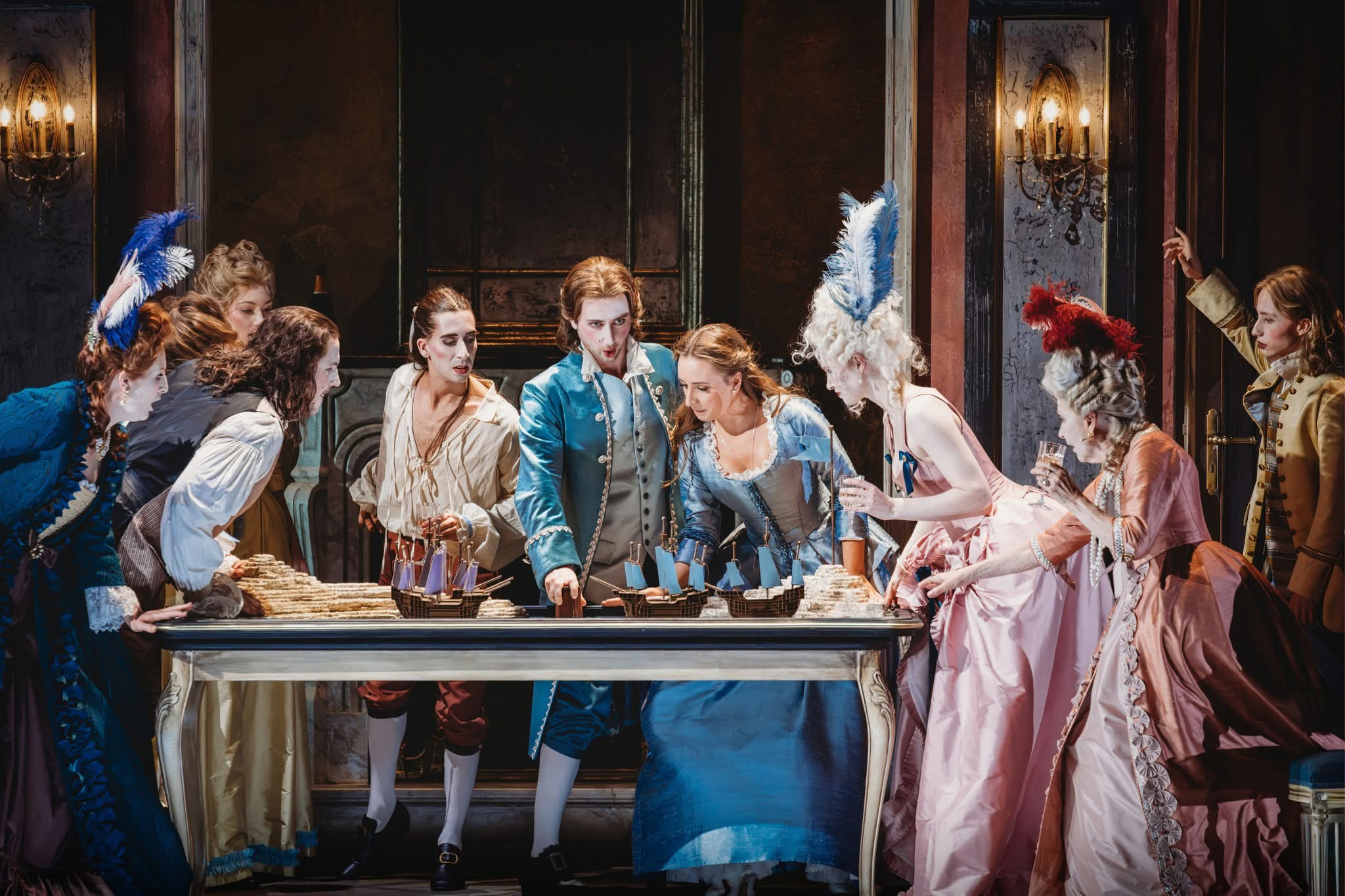
In Frankfurt (Germany), the return of Ottone, Handel’s forgotten hit
A welcome revival at Oper Frankfurt with a new production of Handel’s Ottone, rarely staged today despite a score rich in virtuosic arias and moments of great emotional intensity. Triumphantly received in London at its premiere in 1723, Ottone was, alongside Rinaldo, one of the composer’s most popular operas. In Frankfurt, Dutch director Jetske Mijnssen transposes the story to the decadent atmosphere of a palace where passions run high. Choreography is by Dustin Klein, with dramaturgy by Mareike Wink. Performances continue until 21 November 2026.
With Yuriy Mynenko, Monika Buczkowska-Ward, Paula Murrihy, Iurii Iushkevich, Cecelia Hall, Jonas Müller and Václav Luks.
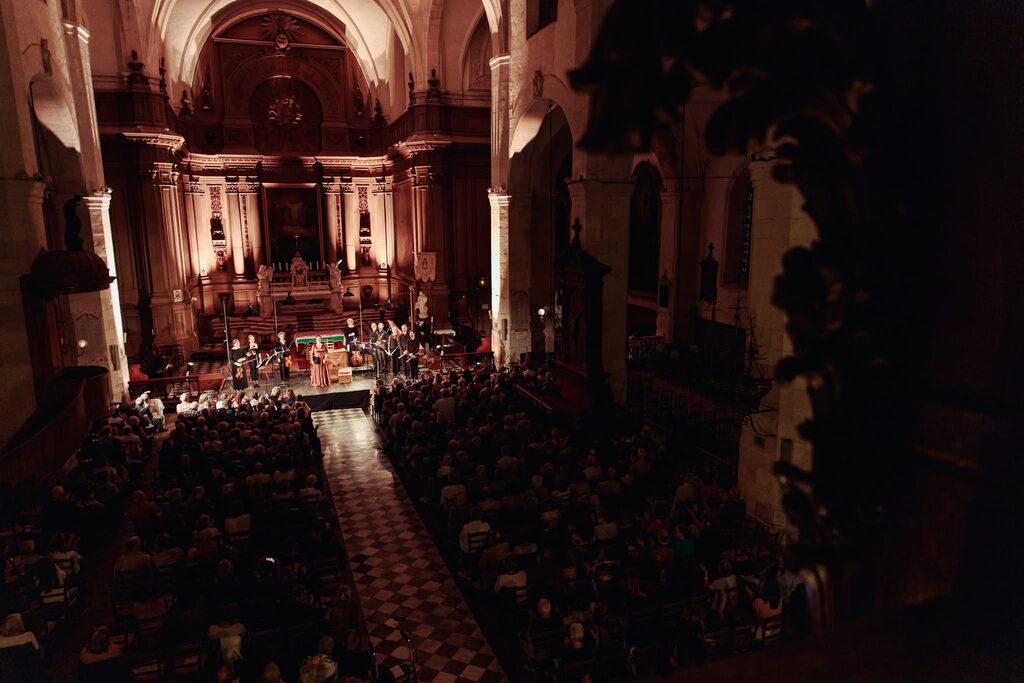
In La Rochelle (France), Bach and Lucile Richardot mark a double anniversary
A double anniversary in La Rochelle: both Il Convito and the MM Festival, founded in 2016 by harpsichordist and organist Maude Gratton, were celebrating their tenth birthdays. Bach took centre stage for this festive edition, with cantatas for solo alto and organ performed in two anniversary concerts at the Protestant Temple and the Church of Saint-Sauveur in La Rochelle.
Alongside the musicians of Il Convito, mezzo-soprano Lucile Richardot, appearing at the festival for the first time, performed Cantatas BWV 35, 54, 169 and 170, in which the voice enters into dialogue with a particularly virtuosic concertante organ part, played by Maude Gratton. A concerto for three oboes by Telemann completed the programme.
With Lucile Richardot, Il Convito and Maude Gratton.
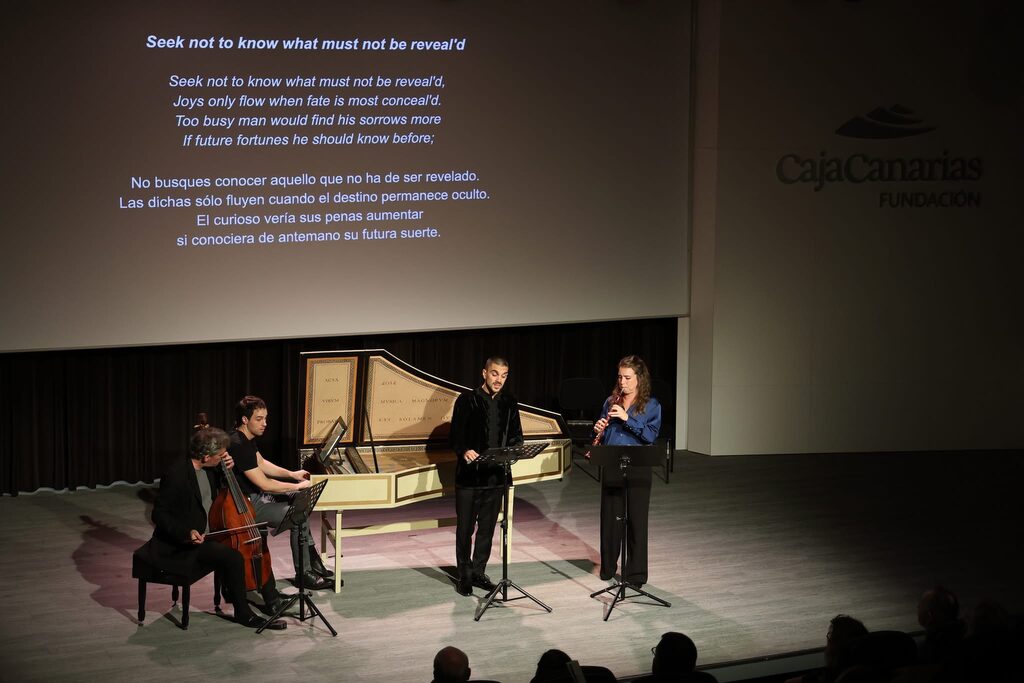
In Santa Cruz de Tenerife (Spain), El Gran Teatro del Mundo explores the art of lament
How can Baroque music express pain, mourning and the loss of a loved one? This exploration of emotion was at the heart of the programme that El Gran Teatro del Mundo, directed by Julio Caballero Pérez, presented to audiences in Santa Cruz de Tenerife, in the Canary Islands, as part of Fundación CajaCanarias’s early-music series.
Entitled The Plaint, the programme brought French and English traditions of the 17th and 18th centuries into dialogue. With Portuguese tenor Rodrigo Carreto, the ensemble performed, among other works, Charpentier’s three airs on stanzas from Le Cid, a lament from Lully’s Amadis, and music by Purcell and Eccles. Instrumental works by Campra, Marais and Clérambault completed the musical journey.
With Rodrigo Carreto, El Gran Teatro del Mundo and Julio Caballero Pérez.
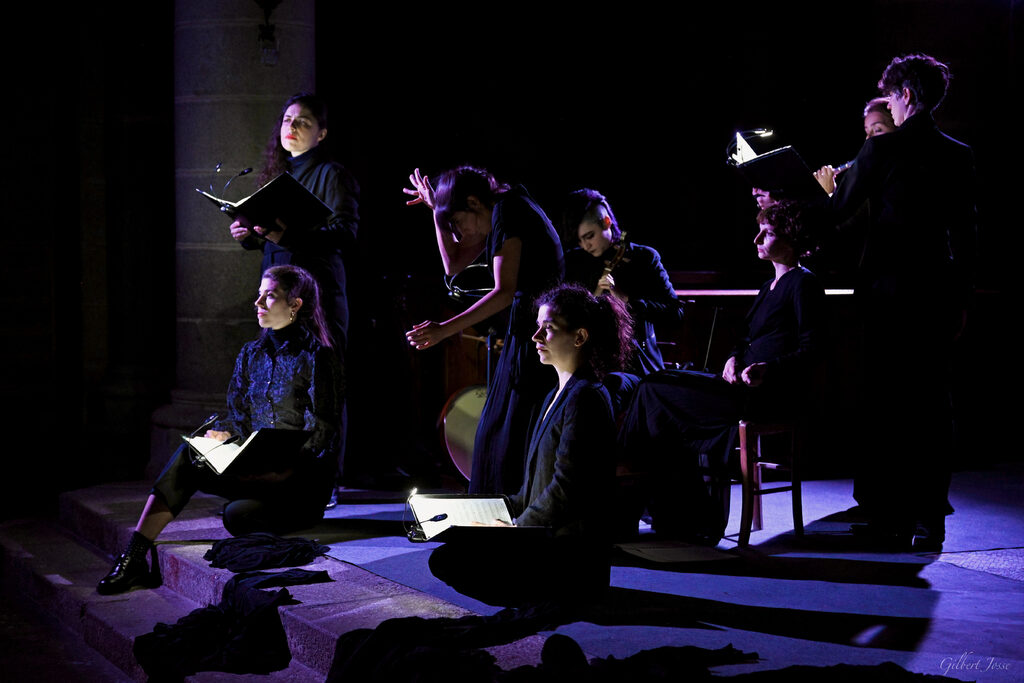
In Dinan (France), the voices of Irini open the new Arsonora Festival
For its inaugural edition, the new Arsonora Festival in Dinan, Brittany, welcomed vocal ensemble Irini to the Chapelle des Cordeliers, normally closed to the public, with its programme INVICTAE (‘Unconquered’), an immersion in the captivating sound world of medieval music.
Under the direction of Lila Hajosi, with movement by Faustine Aziyadé, the singers brought these polyphonies to life with intensity, poised between spiritual fervour and dramatic power. True to its artistic approach, Irini explores encounters between the musical traditions of East and West, playing on contrasts between solo voices and collective textures. A striking way for Arsonora to establish its artistic ambitions from the outset.
With Ensemble Irini and Lila Hajosi.
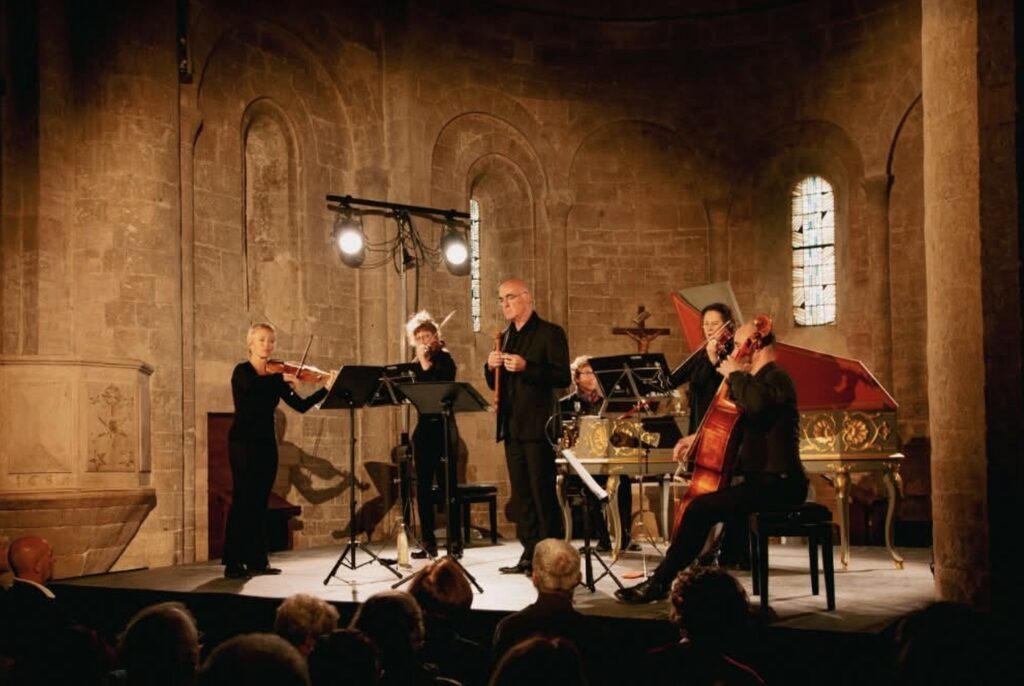
At Pic Saint-Loup (France), Jean-Marc Andrieu’s Les Passions set ancient stones resonating
The 13th Festival de musique ancienne en Pic Saint-Loup et Gorges de l’Hérault, in southern France, drew to a close in the exceptional setting of the church of Saint-Martin-de-Londres, a masterpiece of Languedoc Romanesque architecture. Under the direction of Jean-Marc Andrieu, Les Passions performed recorder concertos by Telemann and Sammartini, creating a dialogue between music and architecture within this 12th-century monument.
The festival’s final weekend also welcomed the Kapsber’girls with their Italian programme Che fai tu?, while the young Duo Nysiak explored encounters between French airs de cour and Occitan poetry. A fitting conclusion to a festival that has brought together heritage and early music for thirteen years.
With Les Passions, Jean-Marc Andrieu, the Kapsber’girls and Duo Nysiak.



You must be logged in to be able to post comments.
Sign in