



Articles
# TopicsAnniversary Baroque CD in four questions CD New Releases Early music festival Focus guests History interview music pictures of the Week Playlist of the week Portrait Presto Record of the month Records Report Video of the week Young talents
-
-
 Young Talents
Barbaroco: Celebrating the Shapeshifting Viola da Gamba
With “Glosas de oro”, we discover Barbaroco, a young early music ensemble breathing new life into the songbooks of the Spanish Renaissance. The ensemble will perform the programme on 12 September at the Church of Saint-Pierre-Saint-Paul in Gonesse, in the Île-de-France region, before presenting it at Madrid’s Fundación Juan March in January 2027.
-
 Innsbruck Festival of Early Music
Cesti’s “Il pomo d’oro”: The Daring Gamble of Reviving an Opera Unperformed Since 1668
Ten hours of music over two evenings, a theatre built especially for the occasion, and more than forty characters: Antonio Cesti’s “Il pomo d’oro” had all the makings of an extraordinary theatrical gamble. Premiered in 1668 at the imperial court in Vienna and never revived since, this monument to Habsburg glory returns to the stage this summer in Innsbruck with Accademia Bizantina, under the direction of Ottavio Dantone, to celebrate the 50th anniversary of the Innsbrucker Festwochen der Alten Musik. The opera will be performed on 7+8, 11+12, 15+16 August at the Tiroler Landestheater.
-
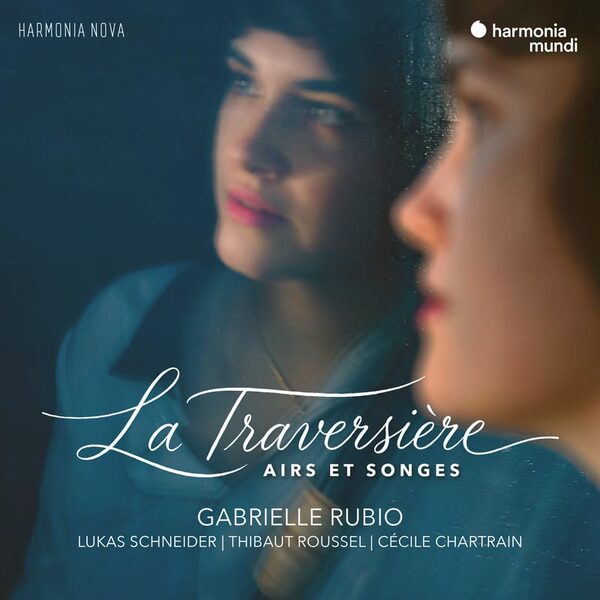 Gabrielle Rubio
The Transverse Flute
For her first recital on Harmonia mundi, Gabrielle Rubio returns to the composers who first established the French transverse flute as an instrument of distinction. From Michel de La Barre to Michel Blavet, via Hotteterre, Philidor, Boismortier and Couperin, the young flautist traces a journey through dances, reveries and chiaroscuro, from the hushed intimacy of the King’s Chamber to the salons of the eighteenth century.
-
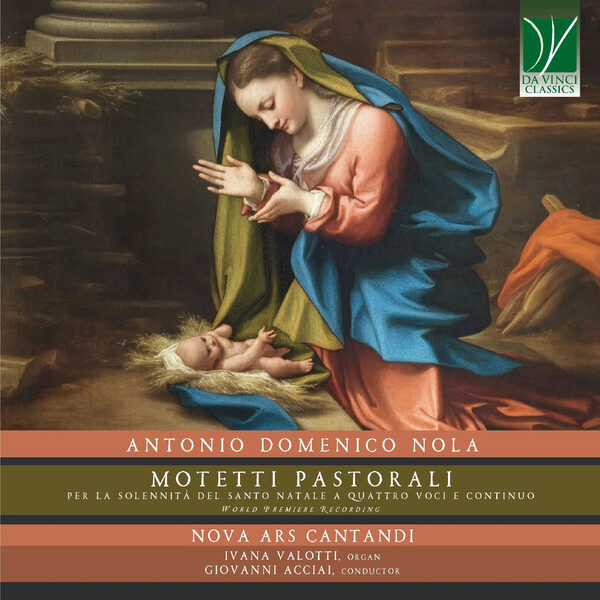 Nova Ars Cantandi
Nola: Motetti pastorali
Giovanni Acciai and Nova Ars Cantandi bring Antonio Domenico Nola’s “Motetti pastorali per la solennità del Santo Natale” back into the light: an expansive Neapolitan fresco for four voices and basso continuo that had remained in obscurity for almost four centuries. Combining sacred narrative, expressive polyphony and echoes of popular Christmas traditions, this recording reveals a still little-known figure in Neapolitan music at the turn of the eighteenth century.
-
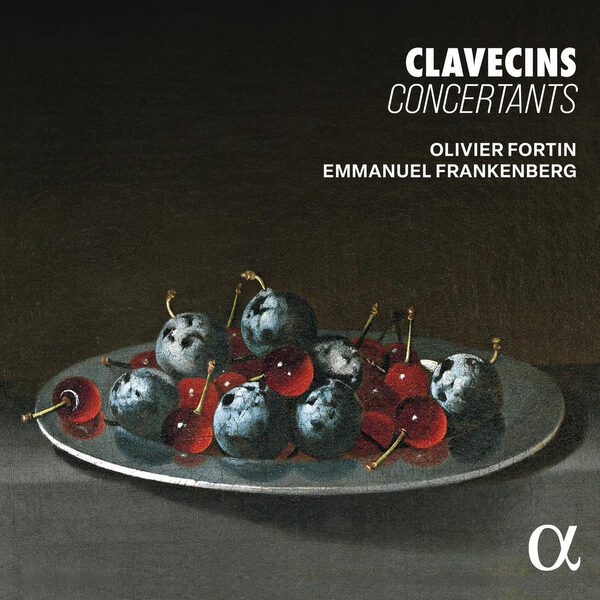 Olivier Fortin & Emmanuel Frankenberg
Harpsichords in Concert
With “Clavecins concertants”, Olivier Fortin and Emmanuel Frankenberg recreate an entire world of French orchestral theatre on two harpsichords, from Lully to Rameau via Marais, d’Anglebert, Chambonnières, Lebègue and Forqueray. Overtures, chaconnes, dance airs and celebrated pieces acquire a new breadth in this setting: the two instruments do more than simply converse, together they reimagine the colours, textures and energy of a Baroque orchestra.
-
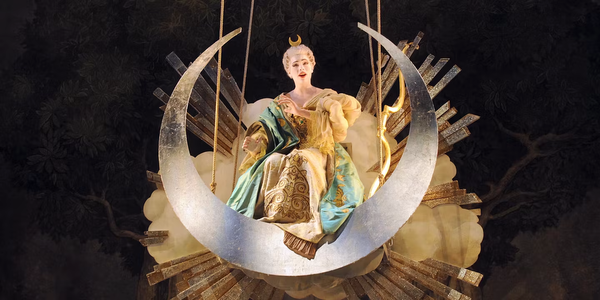 Baroque Opera Today (3/3)
From the Archives to the Stage
How can a forgotten Baroque opera be brought back to life? From sources that are sometimes incomplete to rehearsals, from cuts to the continuo part to the voices on stage, every revival requires a series of musicological and artistic decisions. Between the rediscovered score and the living performance, it is often necessary to reconstruct, adapt, transmit a style, and reinvent the very conditions of performance, without betraying the work’s dramatic balance or losing today’s audience.
-


-

-
-

-
 Opera creation
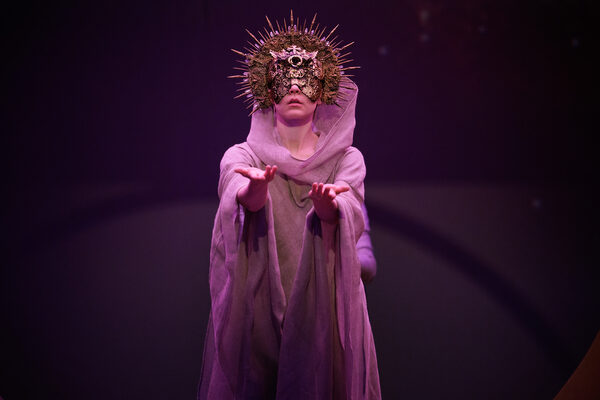
Hildegard von Bingen: From the Rhine Valley to the United States
From medieval mysticism to contemporary opera, Hildegard von Bingen has never ceased to fascinate. With “Hildegard”, her first opera, American composer Sarah Kirkland Snider brings together visions, illness, faith, desire, and artistic creation to revive Hildegard von Bingen, one of the most remarkable figures of the European Middle Ages. “Hildegard” will be performed on July 31 at the Aspen Music Festival in Colorado.
