


 With “Clavecins concertants”, Olivier Fortin and Emmanuel Frankenberg recreate an entire world of French orchestral theatre on two harpsichords, from Lully to Rameau via Marais, d’Anglebert, Chambonnières, Lebègue and Forqueray. Overtures, chaconnes, dance airs and celebrated pieces acquire a new breadth in this setting: the two instruments do more than simply converse, together they reimagine the colours, textures and energy of a Baroque orchestra.
  By
By 


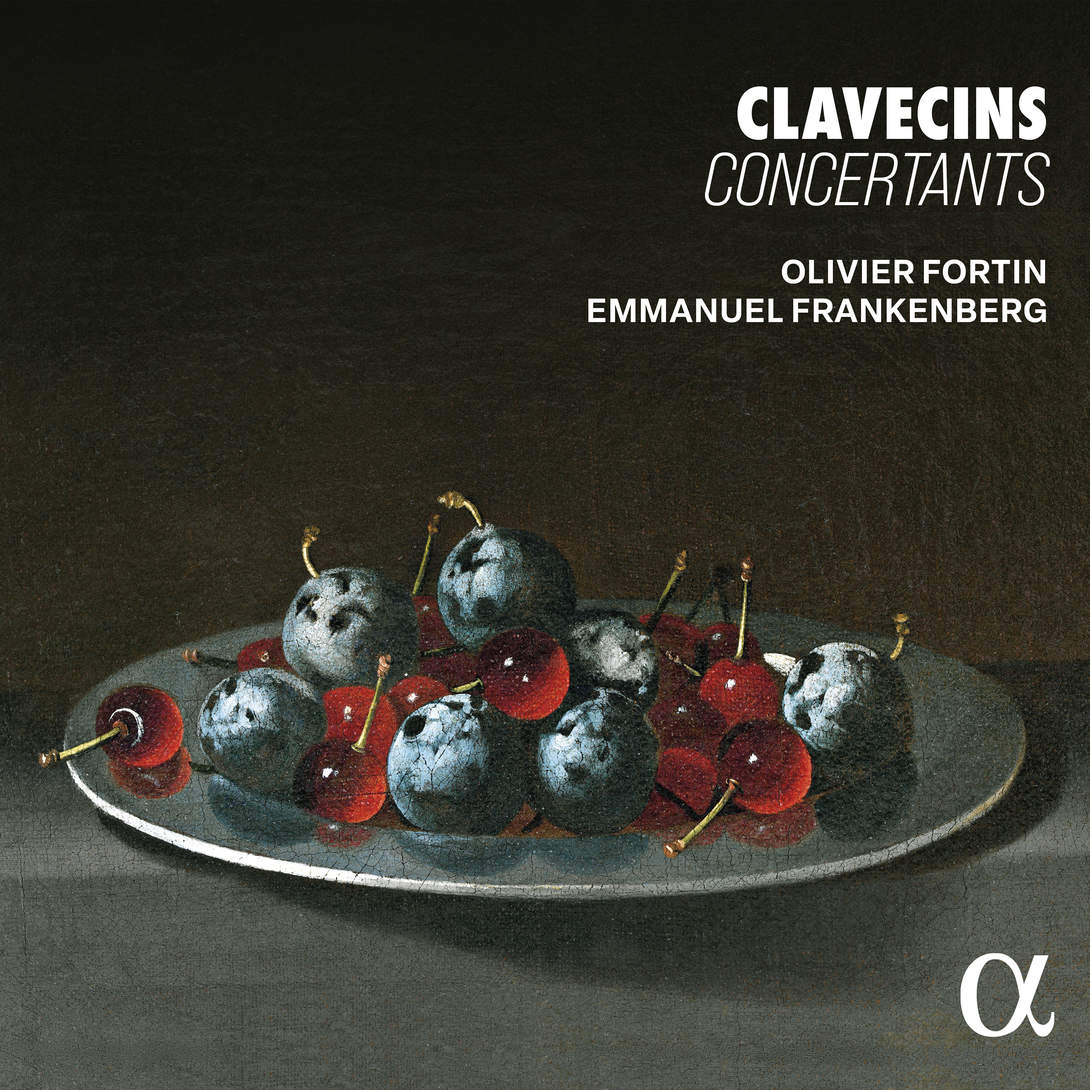
Released by Alpha Classics, the programme revives a practice common in the seventeenth and eighteenth centuries: adapting music heard at the opera for keyboard, so that it could be played again in salons or at home. Olivier Fortin and Emmanuel Frankenberg do not, however, confine themselves to reproducing historical reductions. They have made most of the arrangements themselves, creating a free-ranging journey through the French repertoire in which works written for the stage sit alongside pieces originally conceived for harpsichord or viol.
The album opens with a prelude, followed by Chambonnières’s Gigue, the overture to Lully’s Cadmus et Hermione, pieces by d’Anglebert and Lebègue, and several transcriptions of music by Marin Marais. Alcione forms one of the programme’s focal points, with its overture, expansive chaconne and Airs pour les matelots. Rameau is represented in particular by Les Sauvages, a piece that became iconic after moving from the harpsichord to the orchestra in Les Indes galantes and is here brought closer to the orchestral richness of its stage version. The journey concludes with the chaconne from Lully’s Phaëton, after fifty-three minutes of continual interplay between keyboard, dance and theatre.
The album’s chief appeal lies in the way the two performers exploit the particular resources of their formation. Where a single harpsichord inevitably concentrates the musical texture, two instruments multiply the layers, registers and effects of scale. The musicians explain that they spent a long time searching, experimenting and reshaping the programme in order to discover what sounded most natural for them as a duo: “one harpsichord sounds like one harpsichord, but two harpsichords sound like four”, as they put it. The phrase neatly captures the spirit of the recording: not an attempt to imitate the orchestra, but the invention of another kind of instrumental spectacle, poised between the precision of the keyboard and the brilliance of the stage.
Recorded in Belgium at the Sainte-Agnès beguinage in Sint-Truiden, Clavecins concertants brings together seventeen tracks devoted to French repertoire from the seventeenth and eighteenth centuries. By restoring to transcription its role as a vehicle for circulation and transformation, Olivier Fortin and Emmanuel Frankenberg remind us that Baroque music never ceased to move from one instrument to another, from theatre to salon and from orchestra to keyboard.

You must be logged in to be able to post comments.
Sign in