



Records
Each week, Total Baroque Magazine brings you an in-depth review of a recently released early music album.
-
-
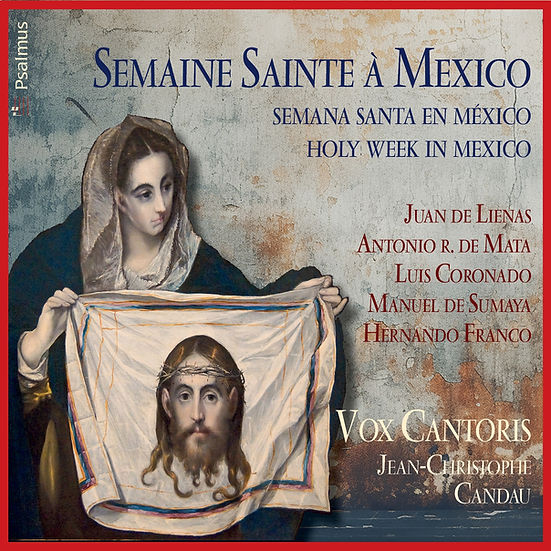 Vox Cantoris
Holy Week in Mexico City
From the Lamentations of Jeremiah to the St John Passion, Vox Cantoris explores nearly two centuries of sacred music in New Spain on this new album. Under the direction of Jean-Christophe Candau, the ensemble traces a repertoire in which the Iberian polyphonic tradition is both preserved and transformed, from Hernando Franco to Manuel de Sumaya.
-
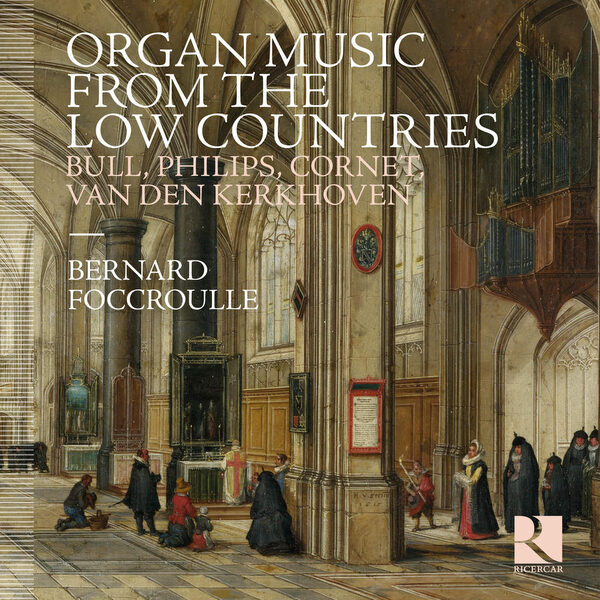 Bernard Foccroulle
The golden age of the organ in the Southern Netherlands
Bernard Foccroulle returns to the source. On historic organs of the former Low Countries, the Belgian organist revives for Ricercar a sixteenth- and seventeenth-century repertoire, revealing its strength, colours and intimacy without affectation.
-
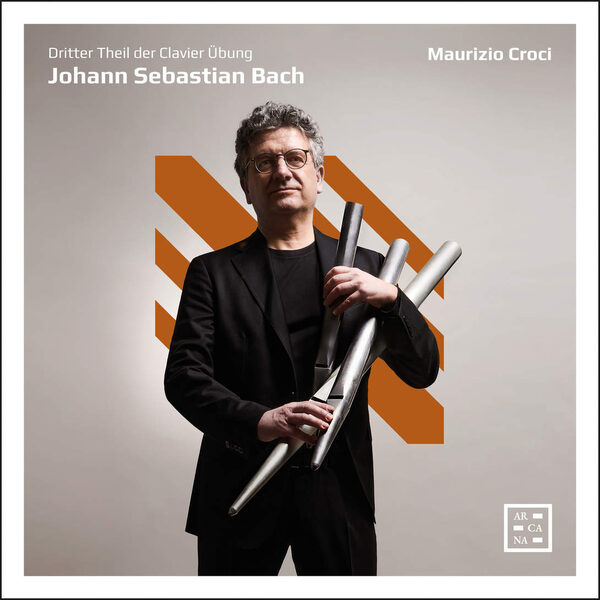 Maurizio Croci
J. S. Bach: Part III of the Clavier-Übung
How can we recover the colours Bach may have imagined at the organ? In his complete recording of Part III of the “Clavier-Übung”, Maurizio Croci draws on the registration indications left by Georg Friedrich Kauffmann, a contemporary of the Cantor. On the Treutmann organ at Grauhof, built in 1737, he offers a fresh reading of one of the great monuments of Bach’s organ music.
-
 Ensemble Les Timbres
Carré d’As: musical portraits of Couperin, Forqueray, Marais and Rameau
What do Couperin, Forqueray, Marais and Rameau reveal about one another when they portray each other in music? With “Carré d’As”, Les Timbres brings together self-portraits, tributes and musical evocations, revealing four distinct personalities behind four of the great names of French Baroque music.
-
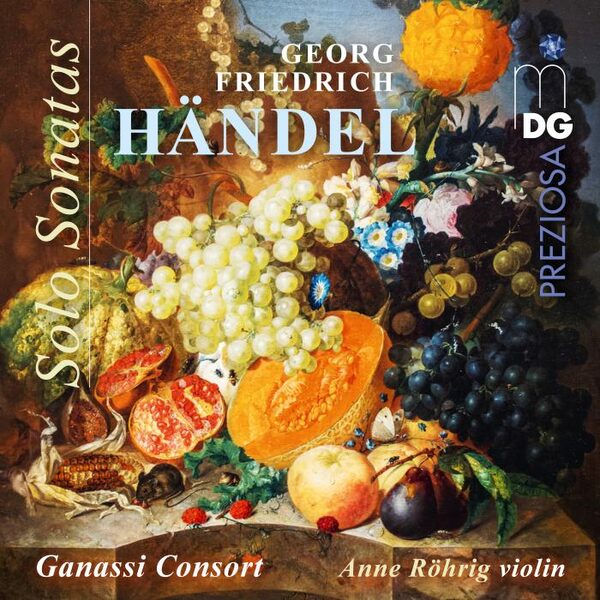 Anne Röhrig & Ganassi Consort
Handel: Solo Sonatas
How should Handel’s solo sonatas be brought to life when their publishing history, their sources and, at times, even their intended instrumentation remain fluid? Released in MDG’s Preziosa series, this double album by the Ganassi Consort with Anne Röhrig does not opt for uniformity: it entrusts the corpus to a whole range of period instruments, in order to recover, as closely as possible to historical practice, the diversity of a chamber Handel who is by turns lyrical, dance-like, theatrical and inventive.
-
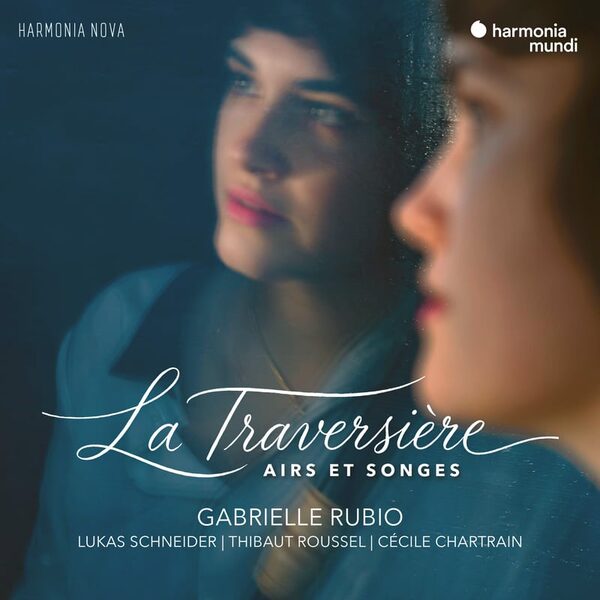 Gabrielle Rubio
The Transverse Flute
For her first recital on Harmonia mundi, Gabrielle Rubio returns to the composers who first established the French transverse flute as an instrument of distinction. From Michel de La Barre to Michel Blavet, via Hotteterre, Philidor, Boismortier and Couperin, the young flautist traces a journey through dances, reveries and chiaroscuro, from the hushed intimacy of the King’s Chamber to the salons of the eighteenth century.
-
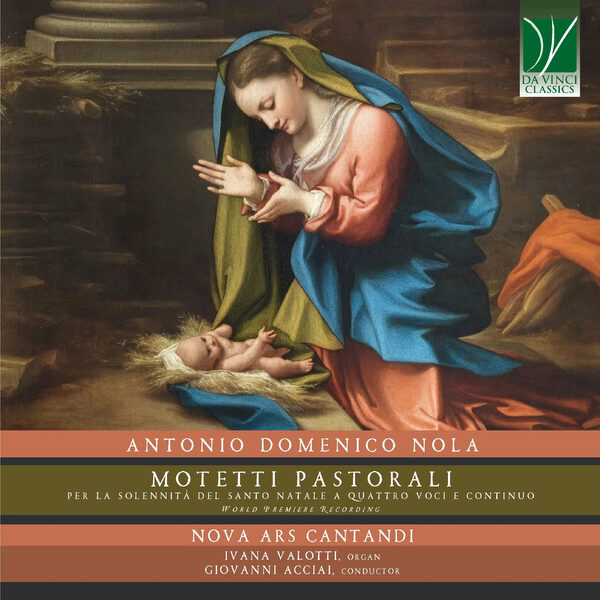 Nova Ars Cantandi
Nola: Motetti pastorali
Giovanni Acciai and Nova Ars Cantandi bring Antonio Domenico Nola’s “Motetti pastorali per la solennità del Santo Natale” back into the light: an expansive Neapolitan fresco for four voices and basso continuo that had remained in obscurity for almost four centuries. Combining sacred narrative, expressive polyphony and echoes of popular Christmas traditions, this recording reveals a still little-known figure in Neapolitan music at the turn of the eighteenth century.
-
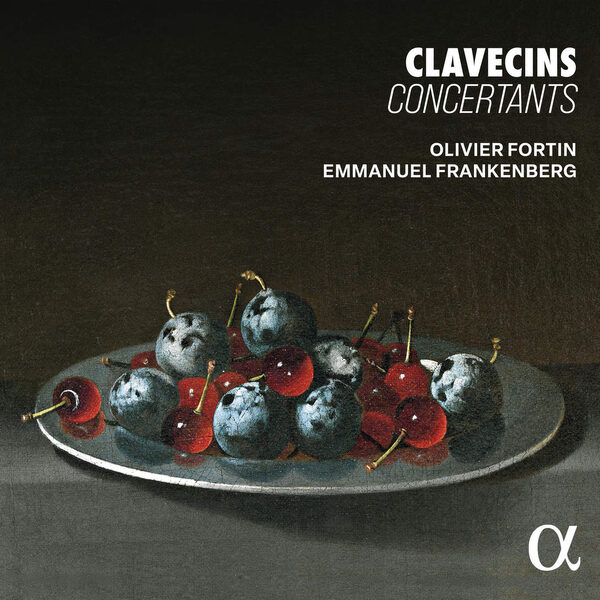 Olivier Fortin & Emmanuel Frankenberg
Harpsichords in Concert
With “Clavecins concertants”, Olivier Fortin and Emmanuel Frankenberg recreate an entire world of French orchestral theatre on two harpsichords, from Lully to Rameau via Marais, d’Anglebert, Chambonnières, Lebègue and Forqueray. Overtures, chaconnes, dance airs and celebrated pieces acquire a new breadth in this setting: the two instruments do more than simply converse, together they reimagine the colours, textures and energy of a Baroque orchestra.
-
 Cristina Prats Costa
A Violin Along the Roads of the Mediterranean
In “Spiritillo Mediterraneo”, Spanish violinist Cristina Prats Costa follows in the footsteps of a lively, mischievous little Baroque sprite, taking her violin on a journey through Mediterranean ports, courtyards, and intertwined traditions. From Falconieri to Vivaldi, from Matteis to the Spanish dances of Sanz, Murcia, and Nebra, her first solo album transforms the Mediterranean into a theatre of invention, where ornamentation becomes storytelling.
-

-
 Pablo Agudo López & Les Impertinences
Bestiario: Baroque in the Wild
With “Bestiario”, Les Impertinences plunges into a free, raw, and virtuosic seventeenth century, where instruments imitate animals, bodies, cries, dance, and the tumult of the world. Around Biber, Farina, Uccellini, and Du Mont, Venezuelan violinist and director Pablo Agudo López embraces an unruly baroque style, fueled by improvisation and Latin American traditions.