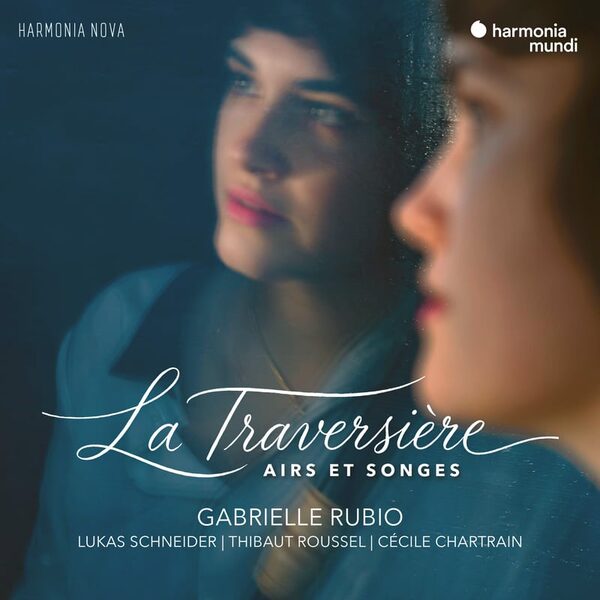
For her first recital on Harmonia mundi, Gabrielle Rubio returns to the composers who first established the French transverse flute as an instrument of distinction. From Michel de La Barre to Michel Blavet, via Hotteterre, Philidor, Boismortier and Couperin, the young flautist traces a journey through dances, reveries and chiaroscuro, from the hushed intimacy of the King’s Chamber to the salons of the eighteenth century.
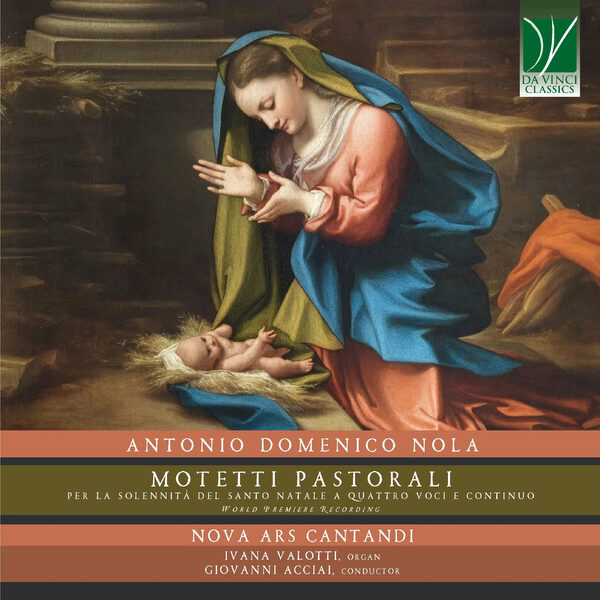
Giovanni Acciai and Nova Ars Cantandi bring Antonio Domenico Nola’s “Motetti pastorali per la solennità del Santo Natale” back into the light: an expansive Neapolitan fresco for four voices and basso continuo that had remained in obscurity for almost four centuries. Combining sacred narrative, expressive polyphony and echoes of popular Christmas traditions, this recording reveals a still little-known figure in Neapolitan music at the turn of the eighteenth century.
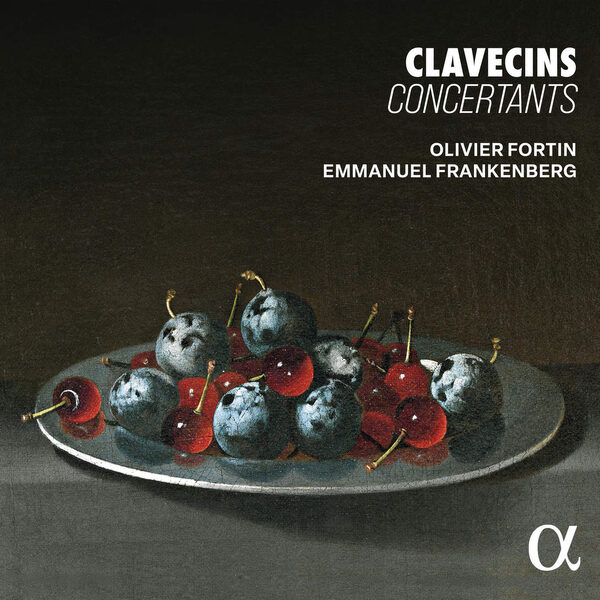
With “Clavecins concertants”, Olivier Fortin and Emmanuel Frankenberg recreate an entire world of French orchestral theatre on two harpsichords, from Lully to Rameau via Marais, d’Anglebert, Chambonnières, Lebègue and Forqueray. Overtures, chaconnes, dance airs and celebrated pieces acquire a new breadth in this setting: the two instruments do more than simply converse, together they reimagine the colours, textures and energy of a Baroque orchestra.