


 A Baroque opera in Occitan at the court of Louis XV: in 1754, Mondonville brought to the stage at Fontainebleau a Languedoc pastoral entirely sung in the language of his native southern France. Nearly three centuries later, Jean-Marc Andrieu and Les Passions revive it on period instruments with the Les éléments Chamber Choir.
  By
By 


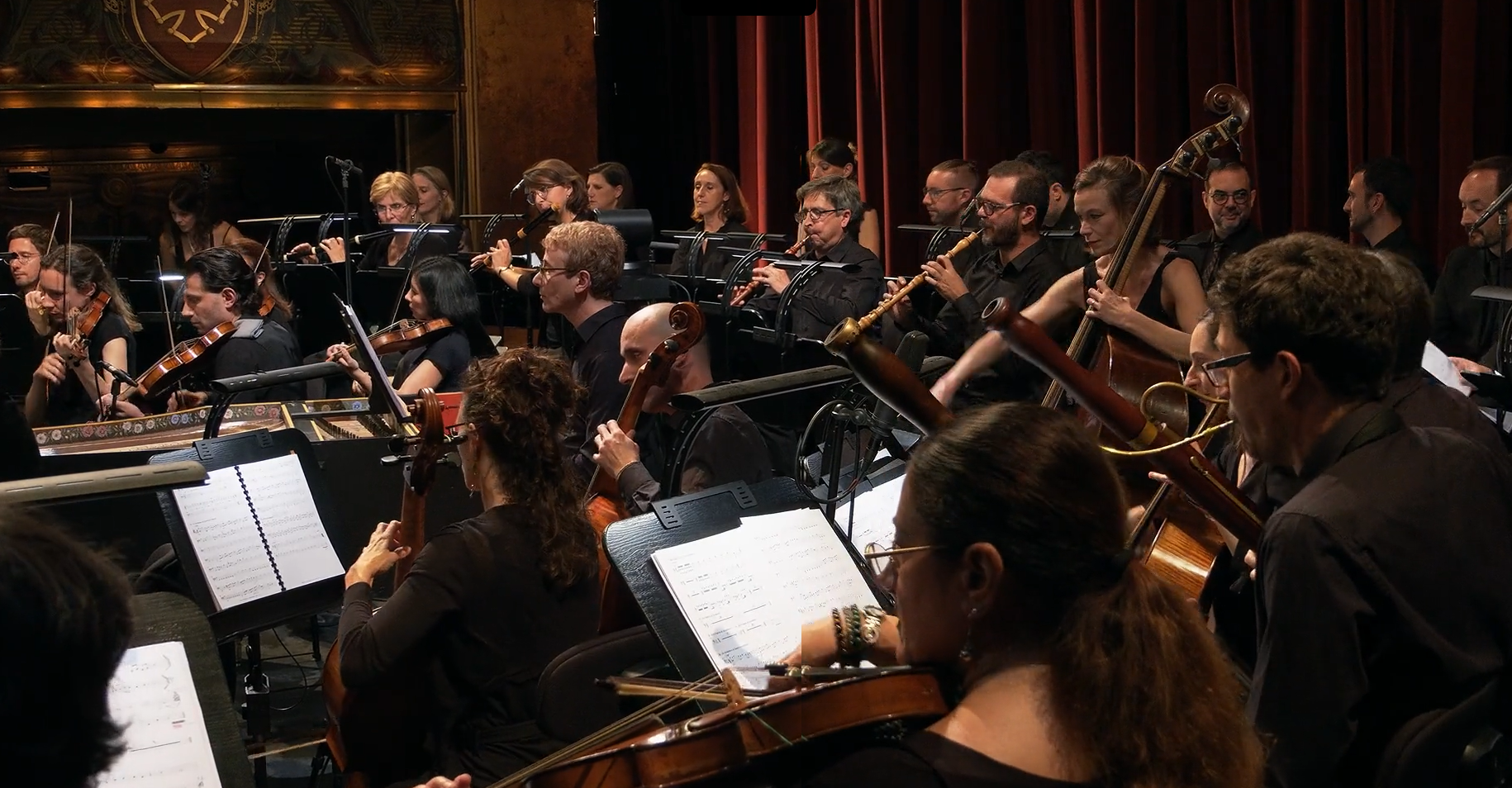
With Daphnis et Alcimadure, Jean-Joseph Cassanéa de Mondonville created one of the most unusual works of eighteenth-century French opera. Premiered at Fontainebleau in 1754 before the court of Louis XV, this three-act pastoral is based on a fable by La Fontaine, but radically transforms its ending: where the original tale is cruel, Mondonville opts for romantic reconciliation. Above all, he has his characters sing in Languedoc Occitan, while a French prologue celebrates the Jeux floraux, an ancient Toulouse poetry competition, and Clémence Isaure, the legendary figure presented as its founder.
An Occitan opera at the French court

Passionate about early music and want to read this subscriber-only article?
If you are not a subscriber, join the international Total Baroque community. Subscribe here from 5.00€.
I subscribe
If you are already a subscriber, sign in.
I sign in 

You must be logged in to be able to post comments.
Sign in