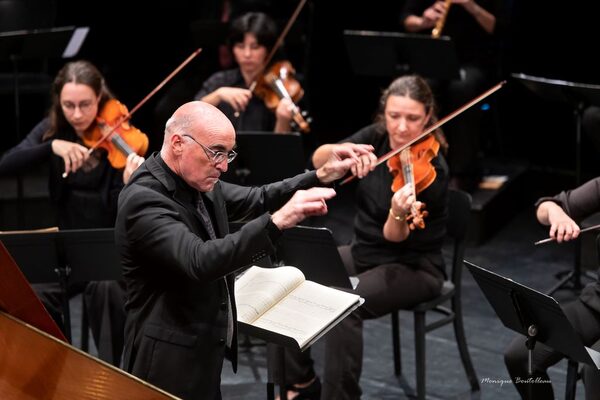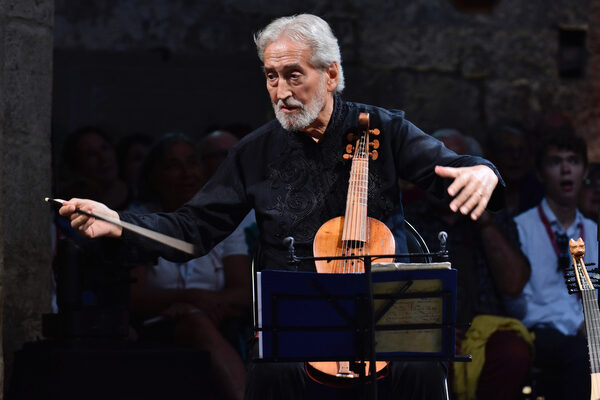
The French ensemble Doulce Mémoire, specializing in Renaissance music, pays tribute to its founder Denis Raisin Dadre, who passed away last October, and opens a new chapter under the leadership of Elsa Frank and Jérémie Papasergio, long-standing collaborators of the founder. A concert at the Opéra de Tours on March 17 will mark both this tribute and the rebirth of the ensemble.
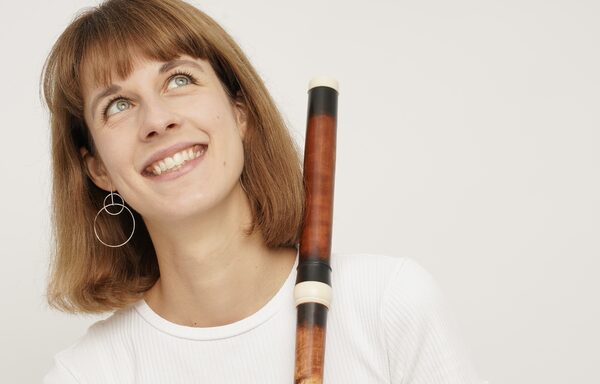
She has been the new artistic director of the Bruges Early Music Festival (Belgium) since January 1, and is the founder of the Sollazzo ensemble. She’s 38. While Bruges is embarking on a new chapter, Sollazzo is taking a decisive step forward with La Flamboyance, a medieval project for twenty musicians to be released on CD in May.
In March 2026, Total Baroque Magazine celebrates its first anniversary. Twelve months of investigations, interviews, and historical features exploring a repertoire that is at once rooted in heritage and deeply contemporary. This anniversary is an opportunity to take stock and share a few perspectives with you.
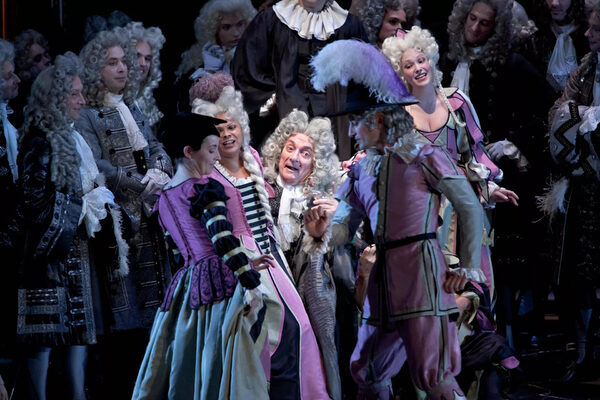
A mythical opera of the baroque revival in the 1980s, Lully’s Atys returns in 2026 in a radically new version, the result of four years of work by the Centre de musique baroque de Versailles. Notably, it completely reorganizes the orchestra. Benoît Dratwicki, the centre’s artistic director, tells us the story of this adventure.
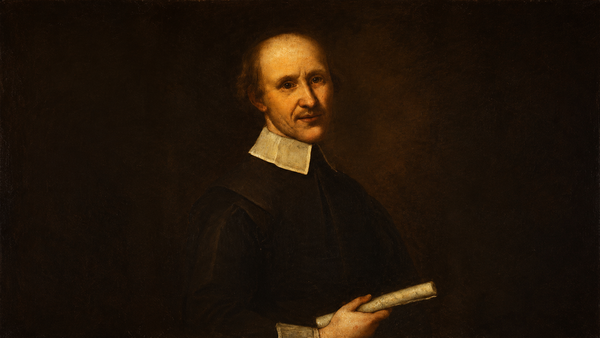
For the 14th time, Europe’s musical world gathers in January at the Valletta Baroque Festival in Malta. Rarely-performed works, musicians from every country, a highly international audience. A notable event this year: the city, founded in 1565 by the French knight Jean de La Valette, is hosting a fully staged opera, Pelopida, by the Maltese composer Girolamo Abos.
In Lyon, Franck-Emmanuel Comte and his ensemble Le Concert de l’Hostel Dieu explore original paths between early music and other artistic disciplines. A meeting with a conductor whose motto is: explore, reveal, share.
The recording of The Four Seasons by Amandine Beyer and her ensemble Gli Incogniti (released in 2008) is among the benchmark interpretations of Vivaldi’s work. For the violinist, this recording was anything but a closed chapter in a “sound museum”: it was a sensory shock, a door opening onto the unknown and, more recently, a choreographed playground.
Fabio Biondi does not play Vivaldi: he makes Vivaldi speak through the violin. Between traditional Italian virtuosity and the finely crafted grammar of Baroque research, he has spent nearly fifty years defending the idea that music is a language rather than a mere question of tonality. We look back on a seminal encounter and his album of The Four Seasons, which went on to achieve international success.