


 For the 14th time, Europe’s musical world gathers in January at the Valletta Baroque Festival in Malta. Rarely-performed works, musicians from every country, a highly international audience. A notable event this year: the city, founded in 1565 by the French knight Jean de La Valette, is hosting a fully staged opera, Pelopida, by the Maltese composer Girolamo Abos.
  By
By 


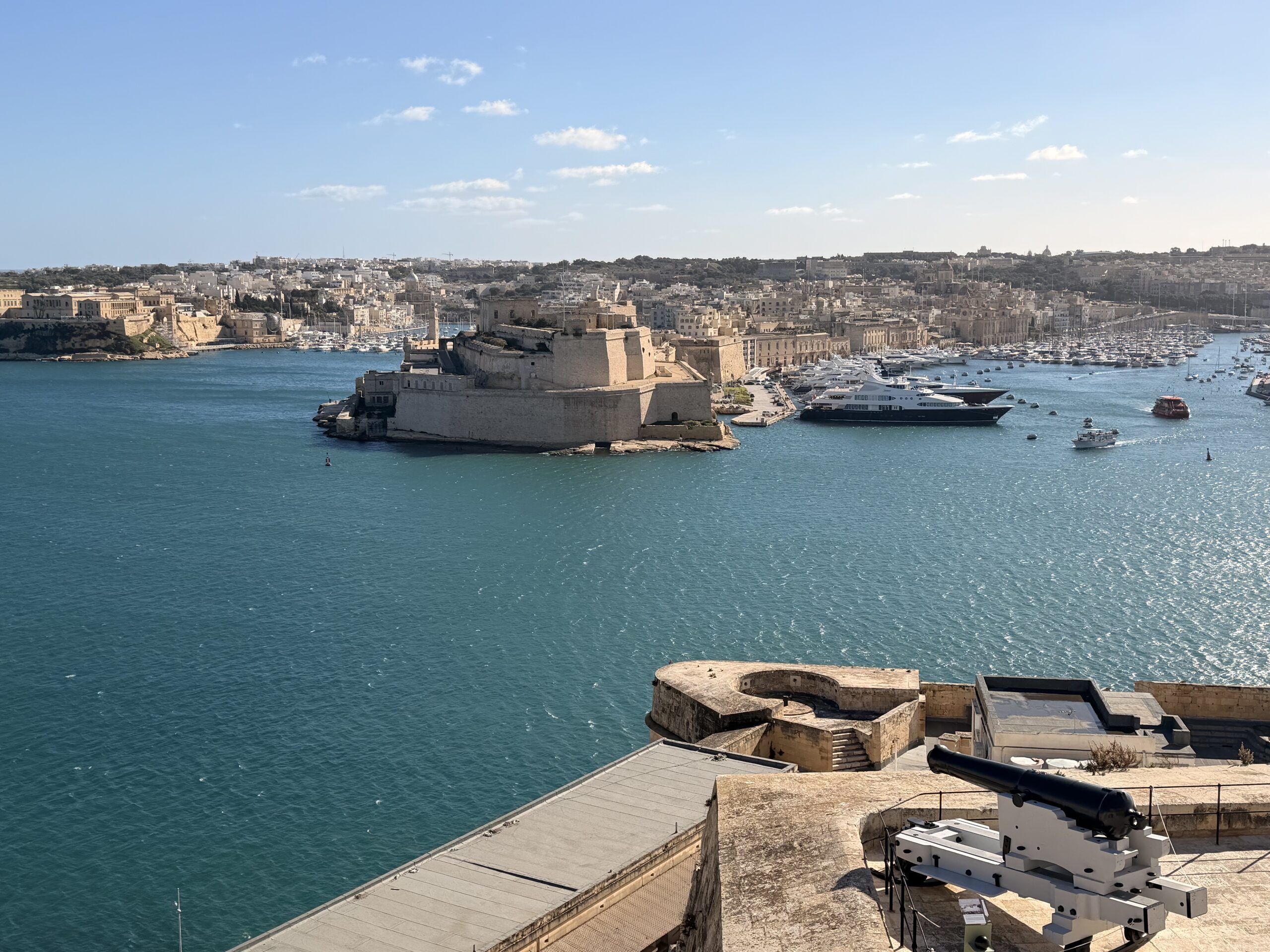
When he founded the Valletta Baroque Festival in 2013, artistic director Kenneth Zammit-Tabona recalls that at the time there was neither theorbo nor harpsichord on the island. And yet baroque art is omnipresent in the palaces, castles and residences of the former nobility of Valletta and its surroundings. Today, the situation has changed: the festival’s January rendez-vous has become unmissable for European ensembles. In the wake of the festival, the Valletta Baroque Ensemble was created, followed by the Abos Project and Consort named after Girolamo Abos, a Maltese composer whose opera Pelopida is being staged at this year’s festival. This provided an opportunity to report on a winter discovery of a festival in the South.
Valletta, Europe’s Baroque crossroads
In Malta, the spring-like January sunshine is regularly called to order by winter: sudden squalls, gusts of cold wind, a changeable sky. None of this, however, can slow down the 14th Valletta Baroque Festival, set in the heart of the city founded by the French knight Jean de Valette after the Great Siege of 1565.
The opening concert is held in the imposing St. John’s Co-Cathedral, a baroque setting featuring a succession of chapels, eight of which are dedicated to the different languages of the Knights of the Order of St. John – notably the Chapel of the Three Kings (German), St. Catherine’s Chapel (Italian), and St. Paul’s Chapel (French). The nave, which seats nearly 800 people and is packed for the occasion, is filled with a Maltese audience, as well as visitors from France, Spain, Italy, and Korea. At the podium, Italian conductor Vincento Di Betta leads the Roman ensemble La Cantoria.
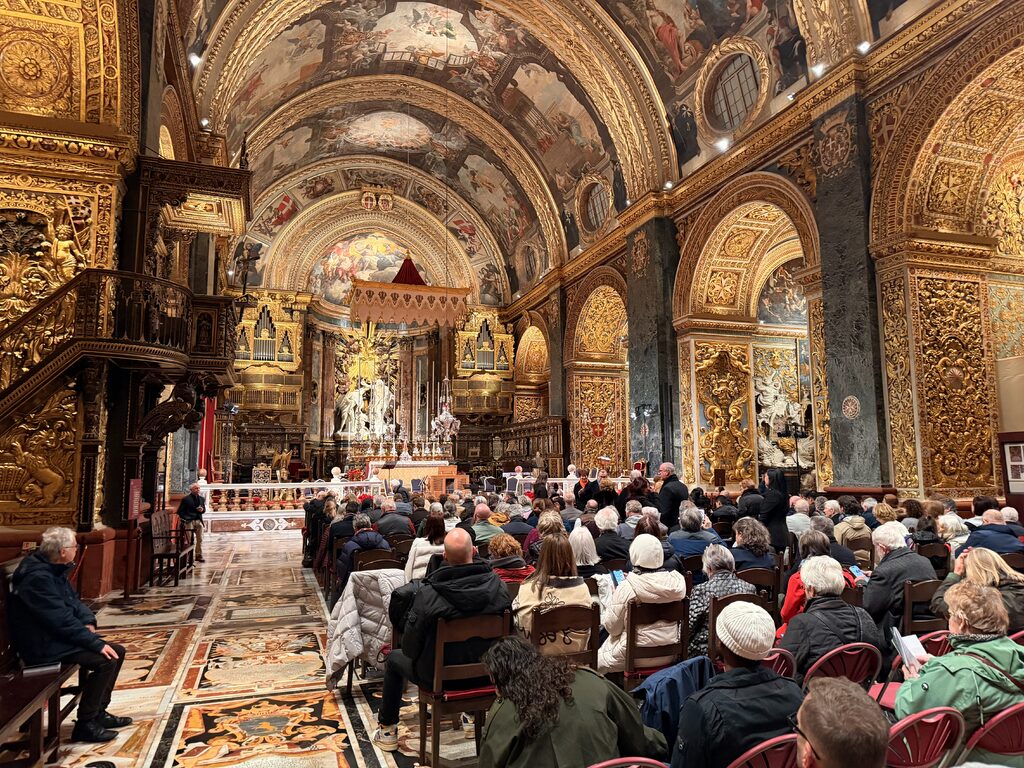
Artistic director Kenneth Zammit-Tabona is adamant: “Baroque music was born at a time when Europe was at the height of its civilisation; its celebration, for its part, must be infinite!” That evening, he chose a rare and symbolic work: the Messa de’ Morti a 5 concertata by Bonaventura Rubino (1600–1668). Born in Lombardy and later a Franciscan monk, Rubino served as chapel master at Palermo Cathedral between 1643 and 1668. Composed around 1653, this mass is of particular importance for Malta: the only known printed copy – the manuscript score having since been lost – is preserved on the island, in the musical archives of Mdina Cathedral. A choice that sets the tone: scholarship, the circulation of sources, and a Mediterranean anchoring.

Passionate about early music and want to read this subscriber-only article?
If you are not a subscriber, join the international Total Baroque community. Subscribe here from 5.00€.
I subscribe
If you are already a subscriber, sign in.
I sign in 

You must be logged in to be able to post comments.
Sign in