




# TopicsAnniversary Baroque CD in four questions CD New Releases Early music festival Focus guests History interview music pictures of the Week Playlist of the week Portrait Presto Record of the month Records Report Video of the week Young talents
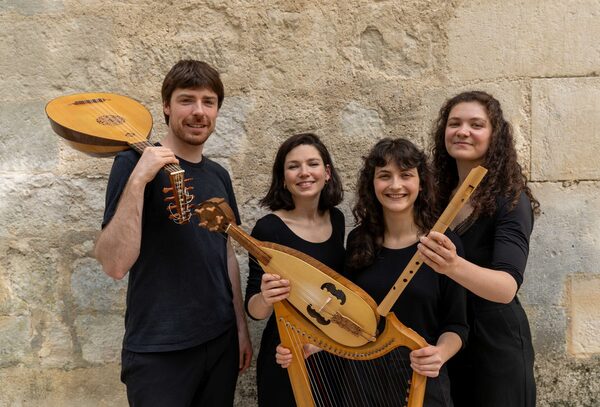
Formed in Lyon, the French quartet ApotropaïK describes its music as ‘new music of the Middle Ages’: troubadours, the Ars Nova, oral tradition, improvisation and stage productions all contribute to an approach that is as well-researched as it is free-spirited. Their next performance will take place this coming December in Enghien-les-Bains (France) with their new programme, ‘Bestiaire’.
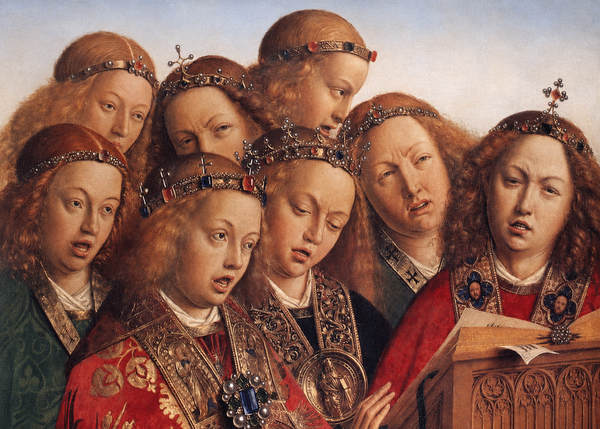
A financial document, a simple register of dues collected from the lands of the Benedictine monastery of San Gaudenzo, founded in Italy in the 14th century, concealed a treasure: a collection of 89 songs, including 19 previously unknown works, among them one by Francesco Landini, the most prestigious composer of the Italian Ars Nova. These pieces will be presented in Rimini on September 4 and performed for the first time by Ensemble Micrologus at Rimini’s Galli Theatre.
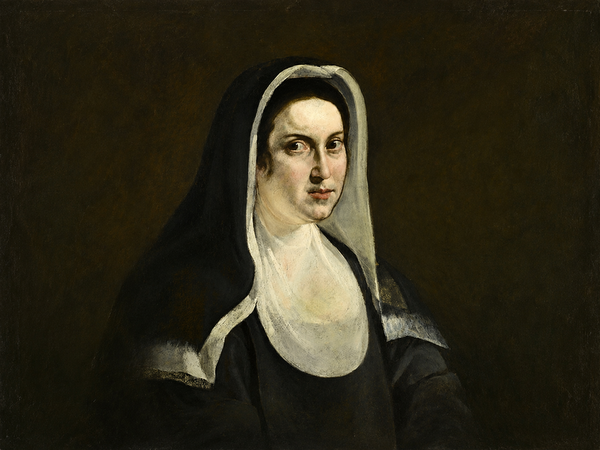
A composer, nun, and later abbess, Chiara Margarita Cozzolani made music one of the central focuses of her life. In 17th-century Milan, her talent flourished within the walls of Santa Radegonda, until it came into direct conflict with the hostility of Archbishop Alfonso Litta.
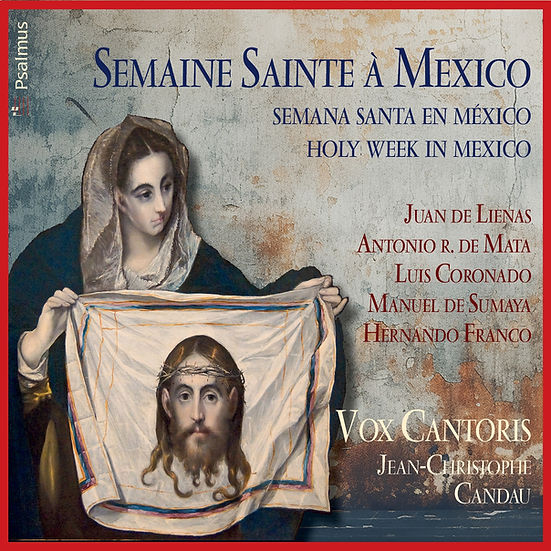
From the Lamentations of Jeremiah to the St John Passion, Vox Cantoris explores nearly two centuries of sacred music in New Spain on this new album. Under the direction of Jean-Christophe Candau, the ensemble traces a repertoire in which the Iberian polyphonic tradition is both preserved and transformed, from Hernando Franco to Manuel de Sumaya.

Opening the 2026 Bayreuth Baroque Festival, Max Emanuel Cencic stages Handel’s “Floridante” and also takes on the title role. Under his artistic direction, the festival has established itself since its launch in 2020 as one of Europe’s most dynamic platforms for Baroque opera. Alongside Sonja Runje and Bruno de Sá, and under the musical direction of Markellos Chryssicos, this new production will be performed on 4, 6, 8, 10, 12 and 13 September 2026 at Bayreuth’s Margravial Opera House.
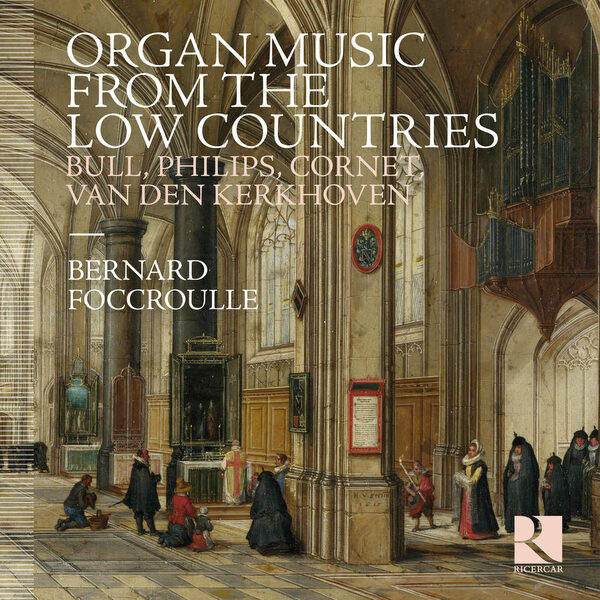
Bernard Foccroulle returns to the source. On historic organs of the former Low Countries, the Belgian organist revives for Ricercar a sixteenth- and seventeenth-century repertoire, revealing its strength, colours and intimacy without affectation.
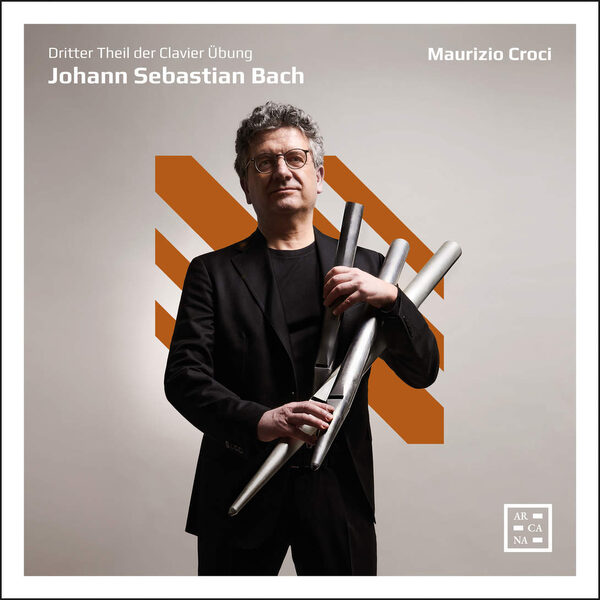
How can we recover the colours Bach may have imagined at the organ? In his complete recording of Part III of the “Clavier-Übung”, Maurizio Croci draws on the registration indications left by Georg Friedrich Kauffmann, a contemporary of the Cantor. On the Treutmann organ at Grauhof, built in 1737, he offers a fresh reading of one of the great monuments of Bach’s organ music.

A group of four to six young Polish musicians, Barque Ensemble was founded in Łódź in 2019 and is equally drawn to Telemann and to “forgotten masters”, whether German or, more unusually, Irish. Their next appearance is on 28 August at the Innsbrucker Festwochen der Alten Musik in Innsbruck.
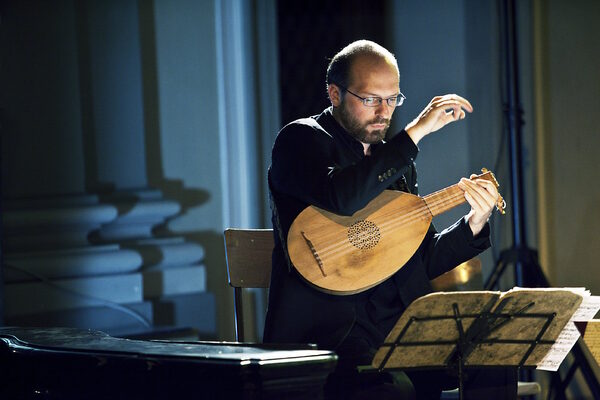
What is the connection between the Ars Nova—a musical revolution in the mid-14th century—and contemporary composer Steve Reich, one of the pioneers of minimalist music in the 20th century? Find out on September 4 at the Utrecht Early Music Festival, featuring Michele Pasotti and his Italian ensemble La fonte musica.
