


 Opening the 2026 Bayreuth Baroque Festival, Max Emanuel Cencic stages Handel’s “Floridante” and also takes on the title role. Under his artistic direction, the festival has established itself since its launch in 2020 as one of Europe’s most dynamic platforms for Baroque opera. Alongside Sonja Runje and Bruno de Sá, and under the musical direction of Markellos Chryssicos, this new production will be performed on 4, 6, 8, 10, 12 and 13 September 2026 at Bayreuth’s Margravial Opera House.
  By
By 


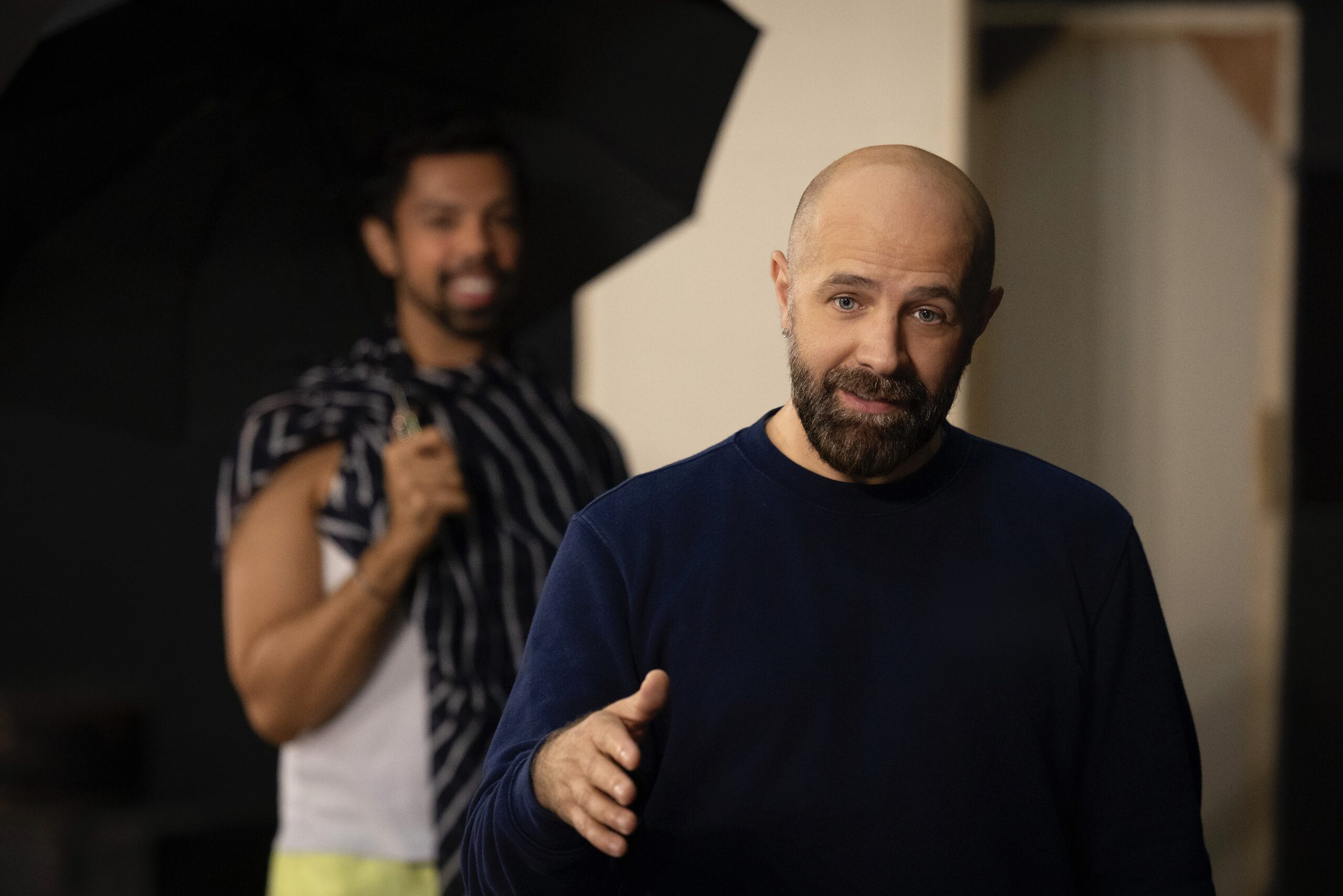
Max Emanuel Cencic has been one of the leading figures in the revival of baroque opera over the past twenty-five years. Born in Zagreb in 1976, he first came to prominence as a child soloist with the Vienna Boys’ Choir, before following a remarkable trajectory: first as a celebrated male soprano, then as a countertenor, and later as one of the most influential producers, stage directors, and artistic directors of his generation. Founder of the agency Parnassus Arts, the driving force behind major rediscoveries of eighteenth-century opera seria, and Artistic Director of the Bayreuth Baroque Festival since its inception in 2020, he has helped bring forgotten masterpieces by Vinci, Porpora, Hasse, and Handel back to the stage. He now continues that journey with Handel’s Floridante, which opens the Festival and for which he serves both as stage director and as the title character. In this interview, he discusses his fondness for rare operas, the lesser-known aspects of Handel’s theatrical works, the economic realities of the opera world today, the emergence of a new generation of countertenors, and his persistent refusal to be labeled. He also explains why he does not wish to be defined as either a “cultural entrepreneur” or simply an opera singer.
Why did you choose Floridante, this little-known Handel opera, for this year’s Bayreuth Baroque Festival?
Max Emanuel Cencic: Handel composed around forty operas and, to be honest, only five or six of them are performed regularly. Everyone knows Giulio Cesare, Alcina, Rodelinda, and perhaps Ariodante. Beyond those, you are already entering the realm of the so-called “rarities.” Yet there is an incredible number of magnificent works that are almost never staged. That is precisely what has interested me for many years: introducing audiences to operas that have fallen into obscurity, even though they are musically fascinating. In the case of Floridante, there was another factor as well. We wanted to create a co-production with the Karlsruhe Handel Festival, where they have, in fact, already performed almost every Handel opera except Floridante. It immediately caught my attention. I thought to myself: Why not this opera, of all things? So I began looking into it more closely. And the more deeply I immersed myself in it, the more fascinated I became by the work.
Would it be fair to say that these rarely performed operas have become the “hallmark” of Bayreuth Baroque?
M. E. C.: Yes, absolutely. Audiences now associate Bayreuth with discoveries. And that is actually wonderful, because many opera houses are still afraid of unfamiliar repertoire. There is often an assumption that if audiences do not recognize the title of a work, tickets will not sell. But our experience at Bayreuth Baroque shows exactly the opposite. Audiences are curious. People want to be surprised. They want to have an experience they haven’t already had ten times. In the field of baroque opera in particular, there is still an immense treasure trove of works that almost no one knows. Why settle for performing the same three or four pieces over and over again?
How do you approach your work as a stage director on an opera like Floridante?
M. E. C.: For me, everything begins with the historical context. The first question that always interests me is: why did a composer write this particular work at that particular moment? What political, social, or personal circumstances played a role? Which singers did he have at his disposal? In Handel’s case, this is especially fascinating because his operas are often very closely tied to specific personalities. In Floridante, for example, the singer Anastasia Robinson played a central role. At the time, she was one of London’s great stars and occupied centre stage during the 1721 season in which the opera was composed. At the same time, she was also performing Bononcini’s Griselda, which was then enjoying even greater success than Floridante. And, of course, there was the castrato Senesino. Handel wrote the title role for him, at a time when he had only been in London for a few years. You can literally feel how Handel was experimenting for him and discovering new musical possibilities. The work was in fact composed just before Giulio Cesare, during one of Handel’s most creative periods. That energy comes through in the music.
Passionate about early music and want to read this subscriber-only article?
If you are not a subscriber, join the international Total Baroque community. Subscribe here from 5.00€.
I subscribe
If you are already a subscriber, sign in.
I sign in 

Bravo Max- love your work and can’t wait to see Floridante at Bayreuth,as well as the Three Sopranos!