



Articles
# TopicsAnniversary Baroque CD New Releases Early music festival Focus guests Heritage History interview music pictures of the Week Playlist of the week Portrait Presto Record of the month Records Report Video of the week Young talents
-
-

-
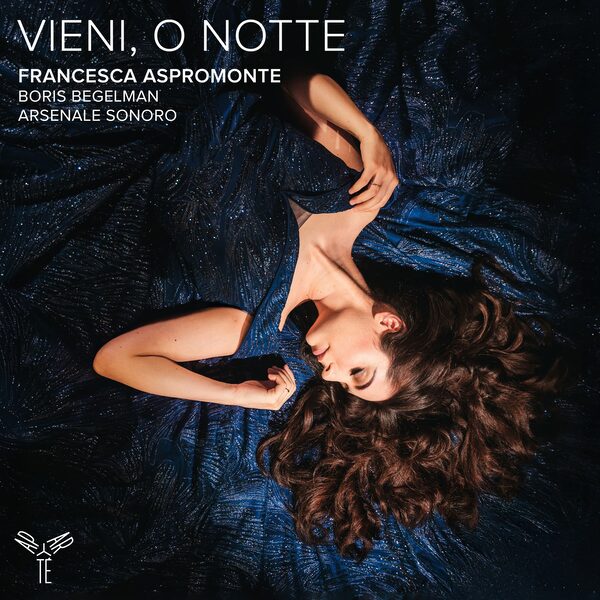 Francesca Aspromonte & Arsenale Sonoro
Vieni, o Notte
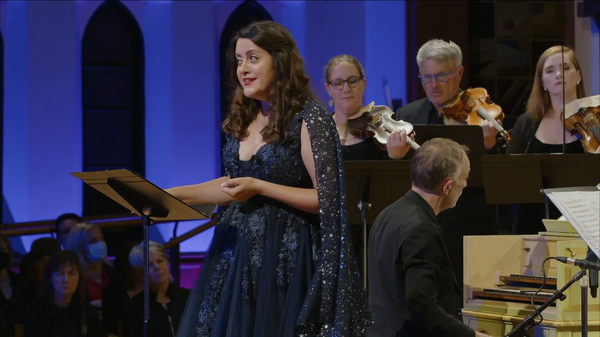
With “Vieni, o Notte”, Francesca Aspromonte and Arsenale Sonoro delve into the intimate world of Scarlatti: three vocal works for soprano, two violins and basso continuo, interwoven with two sonatas for four instruments without harpsichord, form an album of striking poetic and musical unity.
-
 Young Talents
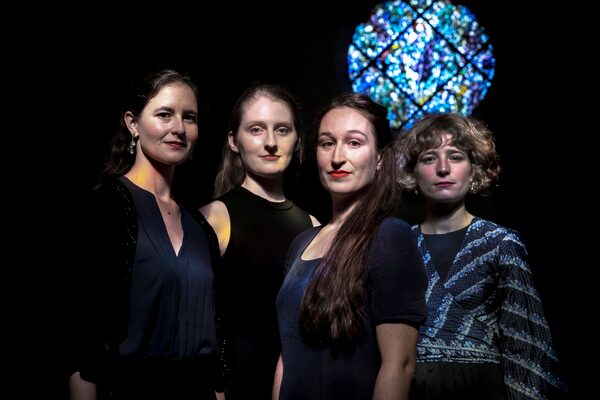
Contre le Temps: Reclaiming the Middle Ages
Created in Basel (Switzerland), in the vibrant atmosphere of the Schola Cantorum Basiliensis, the female vocal quartet Contre le Temps brings medieval music to life in a renewed form. Four singers—two French, two American—and four individual paths converging in a shared sound, always in search of itself.
-
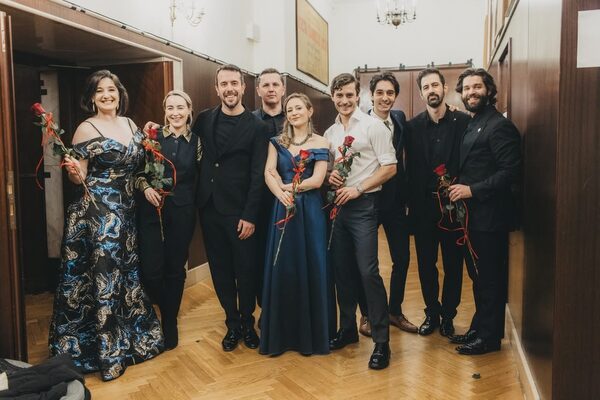 Rémy Brès-Feuillet’s Logbook
From Hamburg to Essen: the final leg of the “Giulio Cesare” tour (2/2)
From February 4 to 28, French countertenor Rémy Brès-Feuillet travelled across Europe with the ensemble Il Pomo d’Oro, conducted by Francesco Corti, for a tour of Handel’s Giulio Cesare in Egitto, alongside, among others, Sabine Devieilhe and Jakub Józef Orliński. One month, ten cities, twelve concerts: a chronicle of an intense tour experienced from the inside.
-
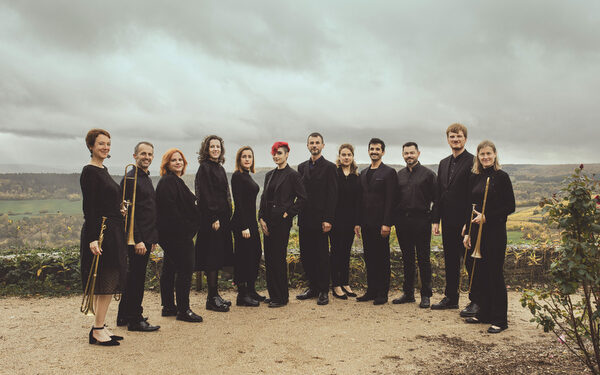 Ensemble Irini & Lila Hajosi
JANUA, a gateway between East and West
With “JANUA”, the ensemble Irini and its director Lila Hajosi explore 15th-century vocal repertoires through a program built around Guillaume Dufay and Byzantine chant. An album that is both scholarly and sensory, inviting listeners to step outside conventional frameworks and open their ears to other forms of perception.
-
-
 Rémy Brès-Feuillet’s Logbook
From Vienna to Amsterdam: An insider’s perspective on the Giulio Cesare Tour (1/2)
Twelve concerts in ten cities: from February 4 to 28, French countertenor Rémy Brès-Feuillet chronicled the Giulio Cesare in Egitto tour by the ensemble Il Pomo d’Oro conducted by Francesco Corti, notably with Sabine Devieilhe and Jakub Józef Orliński. Rehearsals in Vienna, travel logistics, company spirit, first nerves… a road diary from city to city.
-
-
-
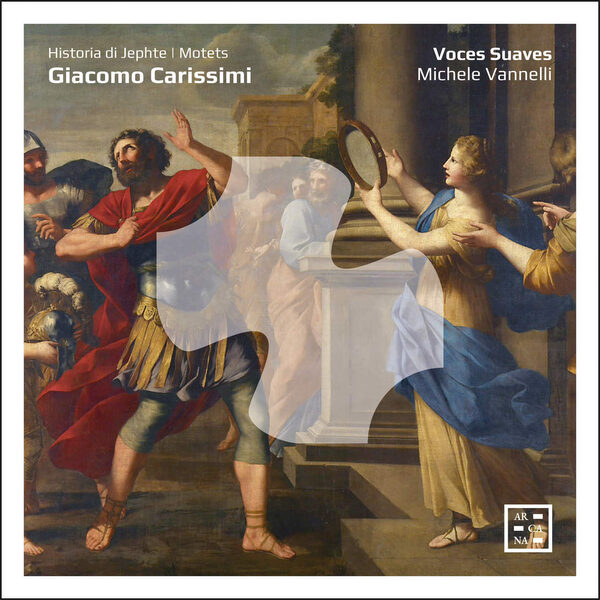 Voces Suaves & Michele Vannelli
Carissimi: Historia di Jephte
Voces Suaves and Michele Vannelli approach Carissimi’s “Historia di Jephte” with attentive care and a palpable sense of engagement: nothing is overstated, the unfolding of the narrative speaks for itself, and it is from this precision that the emotion arises. Composed in the 1640s, the work has never left the repertoire, admired up to Handel, who reworked its final chorus in his “Samson”.
-
 Young Talents
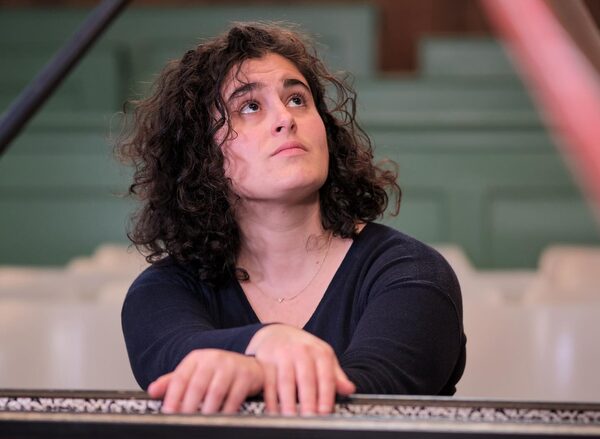
Lillian Gordis: the harpsichord from Bach to contemporary repertoire
A Franco-American harpsichordist born in Berkeley and based in Paris since adolescence, Lillian Gordis has established herself as a leading figure of her generation on the international stage. Acclaimed for the expressive power of her playing and her intellectual engagement, the “Martha Argerich of the harpsichord” is regularly invited to major festivals across Europe and the United States, while also pursuing a highly regarded recording career.
