Bach, Handel and the Princely Courts

GERMANY – AUSTRIA – SWITZERLAND 

→From Leipzig to Innsbruck, from Bayreuth and Potsdam to the Romanesque churches of the Rhineland, the German-speaking world remains one of the great historical laboratories of European early music. Here, Bach, Handel, Schütz, and the masters of the early Baroque continue to inspire a vibrant musical scene where philological research, grand Baroque operas, and the transmission of musical tradition are in constant dialogue. Between festivals in heritage sites and more intimate gatherings, Germany, Austria, and Switzerland thus form a vast musical geography where architectural heritage and historically informed performance continually respond to one another.

GERMANY – AUSTRIA – SWITZERLAND 
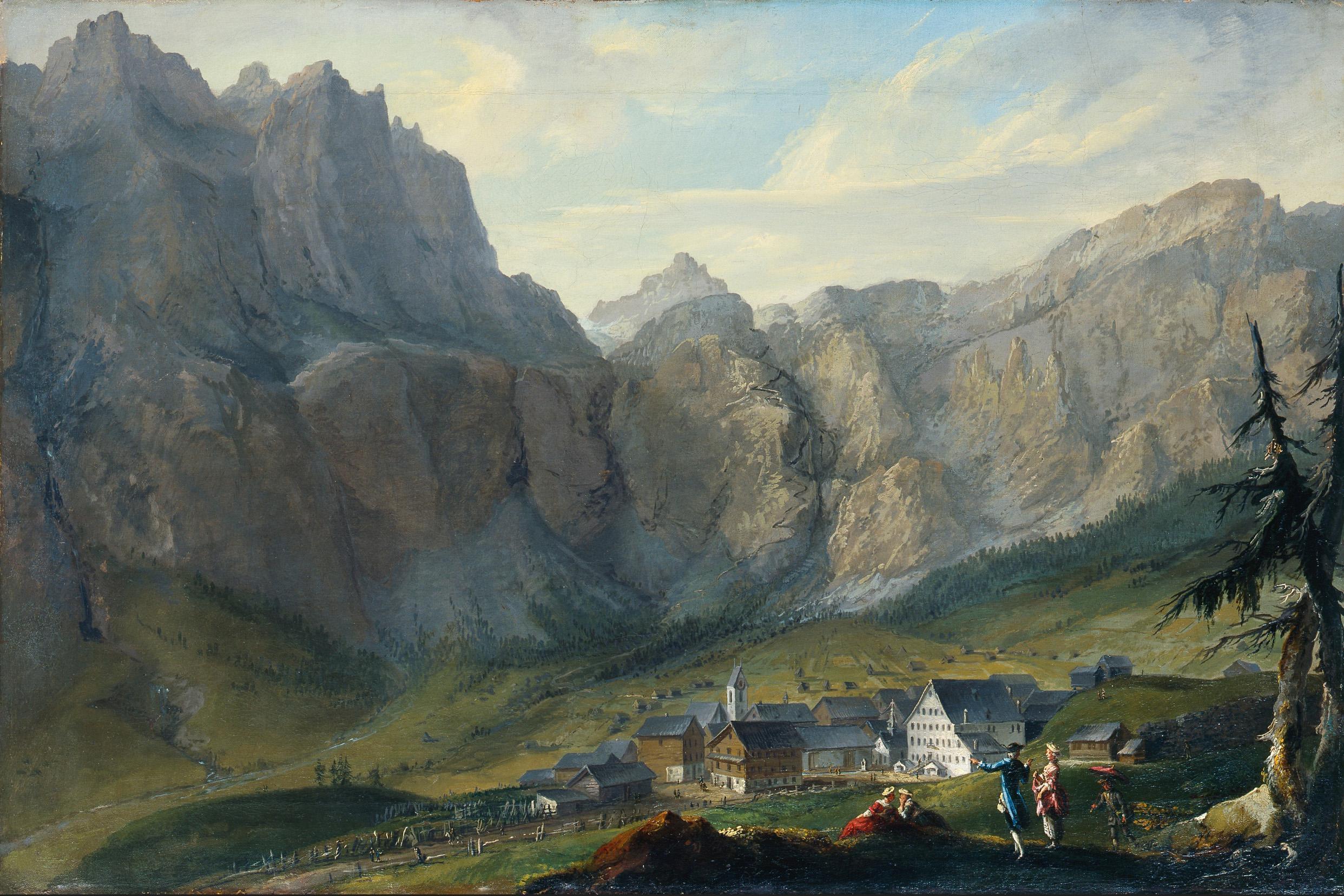
Caspar Wolf: “Leukerbad and the Gemmi Cliffs”, c. 1774–1777. © Valais Art Museum, Sion

The 21 festivals are presented in the order in which they open, from June to September. The contents below list them all and allow you to go directly to each entry, where you will find the dates, venues, artists and main highlights. Wishing you a wonderful summer of music!

GERMANY

June 5-June 14 – Halle Handel Festival

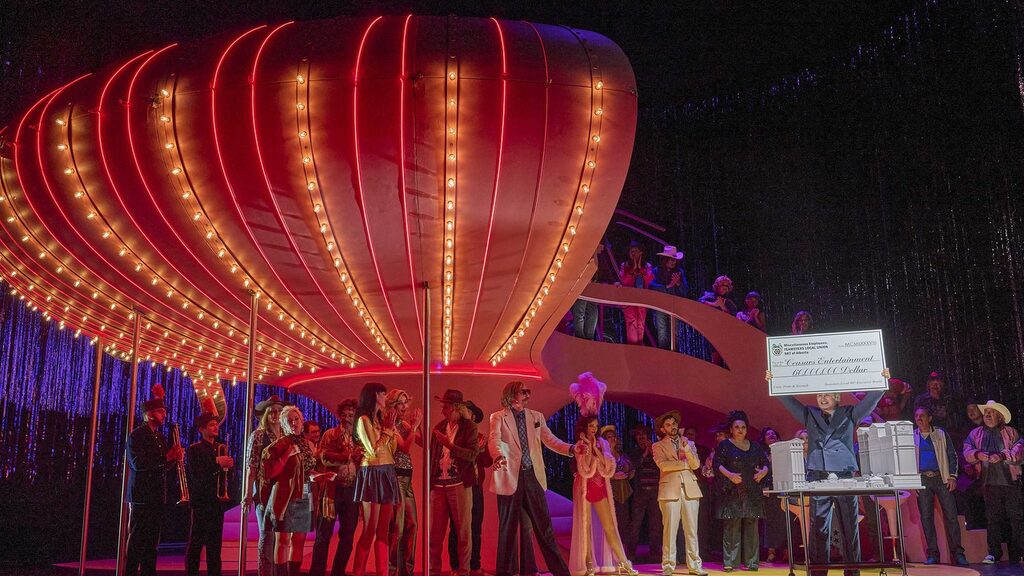
Handel Festival (Halle)

© Matthias Horn

Rinaldo Opens the Festival

From June 5 to 14, 2026

The 2026 Handel Festival in Halle will take place from June 5 to 14 and will open with Rinaldo, staged by Walter Sutcliffe under the musical direction of Michael Hofstetter. With more than 80 events spread across 27 venues, Halle remains one of the densest Handel festivals in existence. It is precisely this combination of opera, oratorio, chamber music, and contextual formats that defines the profile of this edition. The opening with Rinaldo immediately sets the tone for a programme that approaches Handel not as a museum object, but as living theatrical and contemporary material. The presentation of rarely performed operas, alongside large-scale oratorios such as Judas Maccabaeus, confirms this dual attention to the canonical repertoire and rediscovery. The 2026 edition thus presents Handel’s music in Halle both as a field of research and as a stage event.

June 7- June 12 – Cologne’s Romanesque Summer

Romanischer Sommer Köln (Cologne)

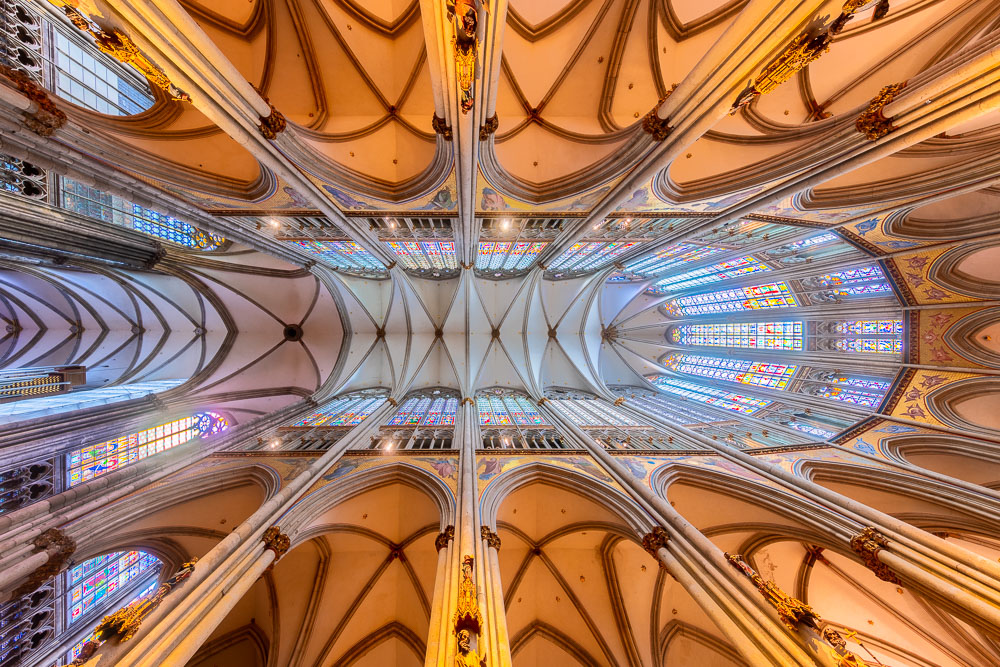
Low-angle view of the vault of Cologne Cathedral © Loïc Lagarde, 2022

“Breath”

From June 7 to 12, 2026

For more than thirty-five years, Romanischer Sommer Köln has set itself the mission of making music resonate within the exceptional architecture of Cologne’s twelve Romanesque churches, a living artistic treasure at the heart of the city. Unique in their density and diversity, these buildings are an integral part of Cologne’s identity and rank among the most significant religious complexes in Western Europe. During Romanischer Sommer Köln, these churches are transformed at the beginning of summer into sonic spaces open to musical experiences made particularly vivid by the architecture itself. Concerts and late-night encounters, international artists, and a deliberately open musical approach define the festival: world music, jazz, avant-garde, and early music interact with space, time, and architecture. Under the title “Odem,” meaning at once air, breath, respiration, and soul, the 2026 edition, taking place from June 7 to 12, will explore a musical spectrum ranging from the Renaissance to the modern era, notably featuring Vox Luminis, Ensemble Polyharmonique, and amarcord in a programme devoted to Josquin des Prez.

June 11-June 21 – Leipzig‘s Bachfest

Bachfest Leipzig

© Bachfest Leipzig

“In Dialogue”

From June 11 to 21, 2026

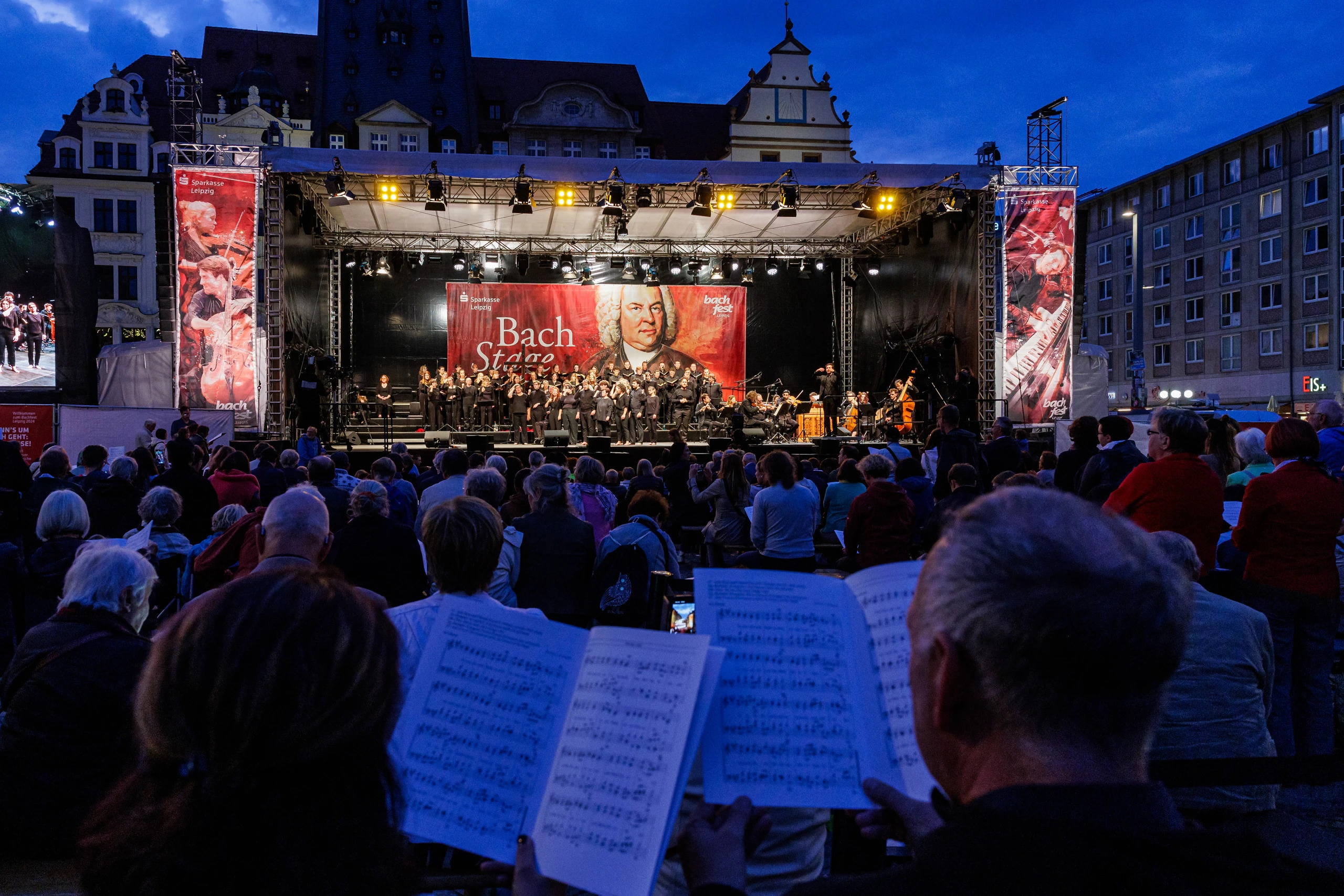
Bachfest Leipzig 2026 will take place from June 11 to 21 under the motto “Im Dialog” and will offer more than 200 events devoted to Bach and his world, in what was undoubtedly his most important place of work. This festival, which attracts visitors from around the world, will place particular emphasis on the cantatas, presented within the framework of the “TOP 50 Bach Cantatas” series. Added to this will be the major solo works and a cycle devoted to the Clavier-Übungen. Highlights include concerts in Leipzig sites closely associated with Bach, such as St. Thomas Church and St. Nicholas Church, as well as collaborations with the Gewandhaus Orchestra, the Thomanerchor Leipzig, and international Bach interpreters committed either to modern approaches or to historically informed practices. The motto “Im Dialog” thus emerges as a unifying thread linking the different groups of works, the performers, the urban setting, and the way Bach is heard and understood today.

June 12-June 28 – Potsdam Sanssouci Festival

Musikfestspiele Potsdam Sanssouci

© Stefan Gloede

“Light”

From June 12 to 28, 2026

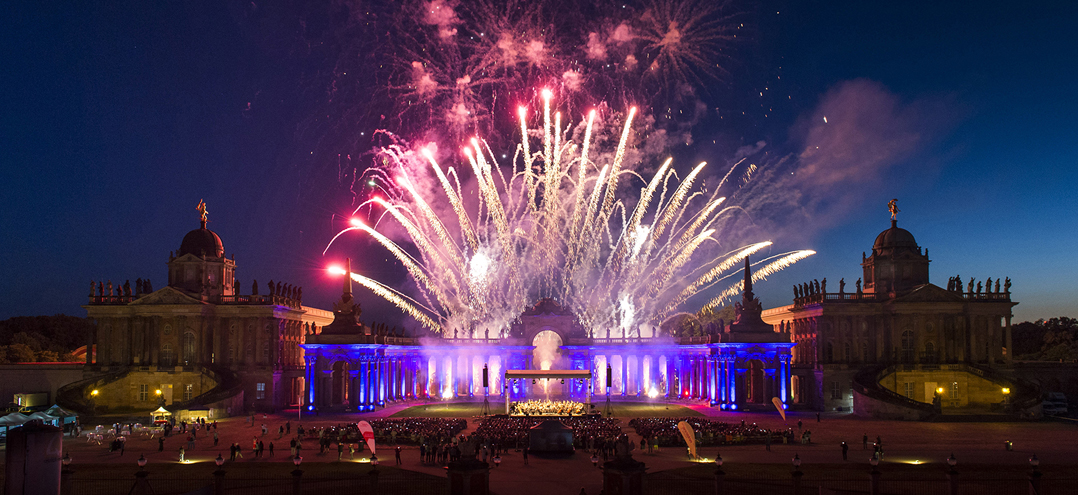
The 2026 Musikfestspiele Potsdam Sanssouci will take place from June 12 to 28 under the theme “Licht.” The festival remains faithful to its guiding principle: bringing early music, historic venues, and historically informed performance into dialogue. Its close relationship with the buildings and gardens of Sanssouci remains especially striking: these spaces do not merely frame the programme; they actively shape the listening experience. The major staged rarity of this edition will be Cefalo e Procride by Giovanni Bononcini, composed for Electress Princess Sophie Charlotte. The festival will also welcome Ensemble Correspondances under the direction of Sébastien Daucé, Il Pomo d’Oro, Nicolas Altstaedt, and Attilio Cremonesi, alongside Handel’s Il trionfo del tempo e del disinganno staged by Dorothee Oberlinger with Ensemble 1700. The traditional bicycle concert will once again offer several routes punctuated by performances.

June 14-August 30 – RheinVokal

RheinVokal (Rhineland-Palatinate)

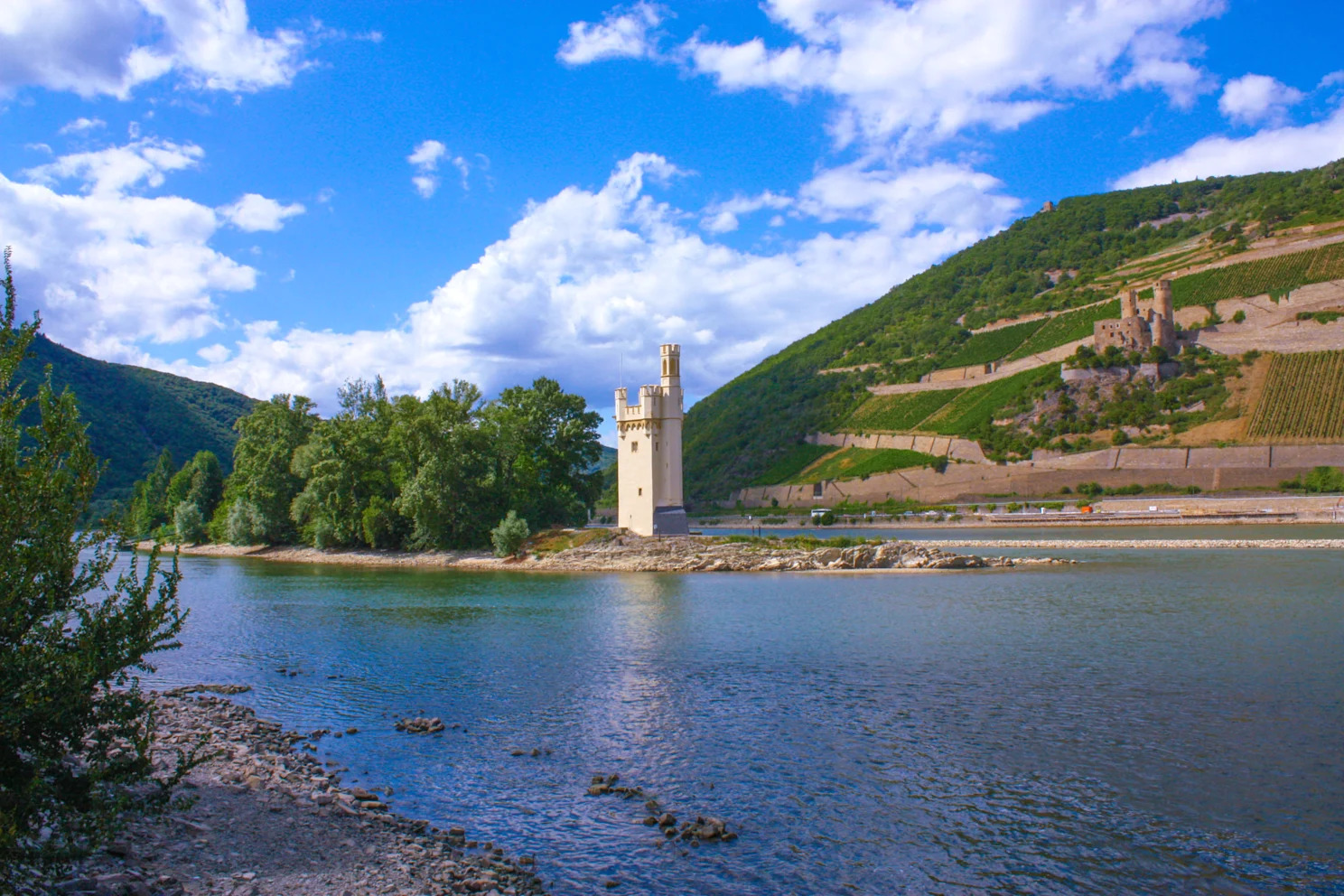
The Mäuseturm in Bingen © Tourist-Info Bingen

From Chanticleer to Rheinische Kantorei

From June 14 to August 30, 2026

From June 14 to August 30, RheinVokal will present vocal music from the Renaissance to the present day, with a significant focus on early music, in concert halls throughout the Middle Rhine region. At the heart of this initiative lies a highly open approach to vocal art. The programme will notably feature Il Pomo d’Oro, Marie-Sophie Pollak, and Max Volbers in Purcell, Charpentier, Handel, and Vivaldi; Chanticleer in Renaissance motets and American songs; Rheinische Kantorei in Bach motets at Maria Laach; La Venexiana in a programme centred on motets by the nuns of Meda and Caterina Assandra; The Tallis Scholars in Josquin des Prez and Palestrina; and The Gesualdo Six in Byrd and Gibbons. All of these offerings make RheinVokal a premier destination for historically informed vocal diversity.

June 19 -June 21 – Montalbâne

Montalbâne

© Montalbâne

“The Unknown”

From June 19 to 21, 2026

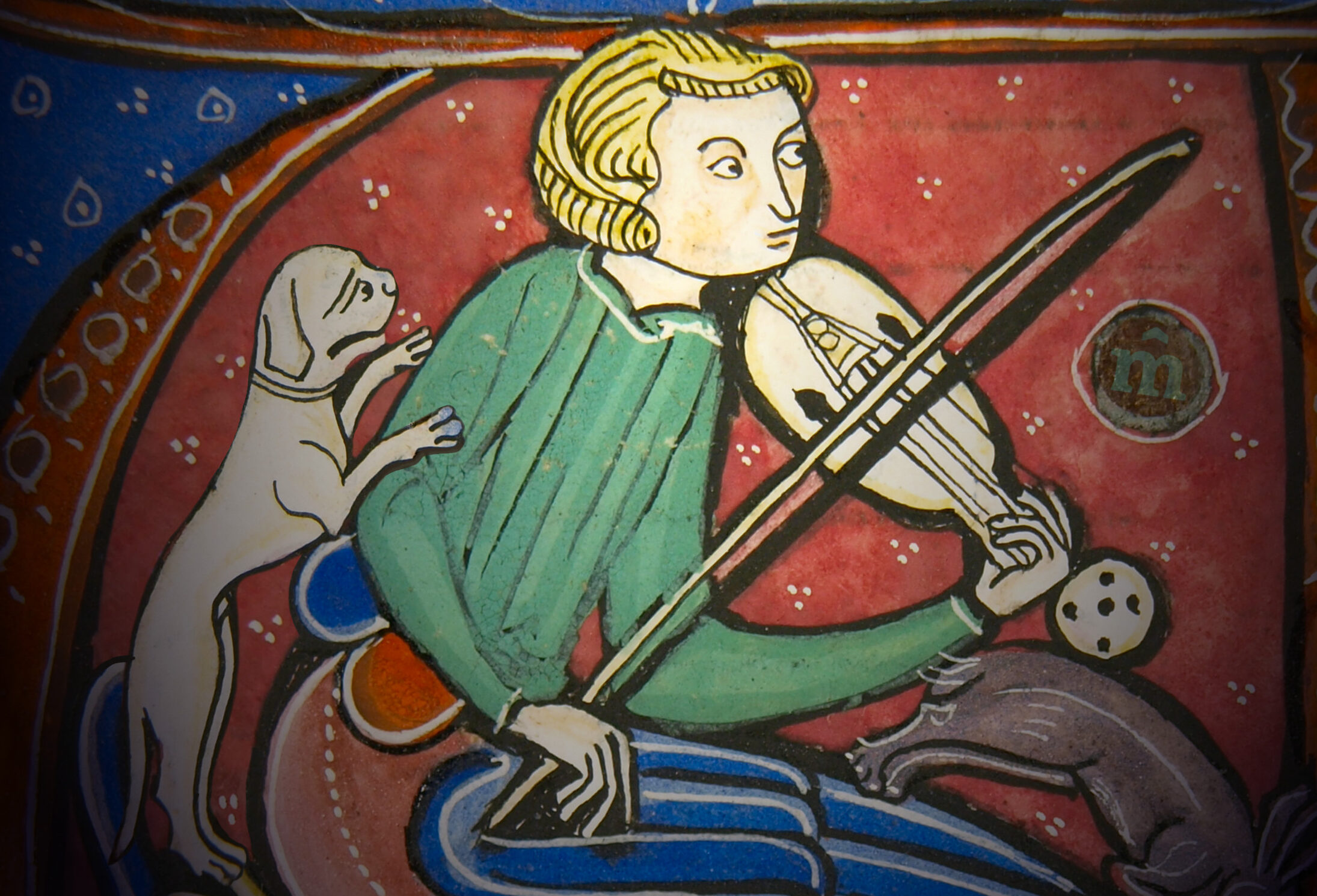
Montalbâne is an international medieval music festival that gathers a wide audience each year at the beginning of summer at Neuenburg Castle and St. Mary’s Church in Freyburg, Saxony-Anhalt. Founded by a group of musicians, the festival presents, over the course of a concentrated weekend programme, both major names and newcomers from the international medieval music scene in a convivial atmosphere. The festival is conceived less as a monumental event than as an intimate and practice-oriented gathering: a place of exchange between research and performance. In 2026, from June 19 to 21, the theme “Das Unbekannte” will open the way to approaches to the Middle Ages that are both experimental and attentive to sources. Audiences will notably hear Ars Choralis Coeln, Hirundo Maris, Astrophil & Stella, and The Fine Hand.

July 17-August 9 – European Sacred Music Festival

European Sacred Music Festival (Schwäbisch Gmünd)

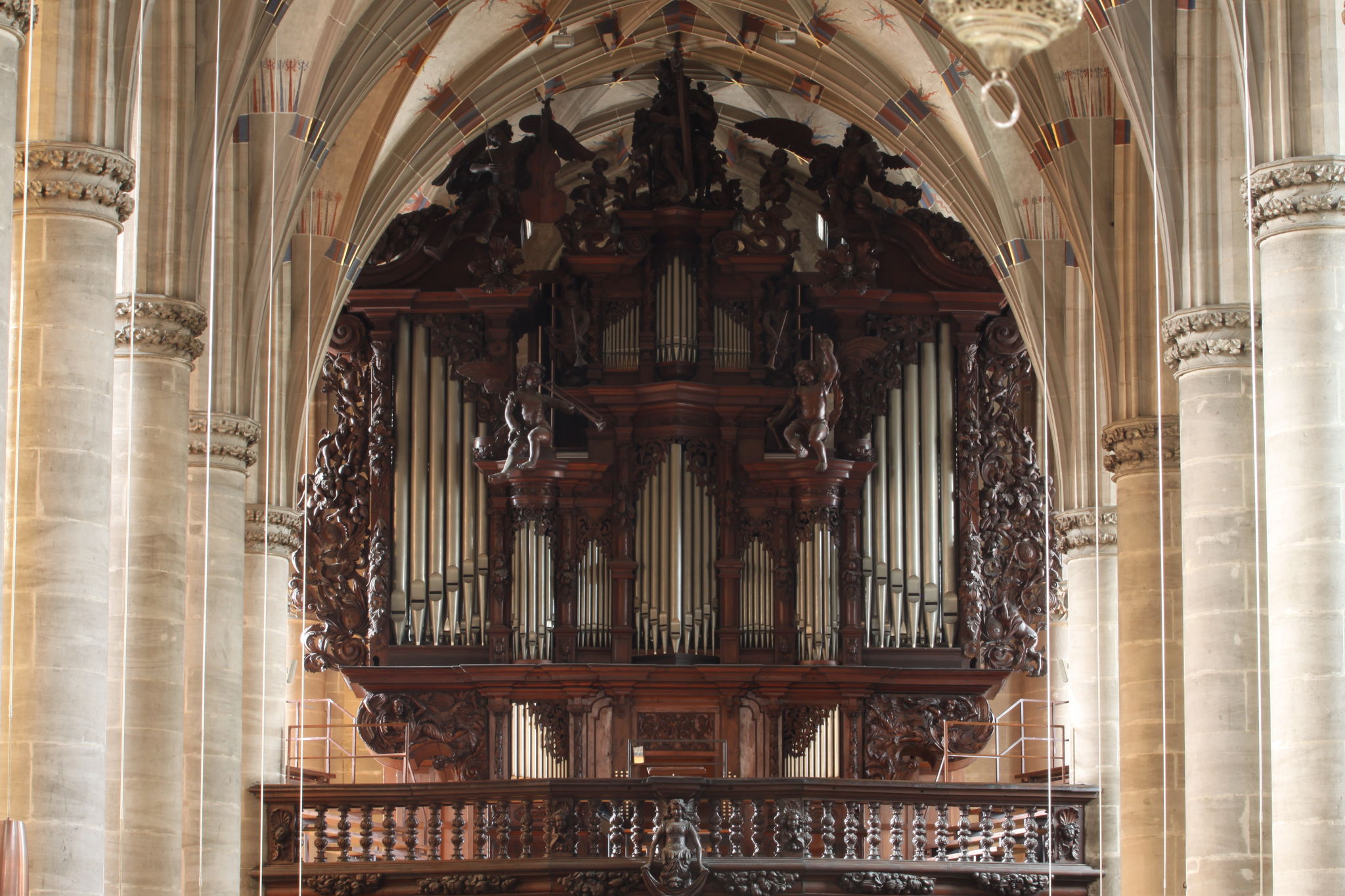
Münster organ © Hartmut Hientzsch

“Balance”

Du 17 juillet au 9 août 2026

Le Festival européen de musique sacrée de Schwäbisch Gmünd est un rendez-vous de grande envergure, qui s’étend de la musique ancienne à la création contemporaine et met en regard différents horizons sacrés et spirituels. Il intéresse particulièrement les amateurs de musique ancienne, car les instruments historiques, les répertoires baroques et les ensembles spécialisés y occupent régulièrement une place importante. En 2026, du 17 juillet au 9 août, le festival aura pour thème « Balance ». Le programme prévoit une quarantaine de concerts et d’événements parallèles, avec des ensembles et des solistes régionaux comme internationaux, parmi lesquels le Helsinki Chamber Choir, Leila Schayegh et Wayne Marshall.

August 15-September 4 – Bremen Festival

Musikfest Bremen

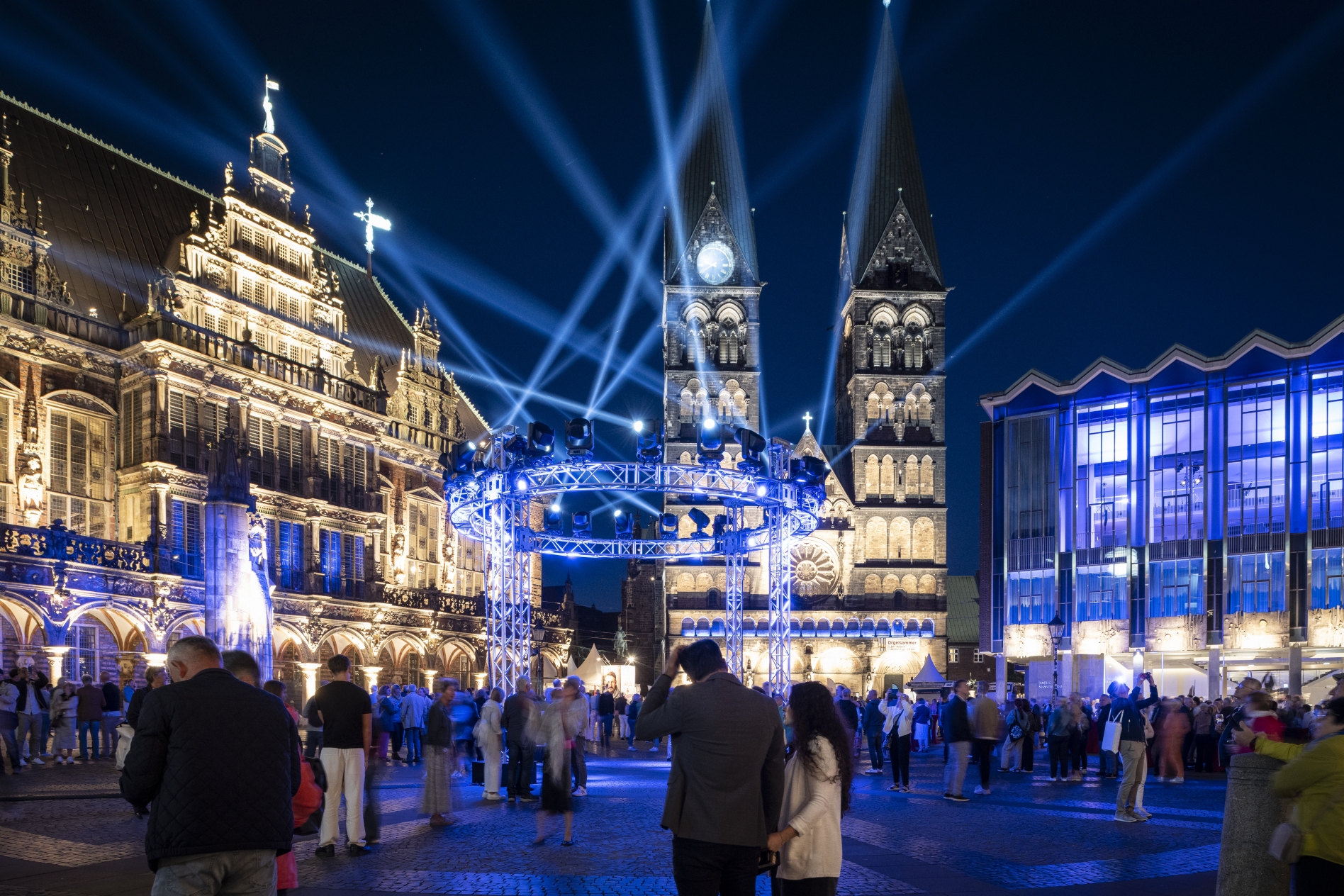
© Musikfest Bremen

Between Early Music and North German Organs

From August 15 to September 4, 2026

Musikfest Bremen 2026 will take place from August 15 to September 4 with more than 45 concerts ranging from the Renaissance to the present day. Early music occupies an important place alongside ensembles and orchestras using modern instruments, cross-disciplinary productions, and more open-ended proposals. The “Great Night of Music” on the market square will open the edition, while ensembles such as L’Arpeggiata and Il Pomo d’Oro will be among the anticipated highlights. A small festival within the festival, the Arp-Schnitger-Festival is of particular interest to early music lovers. It takes place in churches throughout the Bremen region equipped with Arp Schnitger organs or other historical instruments, and highlights not only organ music but also chamber and orchestral music from Schnitger’s era, particularly repertoire connected to the North German organ school.

August 29-September 27 – Cologne Forum

Forum Alte Musik Köln

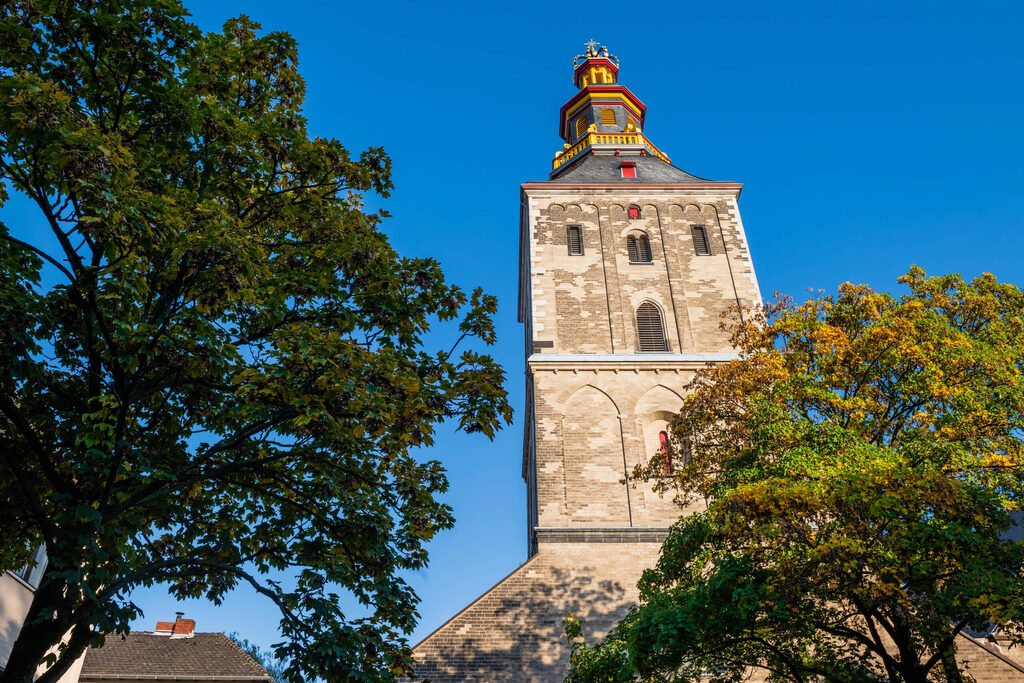
St. Ursula Church in Cologne © www.badurina.de

Heading to Dresden with Ensemble 1700

From August 29 to September 27, 2026

Since its creation in 1998, the Forum Alte Musik Köln concert series has aimed to provide a regular platform for leading ensembles from the early music scene. The 2026–2027 season, running from August 29 to September 27, will notably feature mezzo-soprano Kateřina Blížkovská, the Swiss ensemble Voces Suaves, Martin Sandhoff, the G.A.P. Ensemble, Midori Seiler, Xenia Löffler, Maria Henriette Reinhold, the Batzdorfer Hofkapelle, and the vocal ensemble Stile Antico. Beginning on September 17, Ensemble 1700 and Dorothee Oberlinger will open the season with “Per Dresda,” a programme devoted to works by Jan Dismas Zelenka and Antonio Vivaldi.

August 30-September 6 – Bach Days (Köthen)

Köthen Bach Festival Days

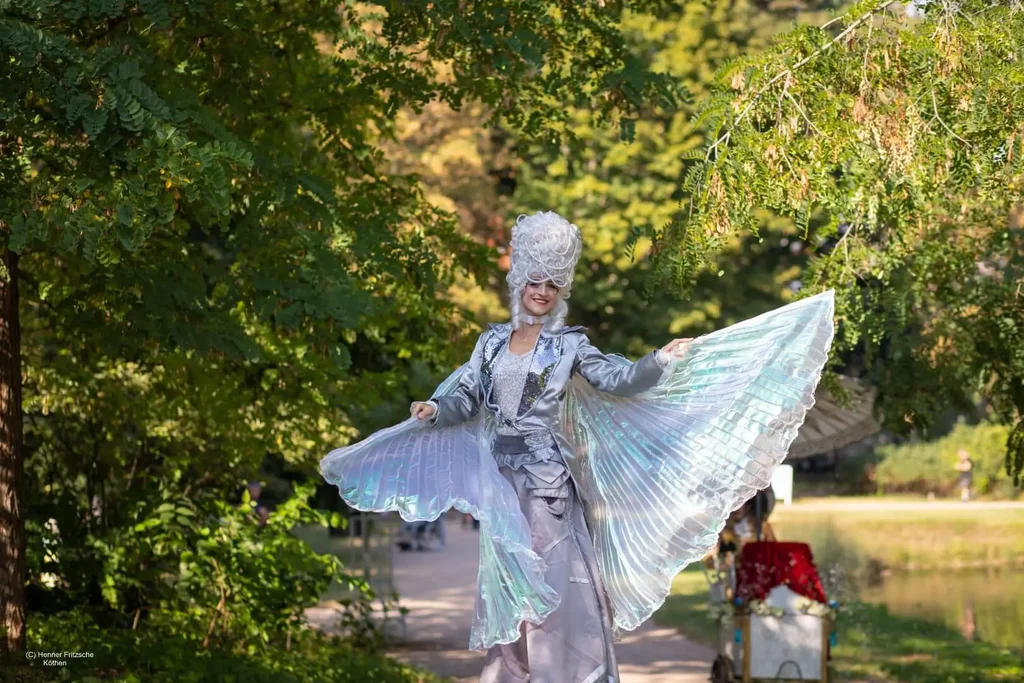
© Henner Fritzsche

“Conviviality”

From August 30 to September 6, 2026

The Köthen Bach Festival Days pay tribute to Johann Sebastian Bach’s time at the Köthen court through a broad range of concerts, services, lectures, and open-air events. The emphasis is placed on community and diversity, around a vision of Bach’s music extending from canonical repertoire to more inventive proposals. In 2026, from August 30 to September 6, the theme of conviviality will stand at the centre of the programme, with around forty events. Among the announced highlights are Miriam Feuersinger and the Köthener BachCollektiv in the opening concert “Über die Gemeinschaft,” Jean-Guihen Queyras performing the Cello Suites, as well as free events in parks and live broadcasts.

September 4-September 13 – Bayreuth Baroque Opera Festival

Bayreuth Baroque Opera Festival

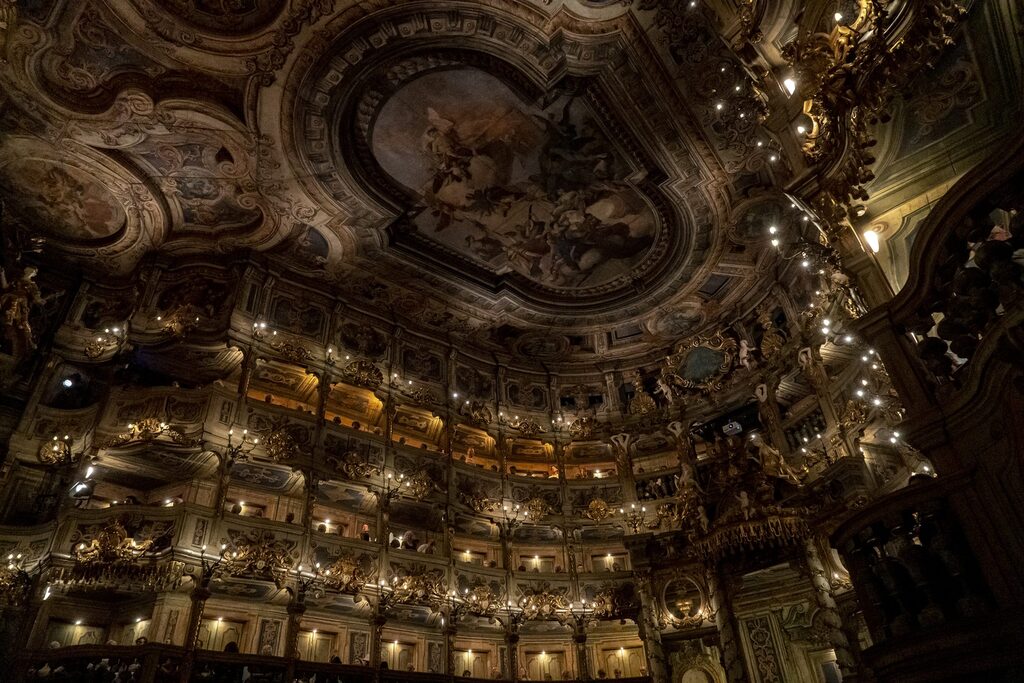
The Margravial Opera House in Bayreuth © Andreas Harbach

Handel’s Floridante and a Gala of Sopranos

From September 4 to 13, 2026

The 2026 Bayreuth Baroque Opera Festival will take place from September 4 to 13 and will focus above all on baroque musical theatre. The setting remains exceptional: the Margravial Opera House, a UNESCO World Heritage Site, gives the festival a powerful historical and aesthetic imprint. Staged productions, concerts, talks, and festive events will once again form the heart of the programme. For its seventh edition, the festival will present a new staged production: Handel’s Floridante, a rarely performed opera. The staging will be entrusted to Max Emanuel Cenčić, while conductor Markellos Chryssicos will be at the helm of the Wrocław Baroque Orchestra. The cast will notably include Max Emanuel Cenčić in the title role, Eva Zalenga, Sonja Runje, Bruno de Sá, Pavel Kudinov, and Yannis François. The festival will also present concerts by Christophe Dumaux, Julia Lezhneva, and the programme The Sopranos, featuring Federico Fiorio, Maayan Licht, and Dennis Orellana. Other events will take place across various venues in Bayreuth, including a “Caesar meets Rodelinda” gala with Andreas Scholl and Emőke Baráth, as well as recitals by Maximiliano Danta and Petr Nekoranec.

September 19-September 26 – Early Music Days (Knechtsteden)

Early Music Days (Knechtsteden)

© Festival Alte Musik Knechtsteden

“Strange, Fantastic”

From September 19 to 26, 2026

The Knechtsteden Early Music Days in North Rhine-Westphalia have long been associated with Rheinische Kantorei and Hermann Max. They bring the basilica of the former monastery to life through rediscoveries and major names from the early music scene, with a particular emphasis on baroque storytelling. In 2026, from September 19 to 26, under the theme “Unheimlich. Fantastisch.”, the festival will pay tribute to the 250th anniversary of E. T. A. Hoffmann’s birth. Highlights include concerts with Rheinische Kantorei under the direction of Edzard Burchards, Dorothee Oberlinger, Concerto Köln, Cappella Pratensis, as well as baroque motets and the cycling route Movimento.

September 25-September 27 – Thuringia’s Golden Autumn

Güldener Herbst Thüringen

© Güldener Herbst 2026 / TBM

“Echoes of the Homeland”

From September 25 to 27, 2026

Güldener Herbst is an annual early music festival in Thuringia that revives forgotten repertoires according to historical performance practices, often around changing themes and locations such as Gotha or Meiningen. At its core lies rediscovery, combined with culinary and sensory elements: a richly immersive journey into baroque worlds. In 2026, from September 25 to 27, the programme will revolve around musical, culinary, and sensory pleasures under the title “Heimat Klänge.” Among the highlights will be the commemoration of the 400th anniversary of Wolfgang Carl Briegel, composer and organist born in 1626.

[Dates to be announced] – Heinrich Schütz Festival

Heinrich-Schütz-Musikfest (Dresde)

© Heinrich-Schütz-Musikfest 2026

[Dates to be announced]

In October 2026, the Heinrich Schütz Music Festival will once again form a new network of festivals—both modest and refined—centered around Dresden and other locations connected to Schütz’s life and legacy. The focus is on the music of the German composer and his circle—that is, on a seventeenth century approached not merely as repertoire, but as a space for historical reflection. One of the festival’s defining features is its combination of high-level concerts with an accompanying programme including guided tours, readings, round tables, and presentations of source material. This gives the festival a clearly exploratory dimension without diminishing its character as a musical gathering. This interplay between venue, performance, and context is expected to once again be one of the Musikfest’s key strengths in 2026.

[Dates to be announced] – Via Mediaeval

Via Mediaeval (Rhineland-Palatinate)

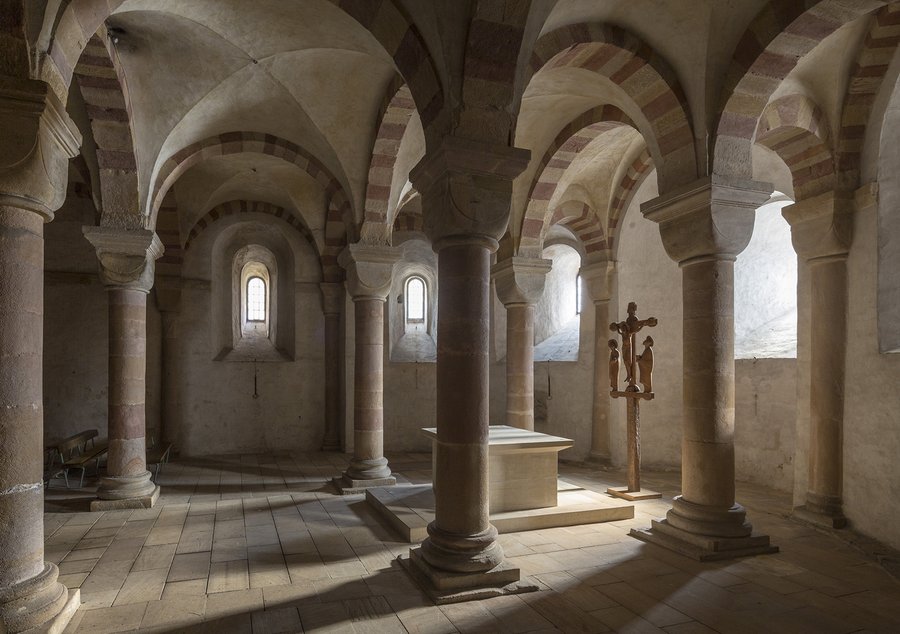
The eastern wing of the crypt in Speyer © Florian Monheim

[Dates to be announced]

Each year, from late summer into autumn, Via Mediaeval presents medieval music on weekends in various Romanesque churches and halls throughout Rhineland-Palatinate, sometimes in cooperation with its partner festival Voix et Route Romane in Alsace, which is based on a similar principle. The programming follows less the logic of a concentrated large-scale event than that of an in-depth exploration of medieval repertoires, ensembles, and architecture. This orientation particularly appeals to listeners interested in sources, contexts, and performance conventions. The geographical and temporal distribution of the concerts also attracts local audiences while introducing these repertoires to smaller towns often overlooked by major cultural circuits. The workshop-like character of the festival, through its formats, detailed programmes, and educational work, is one of its most distinctive traits. Masterclasses and the close connection between concert and transmission underscore the idea that musical practice should not merely be presented, but also understood. The result is less a conventional festival than a small-scale laboratory for experiencing and interpreting the Middle Ages.

AUSTRIA

June 26-July 26 – Styriarte

Styriarte (Graz)

© Styriarte 2026

“Games of Light”

From June 26 to July 26, 2026

For one month, from June 26 to July 26, Styriarte 2026 will be devoted to the theme of light under the title “Licht Spiele.” From the opening in the Attems Palace Chapel to Mozart’s Magic Flute in an arrangement for wind octet with Zefiro, through Haydn’s Creation, string quartets, jazz, family concerts, and Mahler’s Second Symphony, the festival will unfold an exceptionally broad programme. Early music is not its sole focus, but several events should interest lovers of the repertoire, notably the closing weekend concerts with Jordi Savall devoted to the earliest forms of baroque music and to the European legacy of Charpentier’s Te Deum.

July 24-August 30 – Innsbruck Festival

Innsbrucker Festwochen der Alten Musik

© Innsbrucker Festwochen der Alten Musik

The 50th Anniversary Edition

From July 24 to August 30, 2026

The Innsbruck Festival of Early Music will celebrate its 50th anniversary in 2026, with performances from July 24 to August 30. This anniversary edition once again underscores Innsbruck’s long-standing role as a major centre for historically informed performance, with a particular emphasis on opera, concerts, and baroque forms of musical theatre. Pietro Antonio Cesti’s opera Il pomo d’oro will constitute the major highlight of the edition. For the occasion, Ottavio Dantone has reconstructed the missing sections from fragments and other works by Cesti, allowing this festive work to be heard in its entirety for the first time since its premiere. The production will be staged by Fabio Ceresa. These performances at the Tiroler Landestheater will be accompanied by more intimate concerts at Ambras Castle, along with other concerts, workshops, and open-air formats in churches and halls throughout the city centre. This is precisely where the appeal of the Innsbruck Festival lies: to combine large-scale Baroque productions with a very specific historic venue and a strong commitment to philological accuracy.

August 14-October 24 – Sankt Pölten Festival

Barock Festival Sankt Pölten

© Radiokulturhaus Wien / St. Pölten

“The Embrace of the World”

From August 14 to October 24, 2026

The Barock Festival St. Pölten combines music, literature, dance, and art within the city’s historic venues, such as the cathedral and the former synagogue, through an interdisciplinary and open conception of the baroque. Under the artistic direction of soprano and countertenor Alois Mühlbacher, this year’s festival, running from August 14 to October 24, will present a programme of early music featuring Martin Haselböck and the Wiener Akademie, Ensemble Castor, and Jupiter Ensemble, alongside a baroque dance workshop and a “Baroque Lounge” evening. In 2026, the festival will celebrate its 20th anniversary under the theme “Die Umarmung der Welt.”

August 21-August 23 – Aussee Baroque Days

Ausseer Barocktage

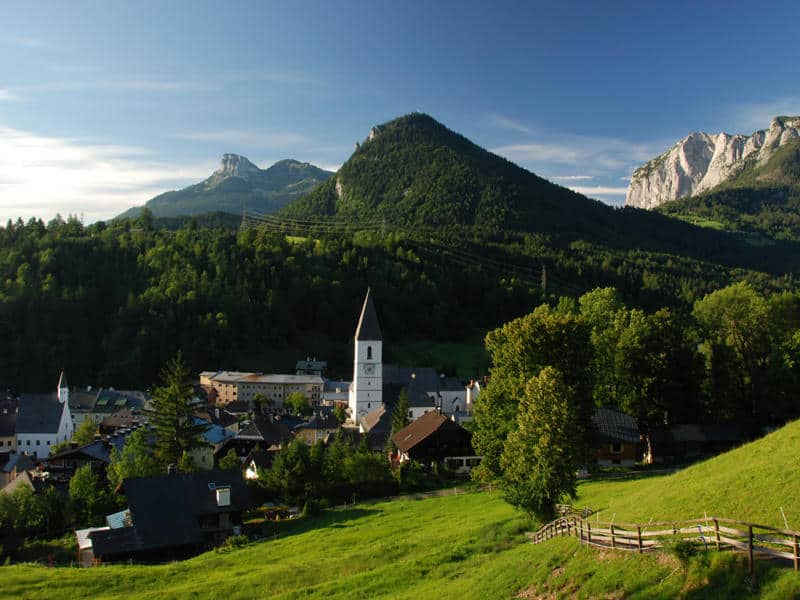
The town of Bad Aussee and St. Paul’s Church © 365 Austria

“Baroque Sounds of the Alps”

From August 21 to 23, 2026

Small but refined, the Ausseer Barocktage have taken place for ten years over one August weekend in Austrian Styria. The 2026 edition will run from August 21 to 23 and will feature only three concerts. The emphasis is placed on artists connected to the region and on musical encounters that situate the baroque within a living Alpine framework. The 2026 programme, under the banner “Barocke Alpeklänge,” will notably feature Fahmi Alqhai and Alba Carmona, Renate Linortner and Aniela Frey with Toni Burger, Sebastian Rastl and Robert Schröter, as well as Concerto di Margherita in Das blinde Spiel.

SWITZERLAND

August 21-August 23 – Muri Barock

Muri Barock

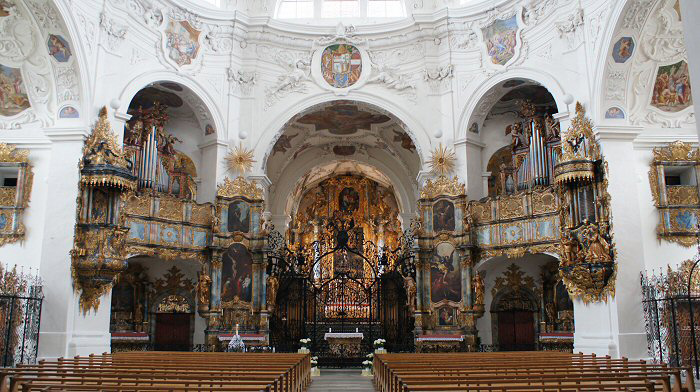
Interior of the baroque church of Muri Abbey © Familie Gerhard Eichinger

Tribute to Johann Melchior Gletle

From August 21 to 23, 2026

This small Swiss festival transforms the baroque church of Muri Abbey, near Zurich, into a meeting place for the international early music scene, with large ensemble concerts in the octagon, more intimate chamber music in the cloister and choir, as well as a musical banquet. The 2026 edition, from August 21 to 23, will notably include a musicological conference organised in collaboration with the University of Geneva in the Singisen Hall devoted to Johann Melchior Gletle, marking the 400th anniversary of his birth. A concert dedicated to Gletle will be performed on August 23 by Voces Suaves and Les Cornets Noirs. The programme also includes Apollo’s Cabinet, musica ALchemica, Ensemble Brezza, AUXantiqua, and Fedeli.

August 16-September 6 – Thun Bach Week

Bachwochen Thun

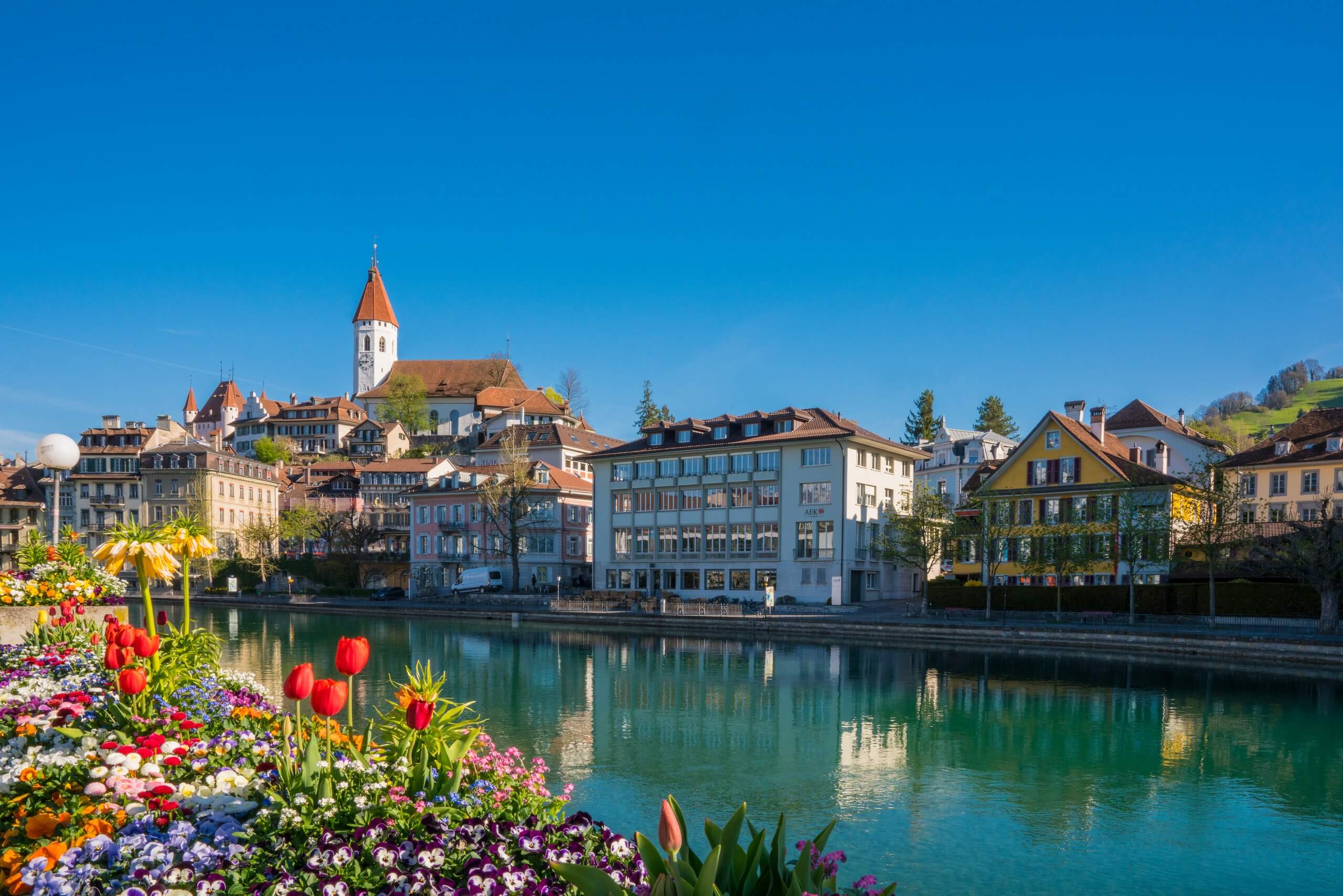
Shore of Lake Thun © Thunersee

Music and Brunch Concerts

From August 16 to September 6, 2026

The Thun Bach Weeks combine the celebration of Bach with a deliberately open festival concept: alongside baroque music, the programme includes interdisciplinary formats, support for young talent, and strong regional roots. The festival’s singularity lies in the combination of concerts around Lake Thun and a program that presents Bach not as a static icon, but as a living source of inspiration. From August 16 to September 6, 2026, the festival will highlight the “young generation.” The opening concert with the Berliner Barock Solisten will underscore the place given to early music performance practice. Joining them will be Vital Julian Frey, Ellie Bauwens, and other artists specializing in the Baroque repertoire; courtyard concerts and brunch concerts will also form part of the programme.