


 From the study desk to the stage, from Boismortier to Fauré, Hervé Niquet has been pursuing for nearly forty years a sonic quest as rigorous as it is daring.
  By
By 


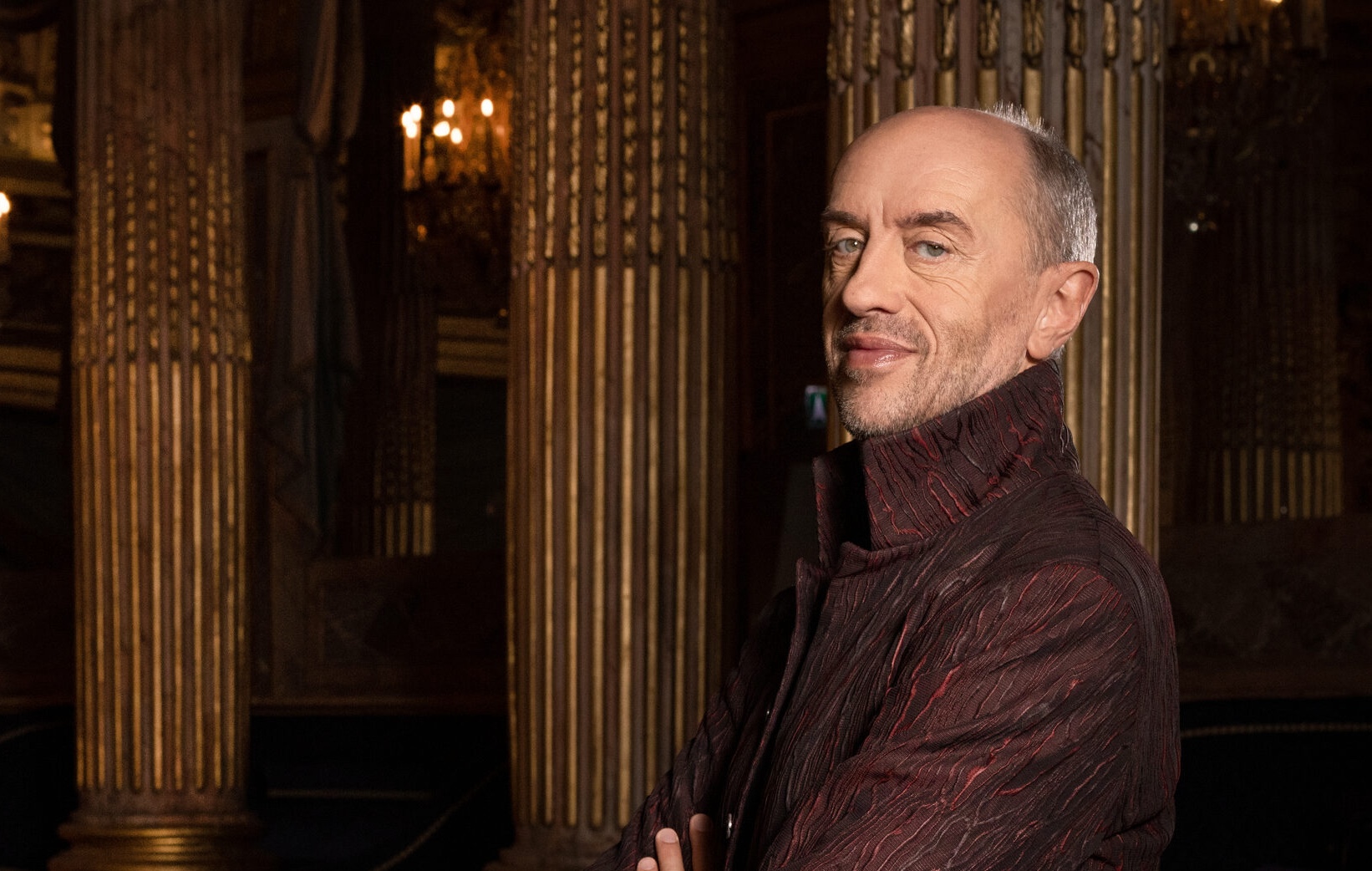
Since its inception in 1987 with a concert at the Louvre, Le Concert Spirituel has established itself as a laboratory for French and European early music. In collaboration with musicologists, instrument makers, and loyal performers, Hervé Niquet has led a radical approach: re-examining sources, reinventing instruments, challenging habits. As he is in the process of recording a baroque tetralogy for Alpha, the conductor looks back on the artisanal history of an ensemble that has become, over time, both a sound signature and a research collective.
How did you form Le Concert Spirituel?
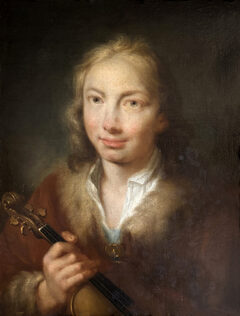
Hervé Niquet: It all started in 1987 thanks to Pierre Rosenberg, then Chief Curator at the Louvre in Paris. He was preparing an exhibition on the painter Fragonard and asked me: “Since you’re involved in music, don’t you have any ideas for small concerts?” I had a look around and found Don Quichotte chez la Duchesse by Boismortier. Why that one? Because I remembered Fragonard had illustrated one of the first French editions of Cervantes’ Don Quixote. It’s as simple as that. From there, I gathered all my friends from Atys, and that’s how it all began.
And how did the ensemble develop after that?
H. N.: I had an amateur choir, which gave Le Concert Spirituel a legal structure. And back then, there was room for another ensemble, so I thought: let’s keep going. The musicians needed work, the singers too. So, we carried on… and it worked. I managed to find a label: Adda. Then it was bought by Naxos, then Fnac Music, then Glossa, and so on. But I started out very modestly. And then there was Nicole Bru, founder of the Palazzetto Bru Zane, who remains our main sponsor to this day.
That’s lucky!
H. N.: It’s vital.
You’ve recorded a lot of sacred works, but in recent years, you’ve been more active in opera, especially with recordings. Is that a deliberate choice, a kind of shift?
H. N.: No, no, no. It’s always a question of finances, of research… and of bargain-hunting! The grand motet français is a financially crippling venture: two orchestras, a choir of soloists, a full chorus… There are fewer and fewer producers who can finance that. So, we turned towards what I call “medium motets”, or grands motets performed with a chamber set-up. We’ve toured and recorded a lot that way. But my world is opera. I grew up at the Paris Opera. Since the creation of the Palazzetto Bru Zane, I’ve recorded—in France and especially abroad—a huge number of operas and large symphonic works. Then Christophe Ghristi asked me to do Rameau’s Platée in Toulouse, Laurent Brunner commissioned Grétry’s Richard Cœur de Lion at Versailles, René Koering asked for Purcell’s King Arthur in Montpellier…
So, there’s continuity between grand motet and opera, since you link them aesthetically.
H. N.: These are the same composers.
Passionate about early music and want to read this subscriber-only article?
If you are not a subscriber, join the international Total Baroque community. Subscribe here from 5.00€.
I subscribe
If you are already a subscriber, sign in.
I sign in 

You must be logged in to be able to post comments.
Sign in