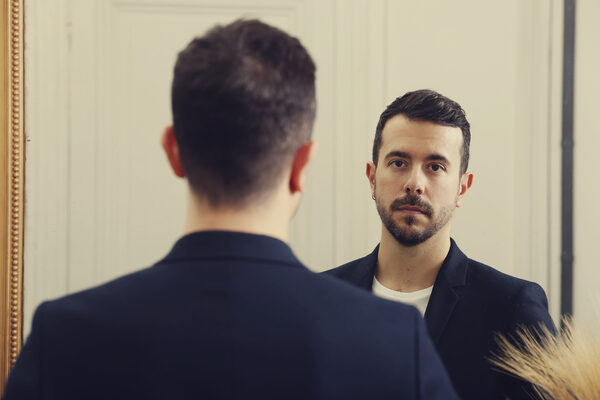
Interview
-
-
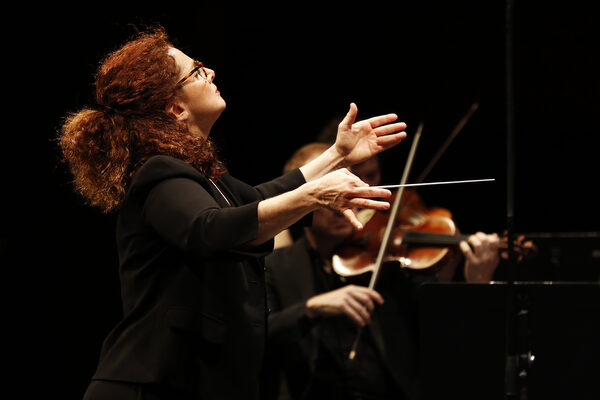 Le Concert d’Astrée
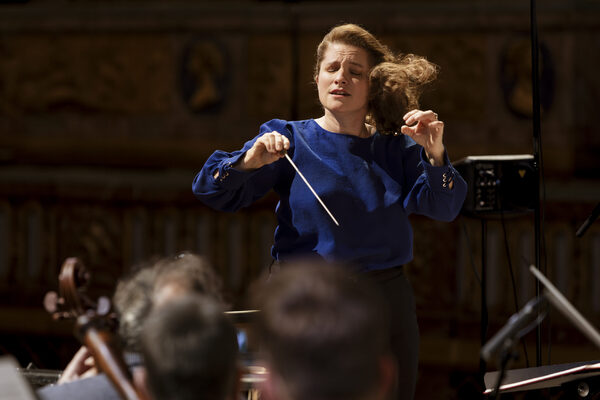
Emmanuelle Haïm: 25 Years of Astrée, Still Leading the Way
At the head of Le Concert d’Astrée for a quarter of a century, Emmanuelle Haïm remains one of the major figures on the international baroque scene. This year, in addition to a busy European season, she has taken on the artistic direction of the first Handel Project Festival, the fruit of a long collaboration with the LA Phil, while also being involved in educational initiatives in northern of France.
-
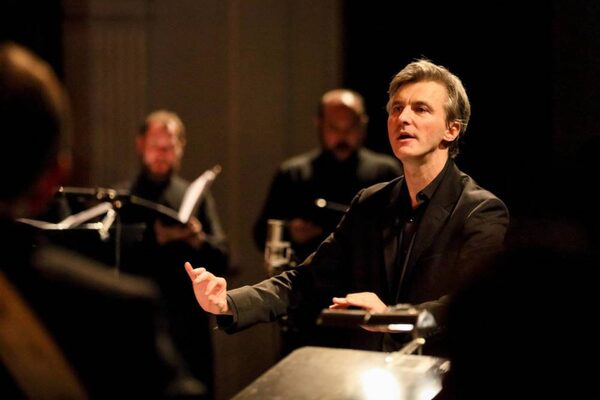 Le Poème Harmonique
Vincent Dumestre: Bach as performed at Christmas 1723
A first: after 27 years of activity and numerous recordings, Vincent Dumestre and his ensemble Le Poème Harmonique are taking on Johann Sebastian Bach for the very first time this December, with the Magnificat in its 1723 Christmas version. But they are not forgetting Italian music either, with a major 2026 project in Rome, Venice and Naples.
-
 Young Talents
Charlotte Spruit: Between Two Violins
Dutch classical violinist Charlotte Spruit only discovered the Baroque instrument at university, but now they’re linked for life. She looks back on this unexpected turning point, her first steps on gut strings, the momentum sparked by the Bach Competition, and how she now moves between Baroque and modern, refusing to choose one over the other.
-
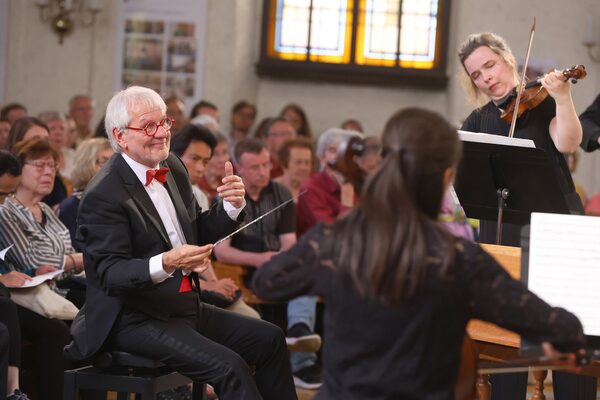 Baroque Masters
Reinhard Goebel: “I Don’t Miss the Violin!” (2/2)
Legendary violinist and founder of Musica Antiqua Köln, Reinhard Goebel now views the baroque world from a distance. Having moved to the podium of modern symphony orchestras, he remains driven by the same quest: to rediscover the logic of phrasing, and the hidden meaning within music.
-
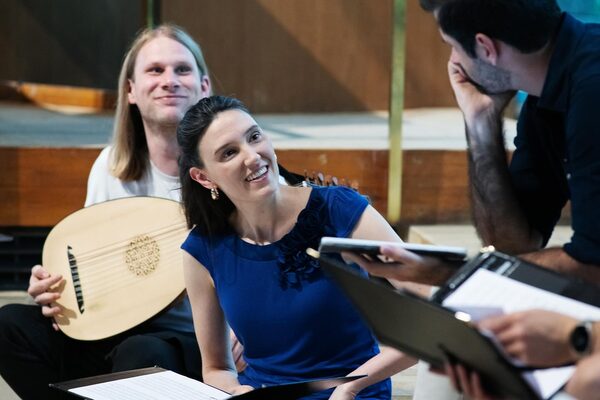 Ensemble Titan’s Rising
Giving early music its due in Berlin
Medieval and Renaissance music are rarely heard in Berlin—a city otherwise bursting with musical richness. Singer Sarah Fuhs and flutist Amanda Markrwick, with their ensemble Titan’s Rising, are trying, along with a few others, to change this situation.
-
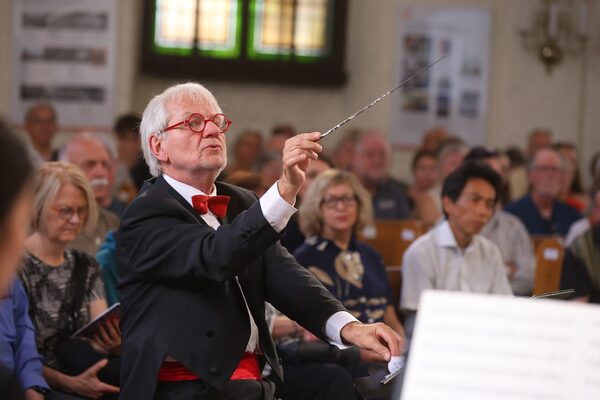 The Baroque Masters
Reinhard Goebel: “I Lived Through the Golden Years” (1/2)
Reinhard Goebel and Musica Antiqua Köln: these are names that still make every early music lover’s mouth water, synonymous with perfection in performance and exquisite repertoire choices. And even today, Reinhard Goebel never fails to bring something new to light…
-

-
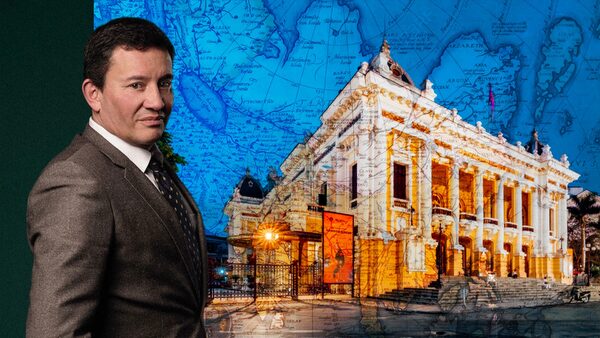 Laurent Brunner, cultural entrepreneur (2/2)
The “Soft Power” of Château de Versailles Spectacles
Laurent Brunner is taking Versailles to the world stage, from New York to Hanoi via Shanghai. In this second part of the interview, he explains how Château de Versailles Spectacles has built a unique model combining an in-house orchestra, an academy, and international touring.
-
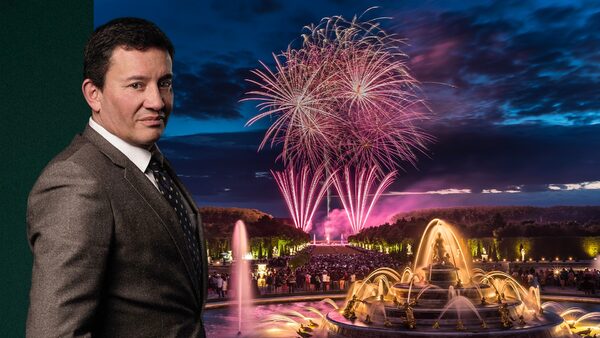 Laurent Brunner, Cultural Entrepreneur (1/2)
Château de Versailles Spectacles, heir to the Sun King’s celebrations
Between baroque music, the Grandes Eaux, courtly festivities and masked balls, Château de Versailles Spectacles is a private cultural enterprise with multiple activities that has made the famous palace a vibrant hub of initiatives.
-
-