


Articles
# TopicsAnniversary Baroque CD New Releases Early music festival Focus guests Heritage History interview music pictures of the Week Playlist of the week Portrait Presto Record of the month Records Report Video of the week Young talents
-
-

 A Summer of Baroque Opera (6/7)
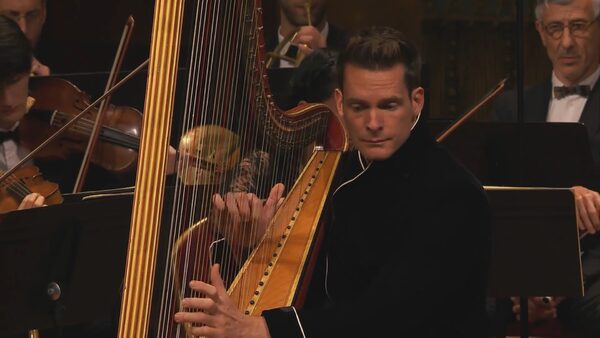
“Rodelinda” with Jeanine De Bique and Jakub Józef Orliński
At the Opéra de Lille, Handel’s “Rodelinda” regains its full dramatic power in a production staged by Jean Bellorini and conducted by Emmanuelle Haïm at the head of Le Concert d’Astrée. An intense Baroque drama now available to watch in streaming.
-
-

-
 Young Talents
Emmanuelle Dauvin, Baroque Music’s Unidentified Musical Object
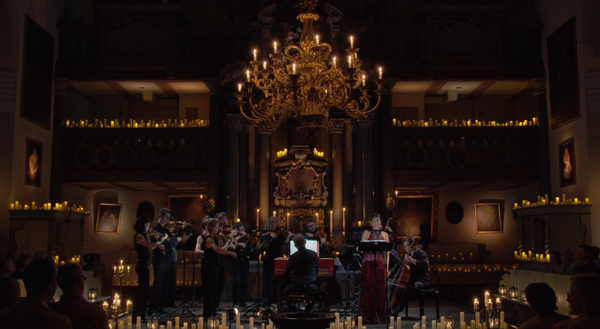
A duo for violin and continuo may sound conventional enough — except when a single musician performs both parts at once. With her violin beneath her chin and her feet on the organ pedals, Emmanuelle Dauvin has created a world entirely her own with OVNI Baroque. From 14 August, she will rejoin La Chapelle Rhénane at the Festival Bach en Tarentaise, before giving concerts in Rennes on 30 August and at the Utrecht Early Music Festival on 2 September.
-

-
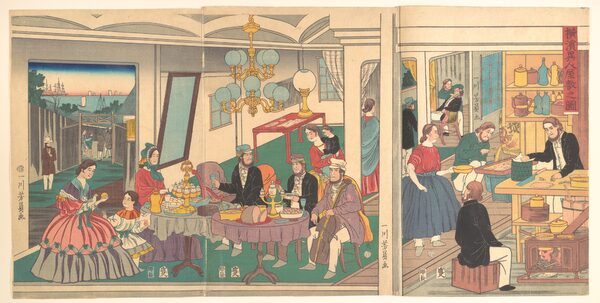 Baroque Music in Japan (2/2)
Baroque in Japan? The contemporary Japanese scene
After 1945, despite the dominance of a Germanic and Romantic model, Japan’s musical landscape gradually opened up to other horizons. Bach, Vivaldi, and Rameau found their place in an archipelago where concert halls, schools, radio, and even cafés played a decisive role. Here is the second instalment of a series chronicling a musical discovery in which the recorder takes center stage!
-
 A Summer of Baroque Opera (5/7)
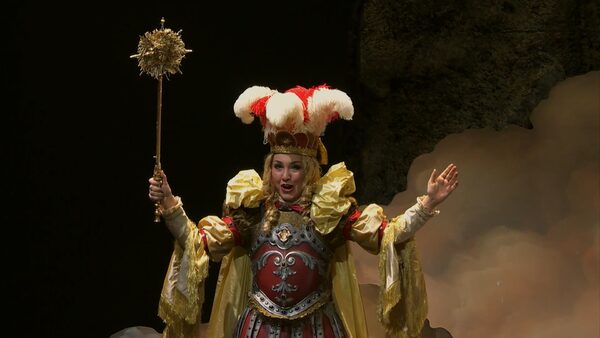
“Il Giasone” by Francesco Cavalli
Between heroism and comedy, Cavalli’s “Il Giasone” was the greatest operatic success of the seventeenth century. Rediscover this colourful Baroque fresco at the Grand Théâtre de Genève, in Serena Sinigaglia’s inventive staging, under the vibrant direction of Leonardo García-Alarcón.
-
-
-
 Young Talents
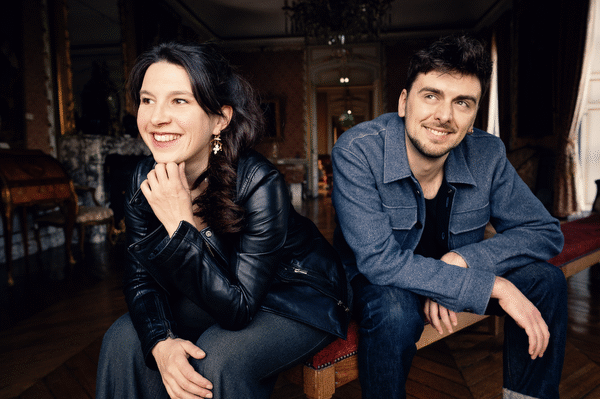
La Palatine: Baroque with a Rebel Spirit
From the court of Louis XIV to Barbara, the French ensemble La Palatine brings courtly airs and chanson, music and theatre into dialogue with rigour, wit and imagination. In January 2027, it will appear at the Salle Cortot in Paris in “Éros et Thanatos”, alongside French countertenor Rémy Brès-Feuillet, among others.
-
 The Great Baroque Libraries
Barocco Napoletano: Treasures from the Conservatorio San Pietro a Majella
Viva Napoli: nativity scenes and pizza, Maradona and music… But Naples is also home to Cimarosa, Pergolesi, Vinci, Leo, Porpora, Durante, as well as Jommelli and Gluck. These musical treasures from Naples’ Baroque libraries are awaiting to be (re)discovered !
