

# TopicsAnniversary Baroque CD New Releases Early music festival Focus guests Heritage History interview music pictures of the Week Playlist of the week Portrait Presto Record of the month Records Report Video of the week Young talents
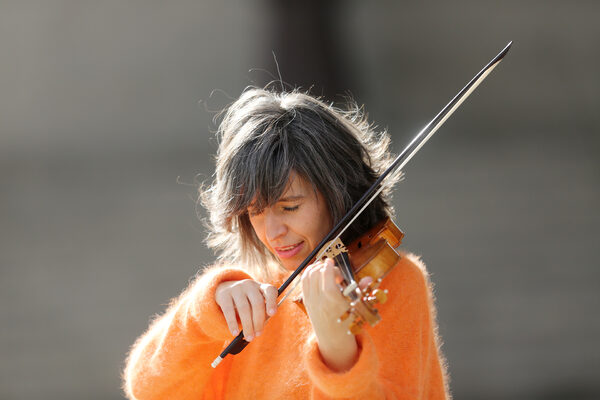
The recording of The Four Seasons by Amandine Beyer and her ensemble Gli Incogniti (released in 2008) is among the benchmark interpretations of Vivaldi’s work. For the violinist, this recording was anything but a closed chapter in a “sound museum”: it was a sensory shock, a door opening onto the unknown and, more recently, a choreographed playground.
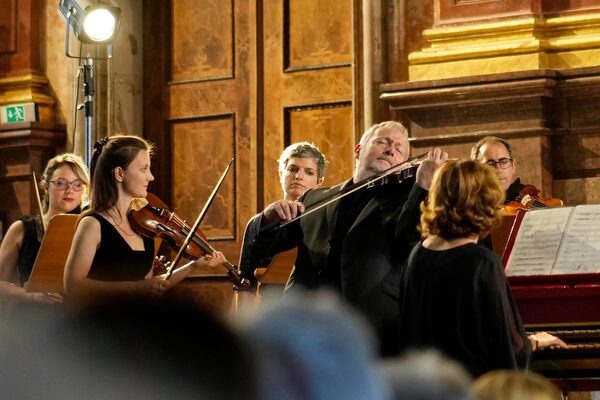
Fabio Biondi does not play Vivaldi: he makes Vivaldi speak through the violin. Between traditional Italian virtuosity and the finely crafted grammar of Baroque research, he has spent nearly fifty years defending the idea that music is a language rather than a mere question of tonality. We look back on a seminal encounter and his album of The Four Seasons, which went on to achieve international success.


Born in 1738 to a singer and a stage designer, Anna Bon led an unusually nomadic life across the musical Europe of the eighteenth century alongside her parents. From the Venetian Ospedale della Pietà to the Esterházy court, she moved on to the vibrant musical circles of the Tsarina’s court in St Petersburg and that of the Margravine of Bayreuth.
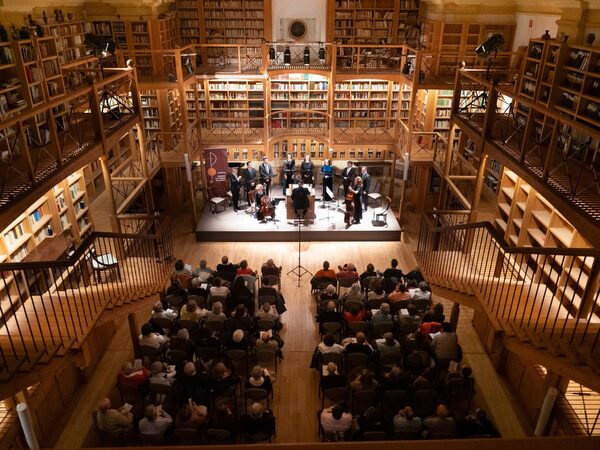

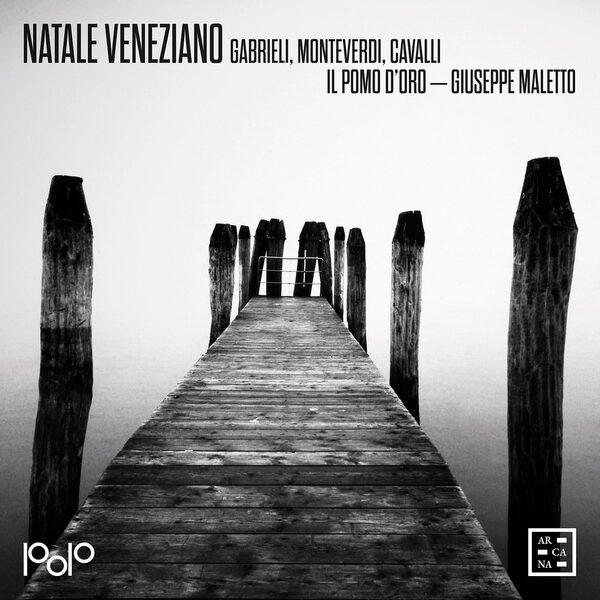
With Natale Veneziano, Giuseppe Maletto and the choir of Il Pomo d’Oro rekindle the splendour of Venetian Christmas music, balancing liturgical fervour with musical daring. A luminous journey into the worlds of Gabrieli, Schütz, Monteverdi, and Cavalli, revealing the boundless creativity of Baroque Venice.
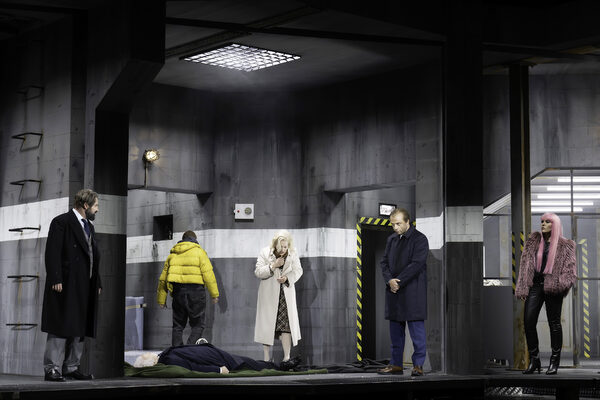
A cargo-bike ride, onstage brawls, bruises on the body and a lost contact lens: the final episode of Lucile Richardot’s Salzburg diary, during the rehearsals and the opening night of “Giulio Cesare” in the summer of 2025, holds a few surprises!

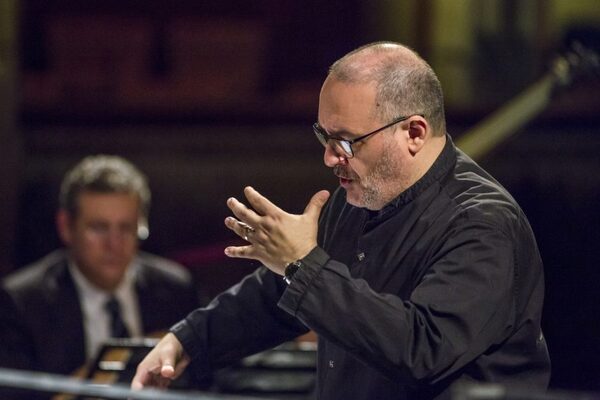
A part of unprecedented research, harpsichordist and conductor Rinaldo Alessandrini unveils a Neapolitan circle of composers gravitating around the musician-prince Gesualdo at the turn of the seventeenth century. A discovery that redraws the map of the Italian madrigal, revealed in his album “Stravagante pensiero”.