


 For this first week back after the summer break, our Images of the Week still carry a hint of summer: a look back at some of the highlights of early and Baroque music from July.
  By
By 


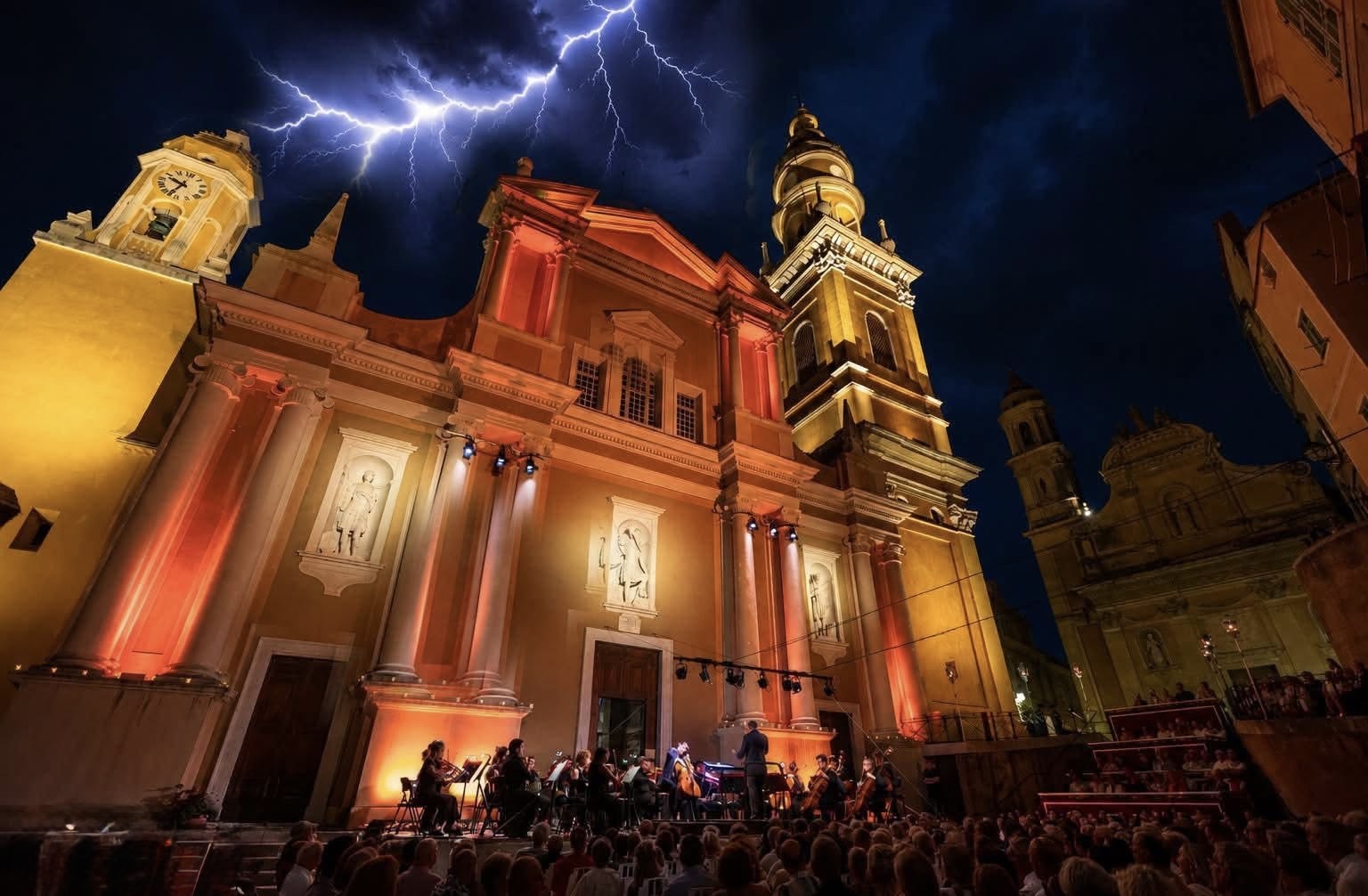
Menton: a festival with Jonathan Dunford and Jupiter, Emiliano Gonzalez Toro and I Gemelli
Despite a stormy opening night, the Menton Music Festival unfolded over two weeks with a programme spanning Classical and Baroque music, set against some of the city’s most beautiful backdrops, from the forecourt of the Basilica of Saint-Michel to the Palais de l’Europe and the Esplanade des Sablettes. One evening was devoted to Vivaldi in an almost Venetian setting, looking out across the bay towards Italy, with Ensemble Jupiter, Nicolas Altstaedt and Thomas Dunford. More than a concert, it became a genuine musical contest, with tenor Emiliano Gonzalez Toro and countertenor Maximiliano Danta answering and challenging one another in some of Vivaldi’s finest operatic arias, accompanied by Ensemble I Gemelli.
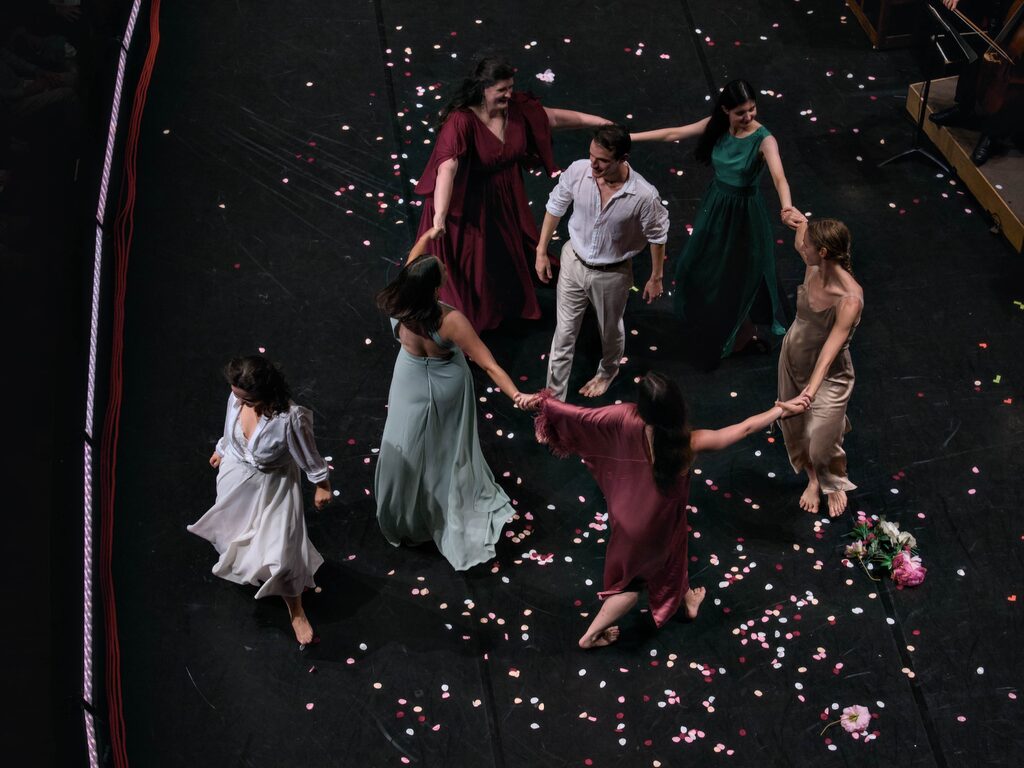
Toronto: Les Arts Florissants open the Summer Music Festival
Under the direction of William Christie, Les Arts Florissants opened the Summer Music Festival at Toronto’s Koerner Hall with a programme devoted to Charpentier, including a staged presentation of La Descente d’Orphée aux Enfers with four dancers. The ensemble also performed the work from which it took its name: Les Arts florissants.
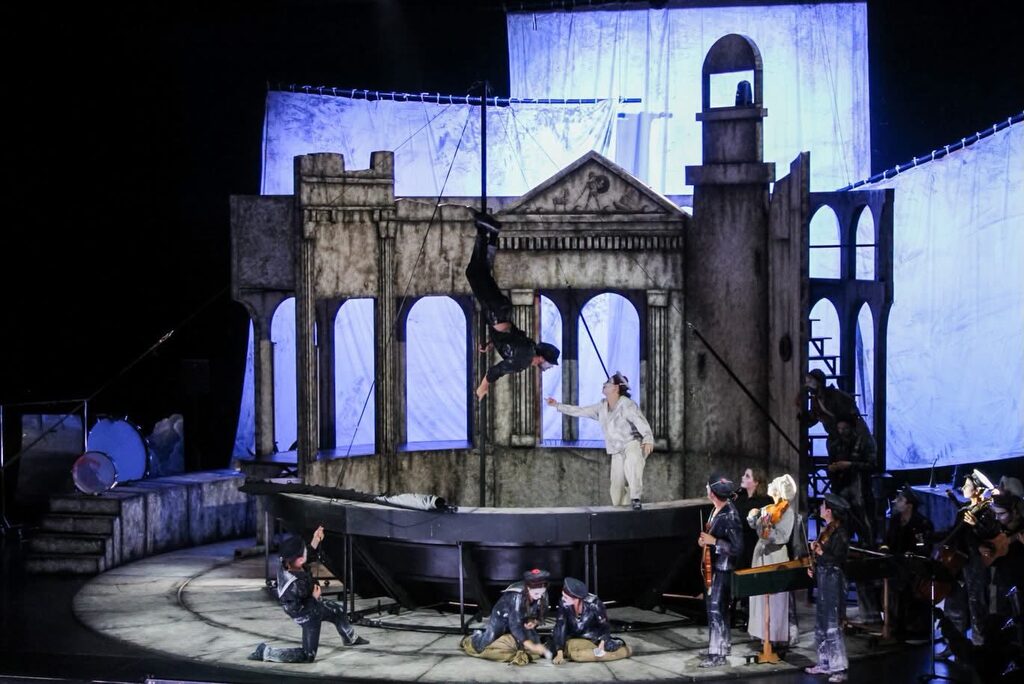
Montpellier: Dido and Aeneas at the Festival de Radio France
Dido and Aeneas, the new production by Les Surprises, conducted by Louis-Noël Bestion de Camboulas, played to a full house at the Opéra de Montpellier during the first week of the Festival de Radio France et Montpellier Occitanie. A true stage work combining music, theatre and dance, and exploring powerful themes such as passion, destiny and love, the production will travel this season to Málaga, Spain, and the Opéra National de Bordeaux.
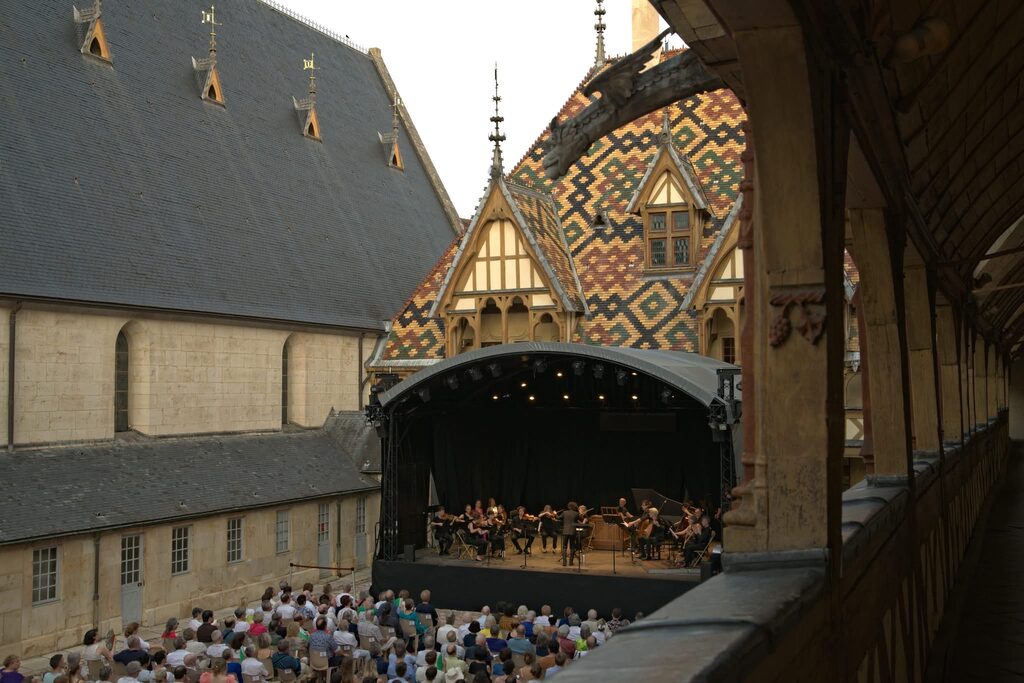
Beaune – Handel with Le Banquet Céleste
At the Hospices de Beaune, as part of the 44th International Baroque Opera Festival, Le Banquet Céleste continued its exploration of Handel’s early works with The Triumph of Time and Disillusion, following La Resurrezione in Beaune in 2025. In Rome in 1707, Handel was only 22, yet Il Trionfo already reveals a fully accomplished composer. Simon Proust, winner of the 2025 Victoires de la musique classique in the “Révélation chef d’orchestre” category, was the guest conductor for the occasion.
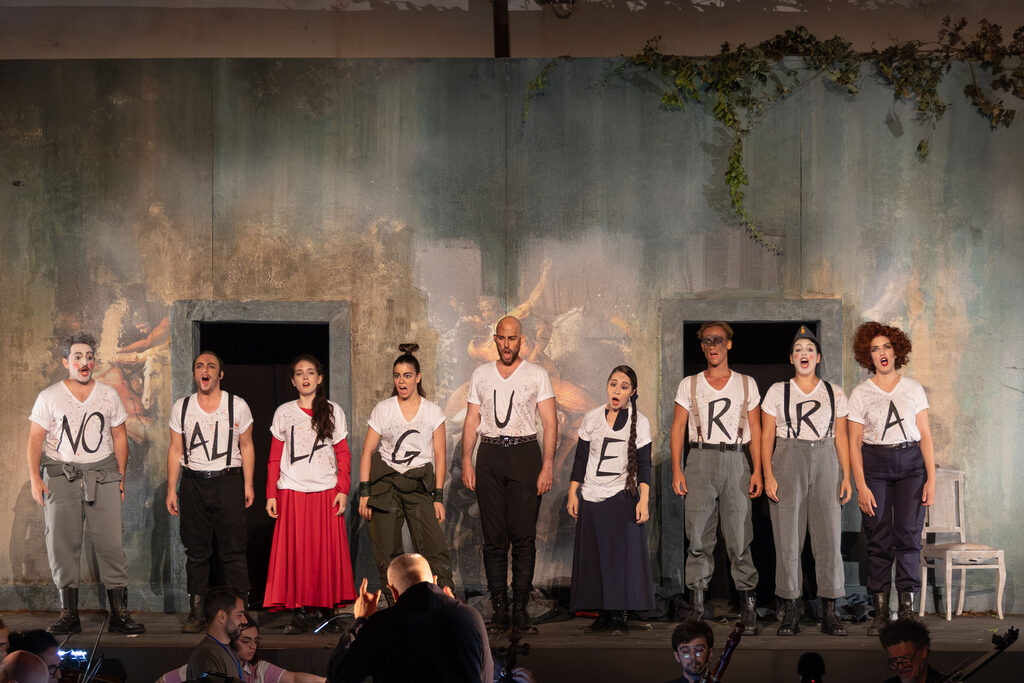
Martina Franca (Italy): a modern-day premiere at the Festival della Valle d’Itria
The 52nd Festival della Valle d’Itria in Martina Franca, in the heart of Puglia, presented at the end of July the first modern-day performance of Il schiavo di sua moglie (The Slave of His Wife), an opera by the Neapolitan composer Francesco Provenzale (1632–1704), to a libretto by Francesco Antonio Paolella. Composed to celebrate the arrival in Naples of the new viceroy, the Marquis of Astorga, the opera was performed in his honour at the Royal Palace in 1672. Loosely inspired by the ninth labour of Hercules, it tells of Greek heroes landing on the banks of the Thermodon, in the kingdom of the Amazons, who fall in love with them. A long succession of misunderstandings and disguises ultimately resolves itself in the customary happy ending of an opera that bears witness to the talent of Francesco Provenzale, one of the leading representatives of the seventeenth-century Neapolitan school. The performance in the cloister of the Carmine in Martina Franca was entrusted to Antonio Florio, who has played a major role in rediscovering Provenzale’s musical theatre and that of many other important Neapolitan composers. He conducted his ensemble, Cappella Neapolitana, together with a cast comprising Francesca Palitti, Lilliana Zolotoukhina, Francesca Lo Verso, Chiara Scannapieco, Angelo Testori, Michele Galbiati, Valerio Ilardo, Mauro Pedrero and Candida Guida, with artistic direction, staging and set design by Rita Cosentino.
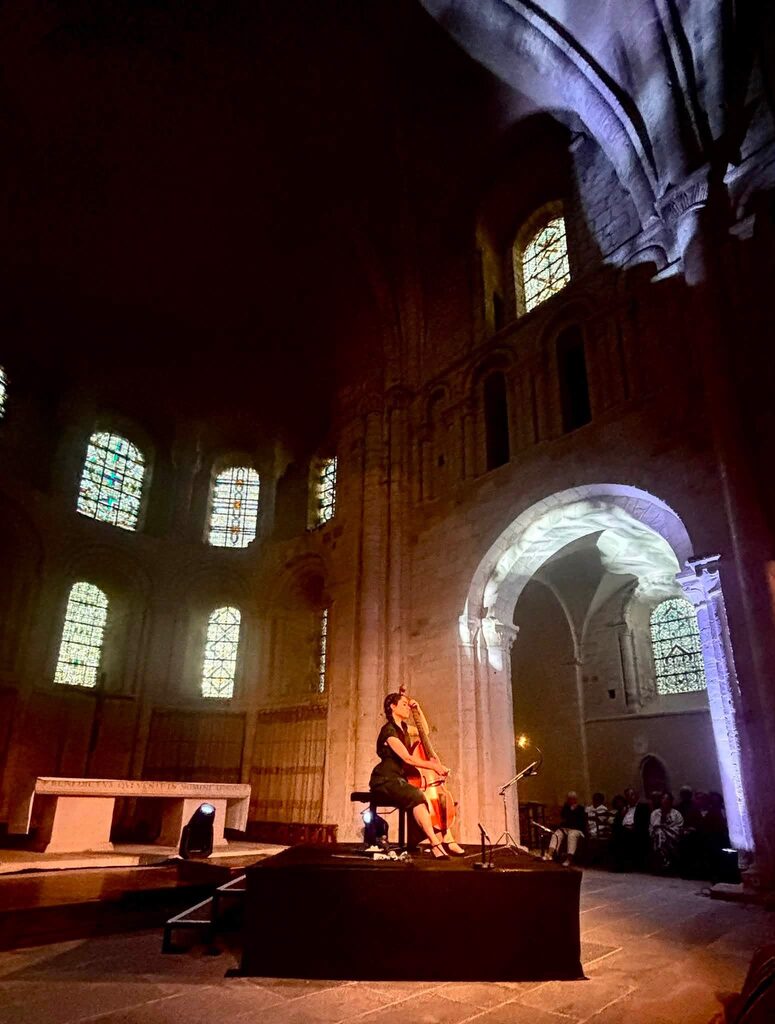
Lessay Abbey (France): carte blanche for Lucile Boulanger
At the Heures Musicales de l’Abbaye de Lessay in Normandy, where the viola da gamba took centre stage in this 33rd edition in 2026, Lucile Boulanger was given carte blanche. In a solo recital, she performed works by Marin Marais, Monsieur de Sainte-Colombe, J. S. Bach, Tobias Hume, Heinrich Biber and Carl Friedrich Abel.
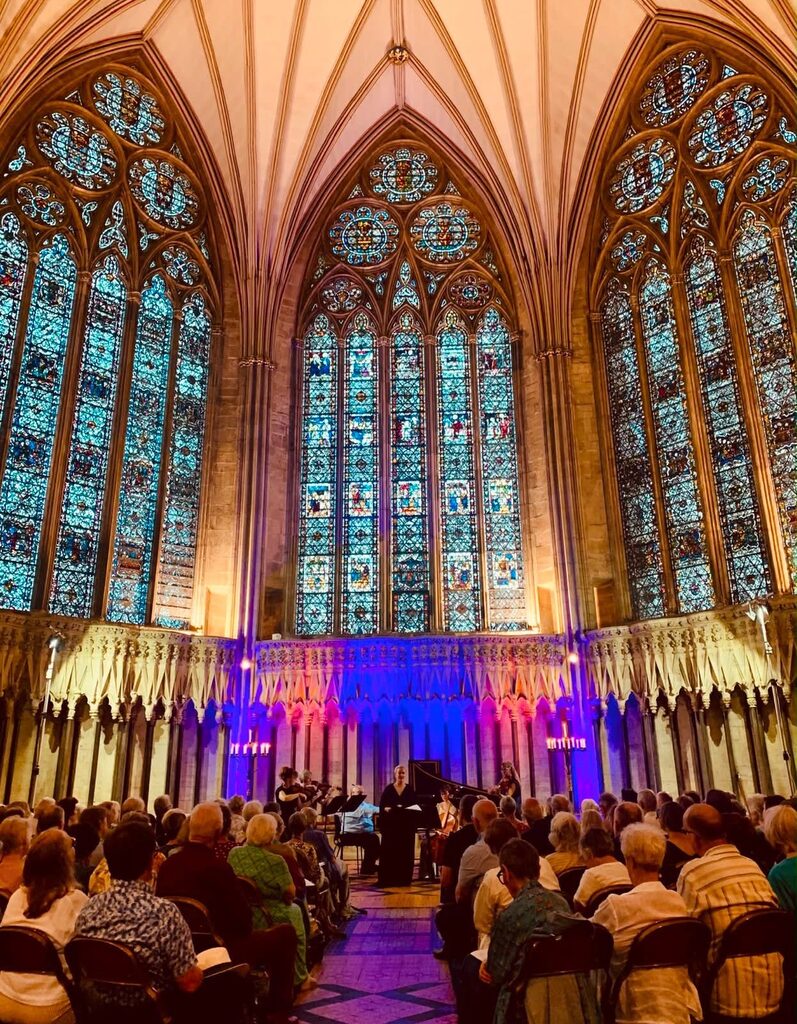
York (United Kingdom): the 50th edition of the Early Music Festival
The National Centre for Early Music in York celebrated the 50th edition of its festival in July. Founded in 1977, the festival has established itself as the leading early music festival in the United Kingdom, in turn inspiring the restoration of St Margaret’s Church in York in 2000 and the creation of the National Centre for Early Music (NCEM). Under the theme “Beyond Borders”, this anniversary edition opened with Monteverdi’s Vespers of 1610, performed by I Fagiolini, and closed with a memorable performance of Bruhns’s St Mark Passion by Solomon’s Knot. The programme also featured The Sixteen, B’Rock Orchestra & Vocal Consort and Imago Mundi. “Dowland Day” marked the 400th anniversary of one of England’s most celebrated composers.
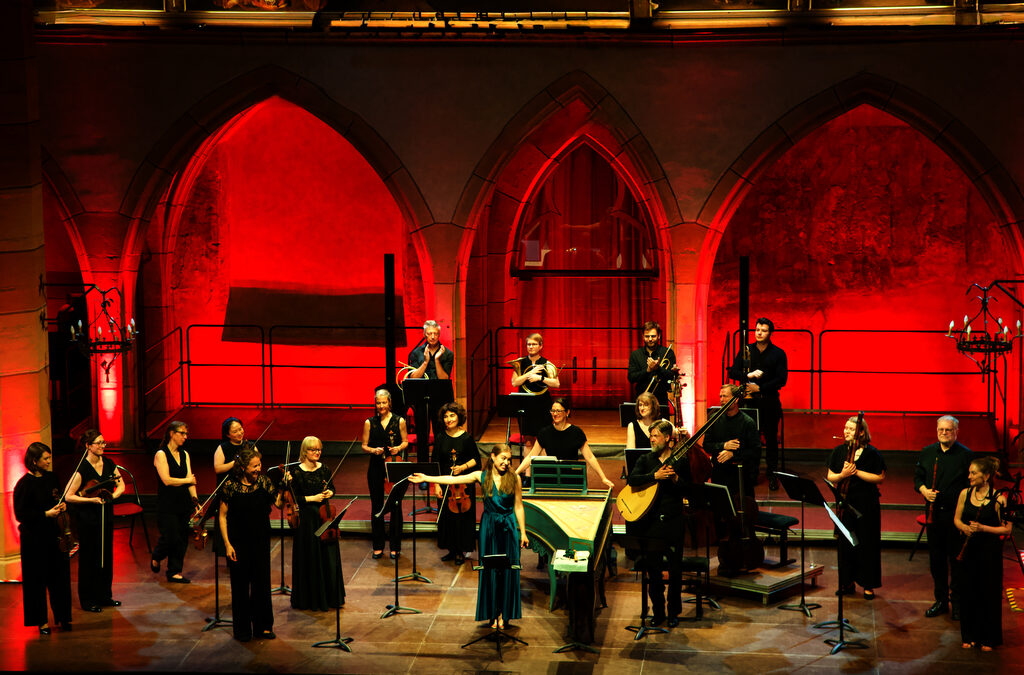
Colmar: Lucie Horsch and B’Rock Orchestra
At the Colmar International Music Festival, the Classical repertoire gave way for one evening to the Baroque recorder in all its colours and brilliance. Recorder player Lucie Horsch – one of the instrument’s most prominent ambassadors worldwide – and B’Rock Orchestra, led from the violin by Cecilia Bernardini, brought together the splendour of Handel, the virtuosity of Vivaldi, the elegance of Telemann and the vitality of Corelli in a programme where orchestral brilliance, virtuosity and the poetry of the recorder responded to one another with flair.
You must be logged in to be able to post comments.
Sign in