


 In Saintes, one of France’s longest-running early music festivals continues to evolve. Rooted in tradition yet open to bold artistic choices, the 2025 edition promises a wealth of discoveries!
  By
By 


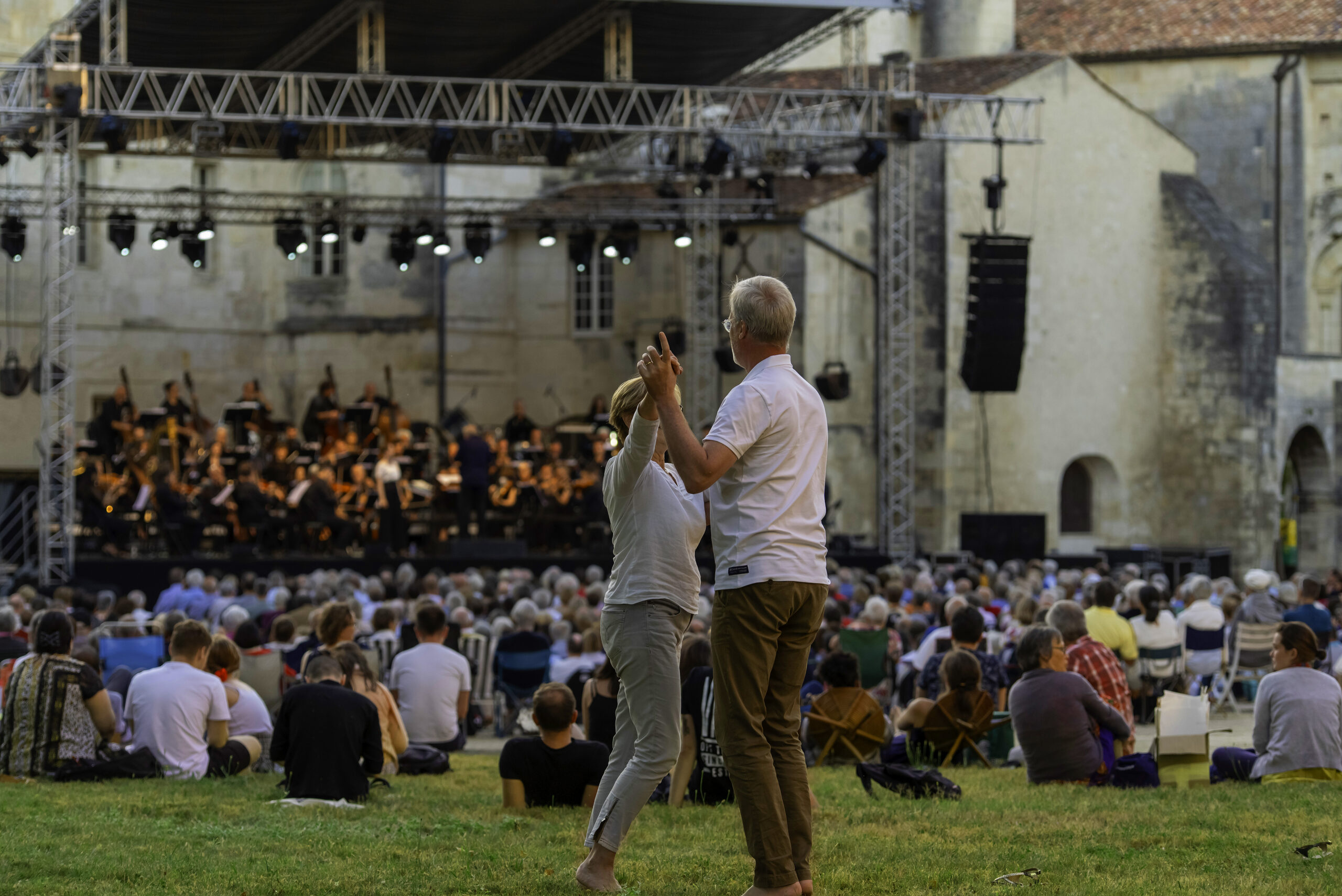
It is one of the first early music festivals in France. Created in 1972, the Saintes Festival has never stopped innovating. David Théodoridès, its director since 2023, and artistic director Ophélie Gaillard are proving it once again with some highlights of the 2025 edition.
How are things going in Saintes these days, given the current context?
David Théodoridès: Personally, I think things are going well in Saintes—better than one might imagine, even. Since 2023, we’ve changed the way we operate, by introducing a rotating artistic direction entrusted to practicing artists. Hervé Niquet was the first to take on the role, for the 2023 and 2024 editions. We subsequently invited Ophélie Gaillard, director of the Pulcinella ensemble and a leading figure in performance on period instruments. This change is more than just an organizational adjustment: it’s a breath of fresh air that allows the festival to renew itself without betraying its identity.
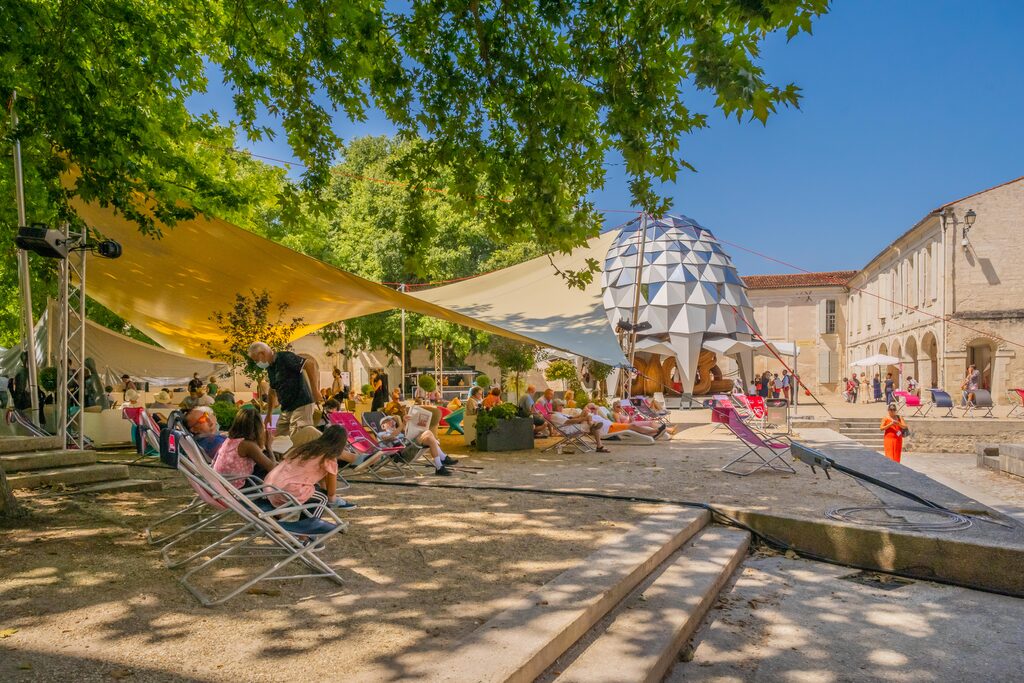
Each artistic director brings their own tone, their own sensibility. It’s a way to reflect the diversity of today’s European Baroque scene, but also to reaffirm our festive dimension. Yes, festive, in the true sense of the word: a moment of sharing, of energy, of curiosity. And that feels good.
Yes, this feels good, especially after the Covid years, which seriously disrupted our momentum. We saw audiences thin out, hesitate, lose confidence. Thanks to this openness, we’ve managed to reconnect with those who had drifted away, and to attract new audiences. There’s a real hunger from the public, a deep desire to rediscover music in its living, immediate, collective form. And the numbers confirm it: attendance is rising sharply, and we can feel that something is being rebuilt.
From a financial standpoint, are local authorities still supporting you?
D.T.: Let’s be honest: the economic climate is tough. The department of Charente-Maritime (which is insolvent) had to cut back its support, like many other local governments. This has affected the whole community, including the cultural and sports sectors. Of course it impacts us—the festival, but also the Abbaye aux Dames (the cultural centre it houses) as a whole, and all the related activities.
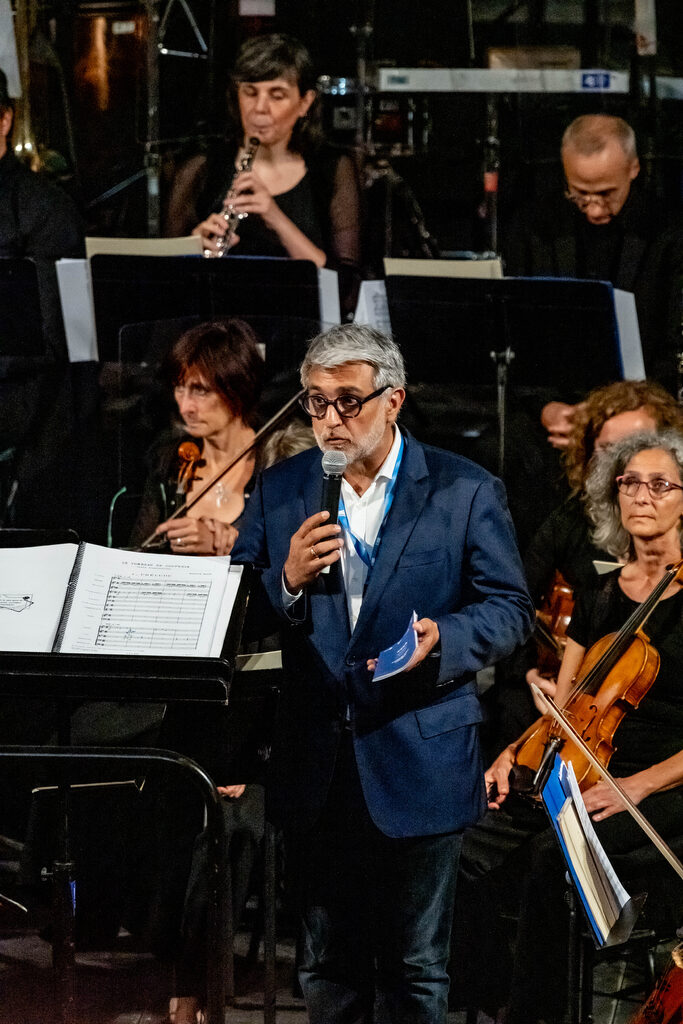
But in this difficult context, there’s good news too. The Nouvelle-Aquitaine Region and the French State continue to support us consistently which is essential to maintain our balance. And I also want to salute the loyalty of our private partners—whether from the local business community, large foundations, or individual patrons. This support is vital. It proves that the festival is seen as an asset for the region, a vehicle for visibility, interconnection, and a gathering place around music that is both demanding and accessible.
Yes, we’re gritting our teeth, but we keep moving forward. Because what drives us is this mission: to offer a certain vision of music, of sharing, of listening, of connection. And that still outweighs everything.
Passionate about early music and want to read this subscriber-only article?
If you are not a subscriber, join the international Total Baroque community. Subscribe here from 5.00€.
I subscribe
If you are already a subscriber, sign in.
I sign in 


You must be logged in to be able to post comments.
Sign in