


 In this third episode: the rich dialogue between Flemish musicians and liturgical music in Italy and Spain—a panorama that spans from Isaac to Palestrina.
  By Jerôme Lejeune


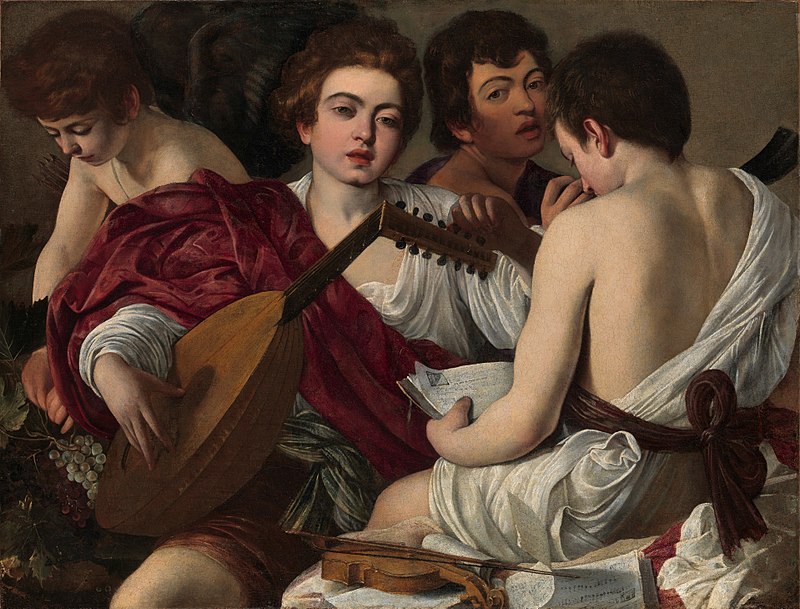
How did the Franco-Flemish composers—known as Fiamminghi in Italy or Flamencos in Spain—exert such a major influence on Southern Europe? That is the question explored in this third article in the series on the musical Europe of the Renaissance, written by Belgian musicologist Jérôme Lejeune.
Some Flemish Contemporaries of Josquin, Between Italy and the Court of Austria
In the early 16th century, religious music was developing throughout most European countries under the dominant influence of the stylistic synthesis embodied by Josquin Desprez. A few examples illustrate the richness and character of this activity in various musical centres—churches and cathedrals, royal, princely or ecclesiastical chapels, including that of the papacy. Among Josquin’s contemporaries, let us first mention other disciples of Ockeghem: Antoine Brumel, Loyset Compère, and Pierre de la Rue. The role of the latter is particularly important. Born in Tournai around 1450, he appears, like his master, not to have taken the usual path to Italy. He is found as a singer in the northern Netherlands at ’s-Hertogenbosch (Bois-le-Duc), and from 1492 onward, in the chapel of the Duke of Burgundy, before entering the service of Margaret of Austria in Brussels. His relatively abundant output, which includes every genre of sacred and secular vocal music, includes some thirty masses, among them a Requiem Mass. A large portion of his work is preserved in carefully produced manuscript copies from the Malines workshop of the copyist Petrus Alamire.
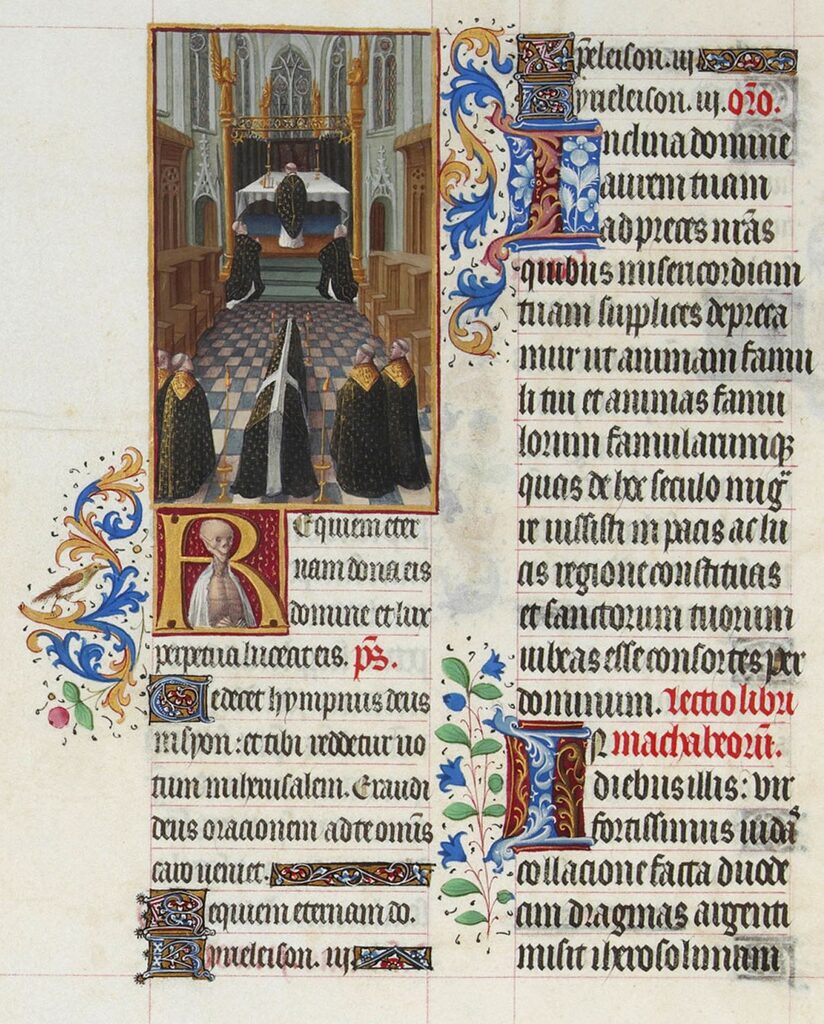
The career of Heinrich Isaac is interesting in several respects. Born in Flanders around 1450, his first Italian stay brings him to Florence, in the circle of the Medici. Despite a deep attachment to the city, he holds his most important posts under Maximilian I of Austria. His role in the musical blossoming of the Germanic lands before the Reformation is thus crucial; he brings with him not only Flemish craftsmanship but also the fresh new idiom of Italian music. In sacred music, his works include masses and motets, as well as a monumental collection commissioned by the Cathedral of Constance in 1508: the Choralis Constantinus, comprising 375 motets set to the texts of the proprium for the entire liturgical year—an absolutely unique anthology of its kind. It was eventually published in 1550, the year the city of Constance returned to Catholicism.

Passionate about early music and want to read this subscriber-only article?
If you are not a subscriber, join the international Total Baroque community. Subscribe here from 5.00€.
I subscribe
If you are already a subscriber, sign in.
I sign in 

You must be logged in to be able to post comments.
Sign in