


 In this first episode: the history of music printing and its role in the revolution of musical practice at the turn of the 16th century.
  By Jérôme Lejeune


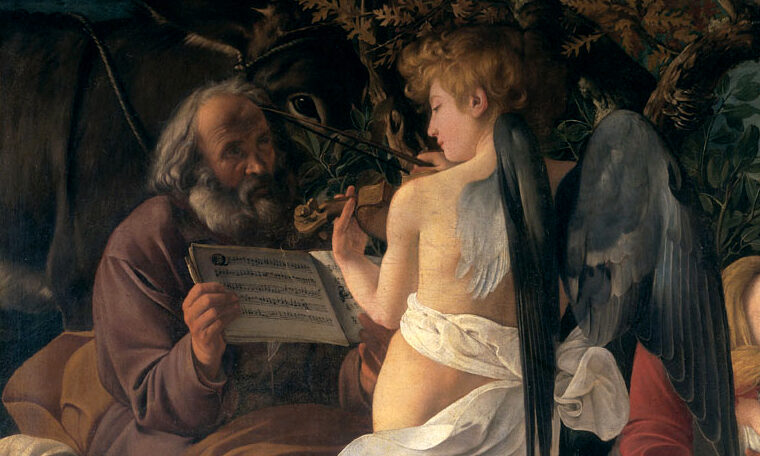
How the 1501 publication of the first printed music edition by the Venetian Ottaviano Petrucci—with staves, notes and texts—forever changed the dissemination of music and opened musical practice to amateurs. This is the focus of this opening article, which sets the stage for a series on Renaissance music, told by Belgian musicologist Jérôme Lejeune.
The Renaissance: when does it begin, when does it end?
As we know, the spirit of the Renaissance—and above all the profound shifts that emerged in Italian poetry in the 14th century—tends to place the start of this movement well before 1500. The widespread use of Petrarch’s Canzoniere by 16th-century composers clearly illustrates this. But these poems are timeless and have moved readers since the 14th century—the emotion is felt by the Romantics and still today. Let us therefore take as our benchmark the publication date of the Odhecaton, in 1501, which falls squarely within the mature period of the most celebrated composer of the transition between the 15th and 16th centuries: Josquin Desprez.
But what marks the end of the musical Renaissance? The question is even more delicate. One could argue for the year 1594: it marks the death of the two most important composers of the second half of the century, Palestrina and Lassus. Yet long before that, accompanied monody and grand entertainments like La Pellegrina (1589), which herald the splendour of opera, are invented in Florence; in Venice, Willaert and later Gabrieli place choirs in different galleries, creating spatial sound effects that anticipate the sonic extravagance of the Baroque. In 1600, Cavalieri’s Rappresentatione di Anima et di Corpo, and the Euridice of Peri and Caccini clearly serve as models for oratorio and opera. And doesn’t Monteverdi’s L’Orfeo (1607), like many of his works, draw as much on Renaissance music as it prefigures the Baroque?
We must therefore exclude all elements that announce the Baroque. But that does not mean everything ends in 1594. In most European countries—Italy being the exception—many forms and practices of Renaissance music remain very much alive.
Passionate about early music and want to read this subscriber-only article?
If you are not a subscriber, join the international Total Baroque community. Subscribe here from 5.00€.
I subscribe
If you are already a subscriber, sign in.
I sign in 

You must be logged in to be able to post comments.
Sign in