


 One codified the art of polyphony, the other brought it to its peak: a dual portrait of two pillars of the Renaissance.
  By Jerôme Lejeune


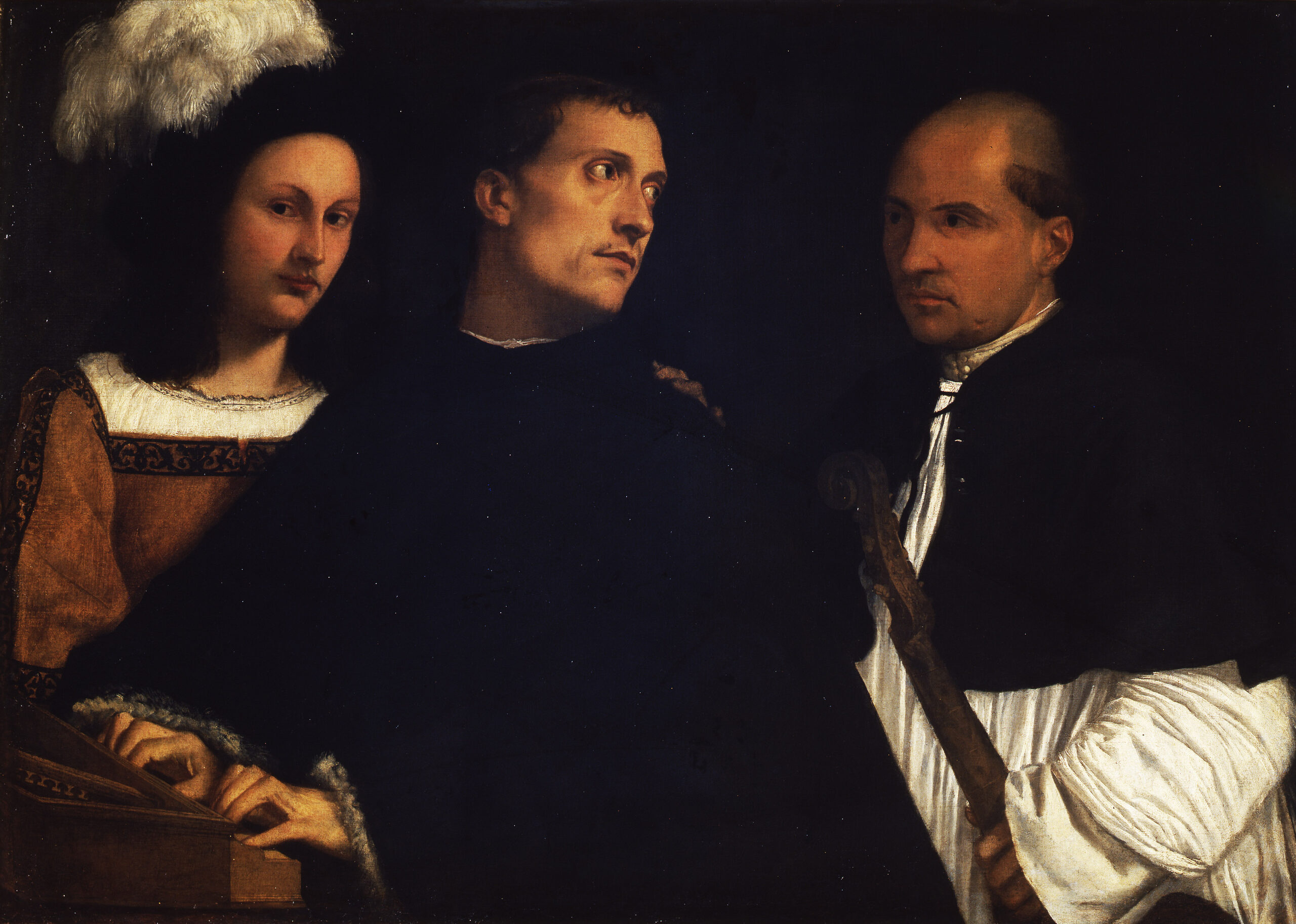
They never met—one died in 1521, the other was born in 1532—but both lived between Northern Europe, where they were born, and Italy, where they achieved success. Josquin Desprez and Roland de Lassus are two major names in the history of Renaissance music, as recounted by musicologist Jérôme Lejeune in this second episode.
Josquin Desprez, master of polyphonic art, the Ars perfecta
The death of Josquin Desprez in 1521 truly marks a decisive moment in the history of music. Josquin, like Johann Sebastian Bach later on, was both a synthesizer and a talented creator. Like several of his contemporaries—Pierre de la Rue, Antoine Brumel, and Loyset Compère, all disciples of Johannes Ockeghem—Josquin inherited the evolving polyphonic movement that had been taking shape during the 15th century, beginning with the arrival in Italy of the first “Fiamminghi” (Flemings), such as Johannes Ciconia and Guillaume Dufay.
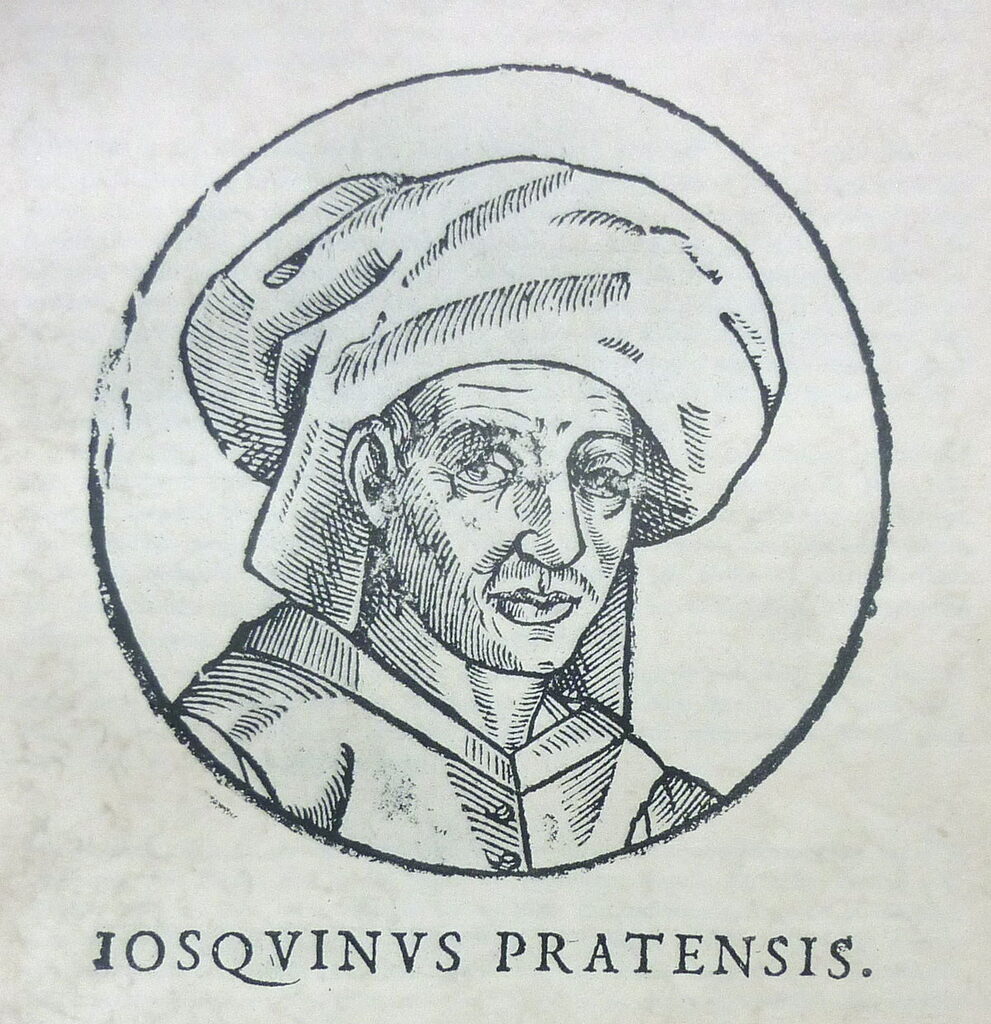
His career still followed the pattern of those Northern musicians seeking fortune in Italy. Josquin Desprez was born around 1440. We have no definitive information about his birthplace, although some sources, including a testimony by Ronsard, describe him as “Hennuyer,” that is, from Hainaut in Flanders. While a first post at Saint-Quentin is presumed, the earliest confirmed evidence of his activity comes from Italy, starting in 1459 in Milan, where he is mentioned as a singer. He then entered the service of the Sforza, and up until 1499 was intermittently attached to the papal chapel. His career unfolded across various Italian cities and in Nancy. In 1501, he entered the service of Ercole I, Duke of Ferrara—a highly desirable post given the substantial resources devoted to the musical chapel. He even recruited singers in Flanders for the institution.
Passionate about early music and want to read this subscriber-only article?
If you are not a subscriber, join the international Total Baroque community. Subscribe here from 5.00€.
I subscribe
If you are already a subscriber, sign in.
I sign in 


You must be logged in to be able to post comments.
Sign in