


 From Stockholm to Rome, Christina of Sweden moves through Europe and the Baroque with the same freedom. In this album, the first instalment in the “Tides of Scandinavian Baroque” series, Concerto Copenhagen and Lars Ulrik Mortensen follow the path of this queen turned patron, from dances at the Swedish court to Corelli’s sonatas and concertos, via Stradella, Pasquini, Scarlatti and Gesualdo. A wordless portrait of a queen who made music one of her kingdoms.
 By
 3 minutes


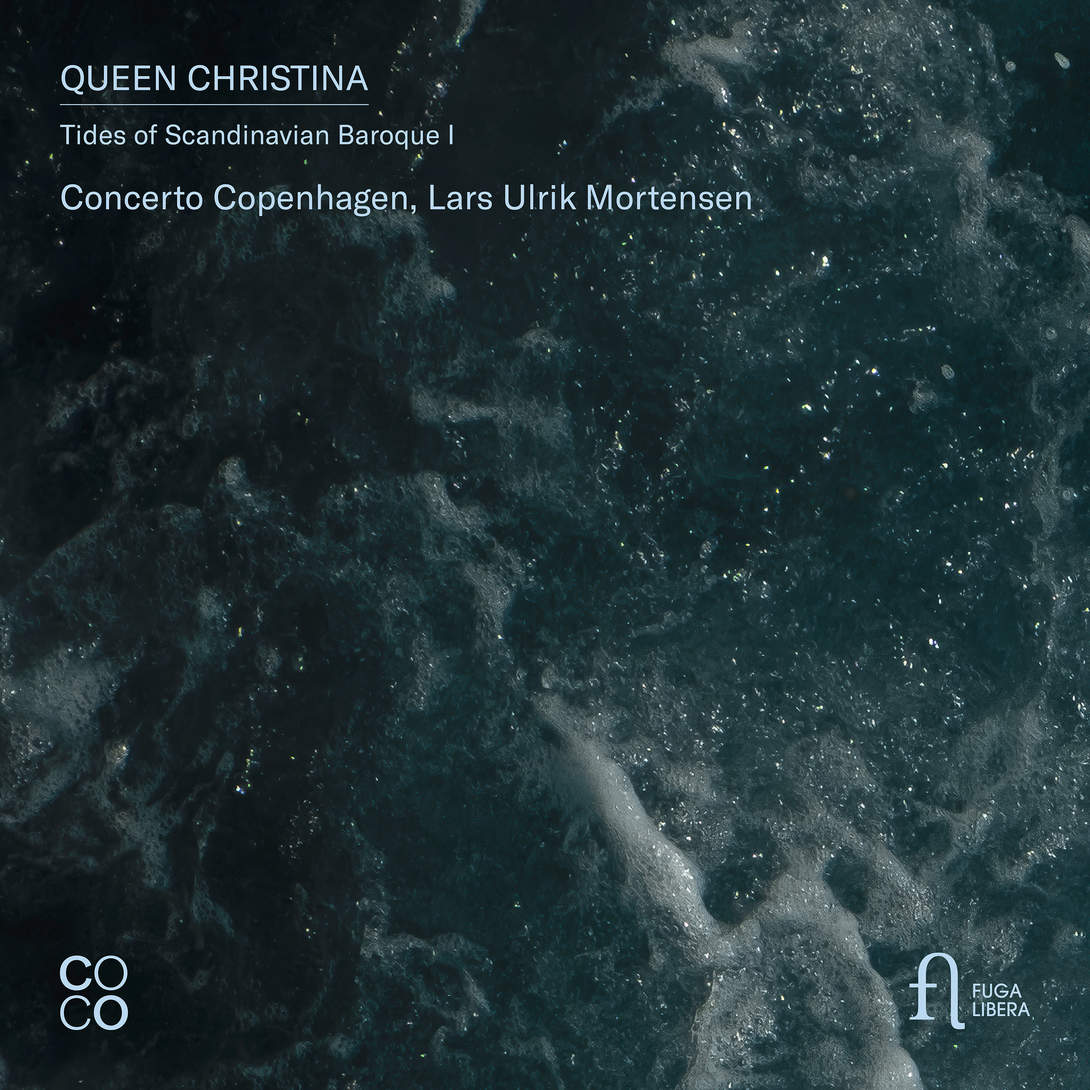
Released by Fuga Libera on 25 September, Queen Christina focuses on one of the most singular figures of the seventeenth century. Queen of Sweden from the age of six, Christina abdicated at 28, left her Protestant homeland, converted to Catholicism and eventually settled in Rome. There, surrounded by musicians, poets and scholars, she became one of the great patrons of her time. Concerto Copenhagen (or “Coco” to its friends), led by Danish conductor and harpsichordist Lars Ulrik Mortensen, makes these musical currents the thread running through the album, between Stockholm, Innsbruck and Rome.
From Stockholm to Rome
The journey logically begins in Sweden. Five short court dances – a branle, allemande, gavotte, courante and galliard – recall how strongly Stockholm looked to France at the time. One of them even bears an unequivocal title: Philippe de La Hire’s Courante pour la Reine de Suède.
Christina herself contributed to this international outlook. In 1640, she appointed Andreas Düben court Kapellmeister. Born in Leipzig and trained with Sweelinck in Amsterdam, Düben introduced German, French and Central European influences to Sweden. His work also laid the foundations for the celebrated Düben Collection, now preserved in Uppsala and a major source for our knowledge of European Baroque music.
Concerto Copenhagen places its own Swedish Court Dances at the other end of the album, as though closing the circle. In between, Christina has left Sweden – and the programme with her. A sonata for four violins by the English composer and viol player William Young evokes her stay in Innsbruck, where she met the musician and was captivated by his virtuosic writing. Italy then gradually takes over.
A court without a kingdom
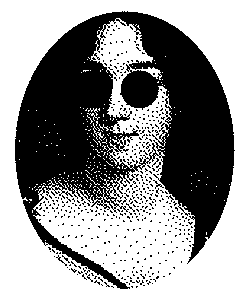
When Christina arrived in Rome in December 1655, she no longer had a throne but retained the ambitions of a sovereign in the arts. She gathered musicians, writers and thinkers around her; the circle she fostered would later contribute to the birth of the Accademia dell’Arcadia. The album brings this constellation to life: Alessandro Stradella and Bernardo Pasquini belonged to her circle, but it was Alessandro Scarlatti who became her favourite opera composer. Arcangelo Corelli, meanwhile, was her favourite instrumentalist and dedicated several works to her, including his Op. 1 trio sonatas.
This connection with Corelli naturally lies at the heart of the programme. Concerto Copenhagen performs the ninth sonata from Op. 1, followed by the first Concerto grosso from Op. 6: two forms whose rise coincided precisely with the new importance accorded to instrumental music in the Roman circles frequented by Christina.
The choice of Carlo Gesualdo is more unexpected. Scarlatti reported the Queen’s particular fondness for the Neapolitan composer’s madrigals, already several decades old and still regarded as extraordinarily daring. “Moro, lasso”, one of his most famous works, is heard here without voices, in an instrumental transcription that brings its unusual harmonies into even sharper relief.
European Baroque in motion
Behind the portrait of an unconventional personality, Queen Christina reveals a musical Europe far less compartmentalised than one might imagine. French composers are performed in Stockholm; a German musician trained in the Netherlands directs the Swedish royal chapel; an Englishman crosses paths with Christina in Austria; then Stradella, Pasquini, Scarlatti and Corelli all enter, directly or indirectly, her Roman orbit.
Under Lars Ulrik Mortensen, Concerto Copenhagen makes this circulation the true subject of the album. Violins, violas, cellos, double bass, lute, Baroque guitar, harpsichord and organ are enough to conjure up an entire musical geography, without singer or narrator. Little by little, a portrait emerges through tastes, encounters and European musicians: that of a queen who relinquished her kingdom but helped another one, centred on the arts, to emerge in Rome.

You must be logged in to be able to post comments.
Sign in