


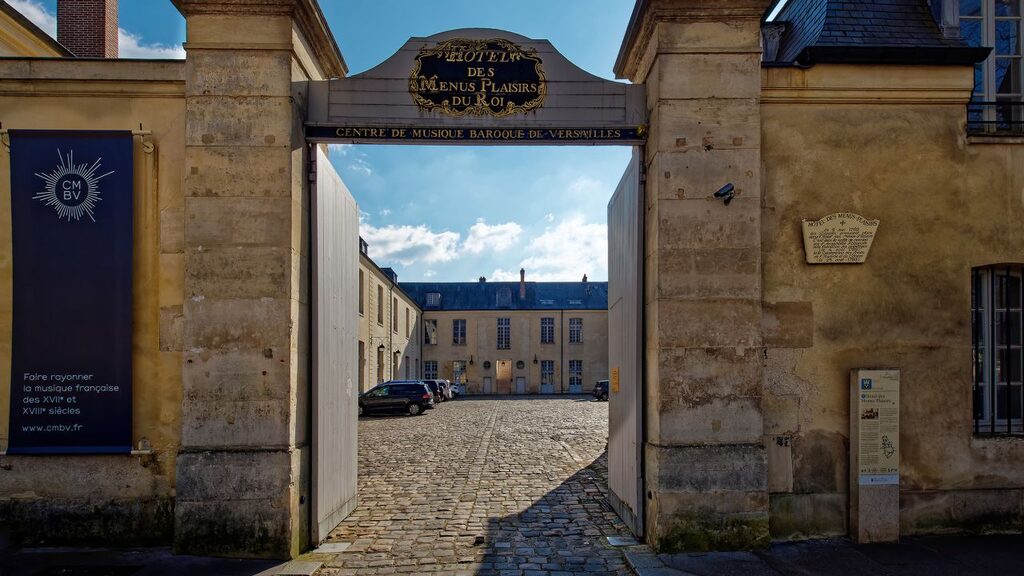
 Nicolas Bucher is stepping down after seven years at the helm of the Centre de Musique Baroque de Versailles (CMBV) to become director of the Geneva Chamber Orchestra.
  By
By 


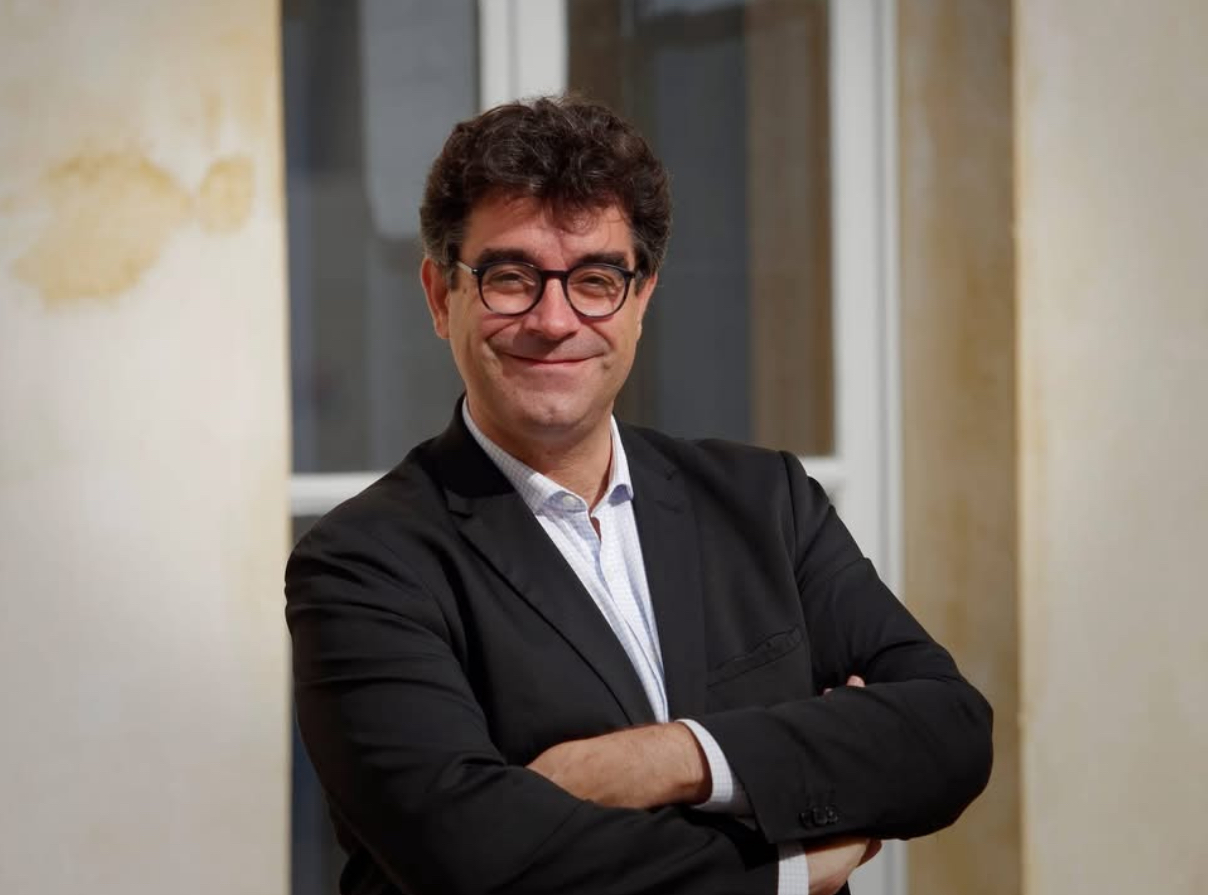
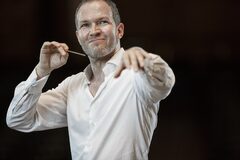
Organist Nicolas Bucher, 50, has led the Versailles baroque music Center (CMBV) since March 2018. At the start of September, he leaves Versailles to take up the role of director of the Geneva Chamber Orchestra, handing over one of the most distinctive institutions in the early music world—one that unites, under the roof of the Hôtel des Menus-Plaisirs, every strand of expertise needed to rediscover and champion France’s 17th- and 18th-century musical heritage. Time, then, to take stock.
Why are you leaving the Versailles baroque music Center?
Nicolas Bucher: It’s impossible to cover every aspect of the CMBV, its mission is so vast and demands constant movement. But I am among those who believe that we are not the owners of the institutions entrusted to us, and that we must know when to move on — both for ourselves and for the institutions. After nearly eight years in Versailles, I felt the desire for new challenges and also the wish to immerse myself again in other repertoires… and in another country!

You have directed it for seven years. What do you see when you look back?
N. B.: The CMBV turns 40 in 2027, and the founding idea remains unchanged: to bring together research, publishing, training, production—and now cultural outreach—all focused on French baroque music of the 17th and 18th centuries. The real challenge was to keep these different strands connected. In practice, each runs at a very different tempo and risks functioning in its own bubble: research stretches over decades, an opera production takes two years, an educational project just a few months. My role was to keep standards high in each area while making sure they worked together. That’s a permanent juggling act. We’ve made progress: for example, in the revival of Lully’s Atys, we were able to combine research, performance, training (through the choir school) and outreach. The same approach underpins preparations for 2026, the tricentenary of Michel-Richard de Lalande’s death, which will bring together new publications, a revival of L’Amour fléchi par la constance and Le Ballet de la Jeunesse—never performed in modern times—and a full cultural program.
Passionate about early music and want to read this subscriber-only article?
If you are not a subscriber, join the international Total Baroque community. Subscribe here from 5.00€.
I subscribe
If you are already a subscriber, sign in.
I sign in 
You must be logged in to be able to post comments.
Sign in