


 In Ukraine despite the war, Anna Gadetska, the director of the Kyiv Baroque Festival keeps early music alive as an act of resistance and shared beauty.
  By
By 


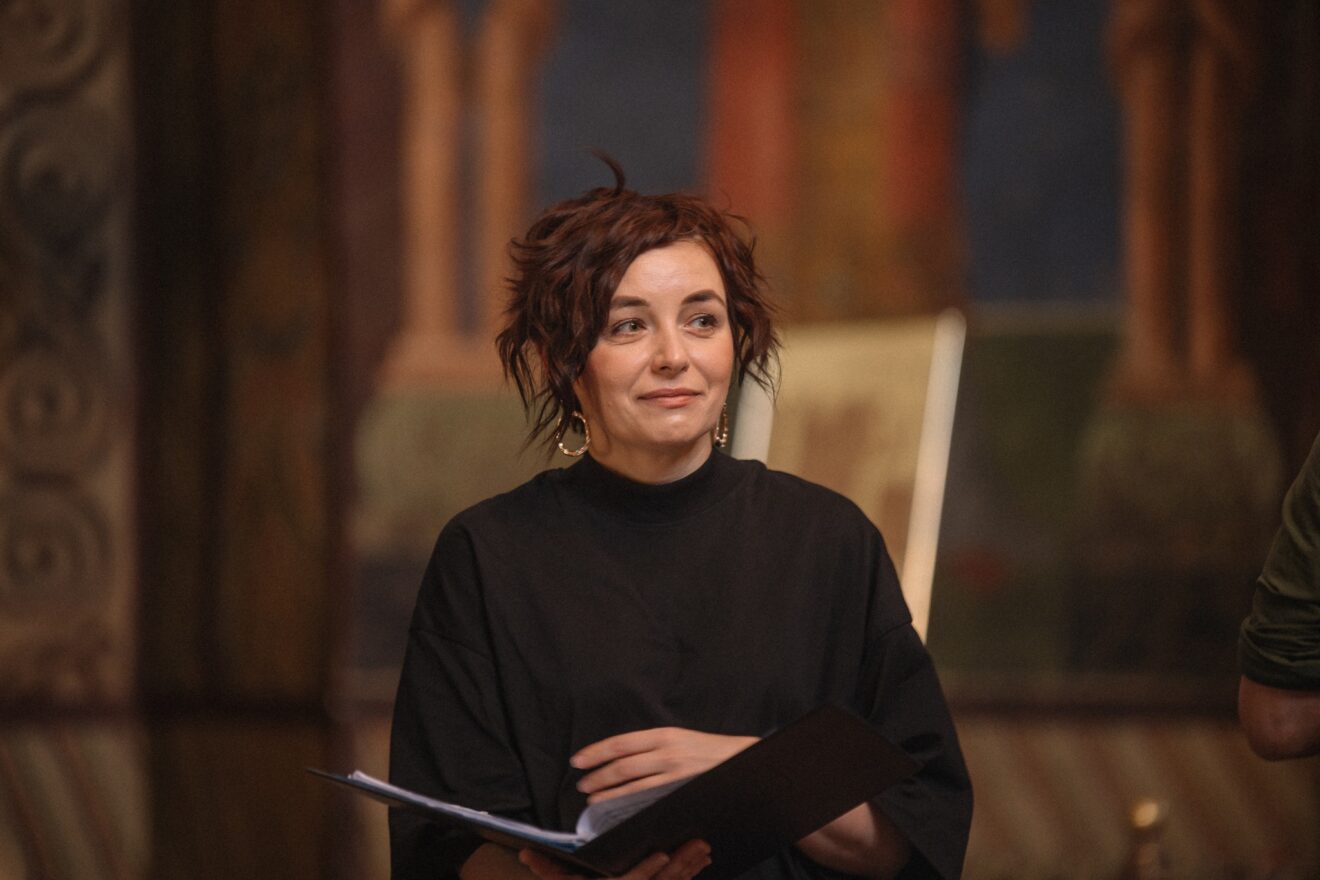
When we read about Ukraine today, the headlines are filled with missiles, drones, and the shifting moods of American politicians. Yet behind these images of war lies another face of the country: a musical heritage of remarkable depth, shaped by past composers and kept alive by those who now carry it forward within Europe’s cultural tradition. From 10 to 21 November, the team behind the Kyiv Baroque Fest will hold its third edition — a programme and conception worthy of any major international event but which, in wartime, takes on a special resonance for Ukrainian audiences. We spoke with Anna Gadetska, the festival’s programming director.
Why did you found this festival?
Anna Gadetska: In Ukraine, the situation regarding early music is quite unique, as there is no separate institute or department at universities that covers all early instruments, but only individual courses, such as harpsichord, and sometimes basso continuo. Nevertheless, we do have early music ensembles that have been working together for years. And, of course we needed a festival—an event where different musicians from all over the world could meet, because after 2022, following the Russian attack on our country, it became clear to us that we needed to connect more with the world.
Then a group from Open Opera Ukraine and the National House of Music attended a REMA conference, where we were able to introduce ourselves and give a concert. After that, we decided to combine the expertise and resources of three organizations: the National Philharmonic, directed by Mykhailo Shved; the National House of Music, led by Olga Kononenko; and the NGO Open Opera Ukraine, where I serve as program director. That’s how we launched the festival, because Baroque music is a vital and important part of Ukrainian heritage. Yet very little is known about the Ukrainian Baroque, even among professional musicians.
I have to admit, before seeing your festival program, I had never even heard of Maksym Berezovsky, for example…
A. G.: Yes, and for us he is a very important figure! He was a member of the Bologna Academy and studied with Padre Martini, among others. And of course there are several more Ukrainian composers. That’s why, in 2023, we took a first small step: we called this opening French Overture, since the main theme was Rameau (it was the Rameau Year), and we presented three concerts with different works by Rameau. Our first full-scale festival took place last year, and we received significant support from REMA. During the festival, there was a full-day Early Music Forum. And an international star agreed to join us, which was a real milestone: Jean Rondeau gave a solo recital—absolutely magnificent! That’s what made it truly international rather than “by us, for us.” And Andreas Scholl came as well.
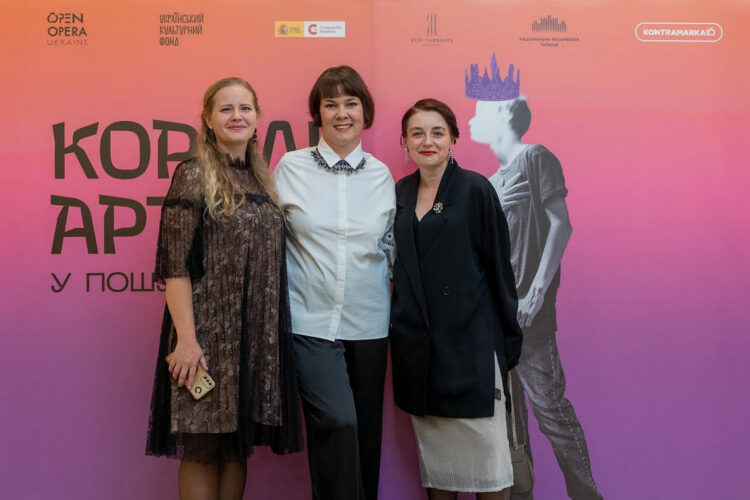
Of course, musicians often ask us: Isn’t it dangerous to travel to Kyiv? And we tell them: No, it’s not dangerous. We have good shelters, directly accessible from the concert and rehearsal spaces. And there are many people in Kyiv looking forward to your concerts! Yes, it’s wartime, and we never know what might happen. But it was very important that Jean Rondeau told his friends afterwards: You can go to Ukraine, there are great teams there, good initiatives, and it’s safe.
How is everyday life in Kyiv right now?
A. G.: We live a completely normal daily life, despite all our nightmares and the attacks. It’s hard to believe, but there was a night with drone alarms (for instance, just two days ago, there were massive strikes on infrastructure); the next morning, all public transport was running, and everyone went to work. The musicians of the National Philharmonic Orchestra showed up to rehearsals right on time. That’s our answer to this war: we live. We need a normal life. We’re not afraid of the Russian regime, of blackmail, or of any of those terrible things. Of course, we understand artists who prefer not to participate in our festival. One told me that his family was against it; he has a child, a responsibility. We’re all the more grateful to those who come nonetheless.
Passionate about early music and want to read this subscriber-only article?
If you are not a subscriber, join the international Total Baroque community. Subscribe here from 5.00€.
I subscribe
If you are already a subscriber, sign in.
I sign in 
You must be logged in to be able to post comments.
Sign in