


 Eight hours of Cesti revived in Innsbruck, Monteverdi at Drottningholm, Bach in São Paulo and concerts by horse-drawn carriage in the Jura: a look back in pictures at some of August’s Baroque highlights.
  By
By 


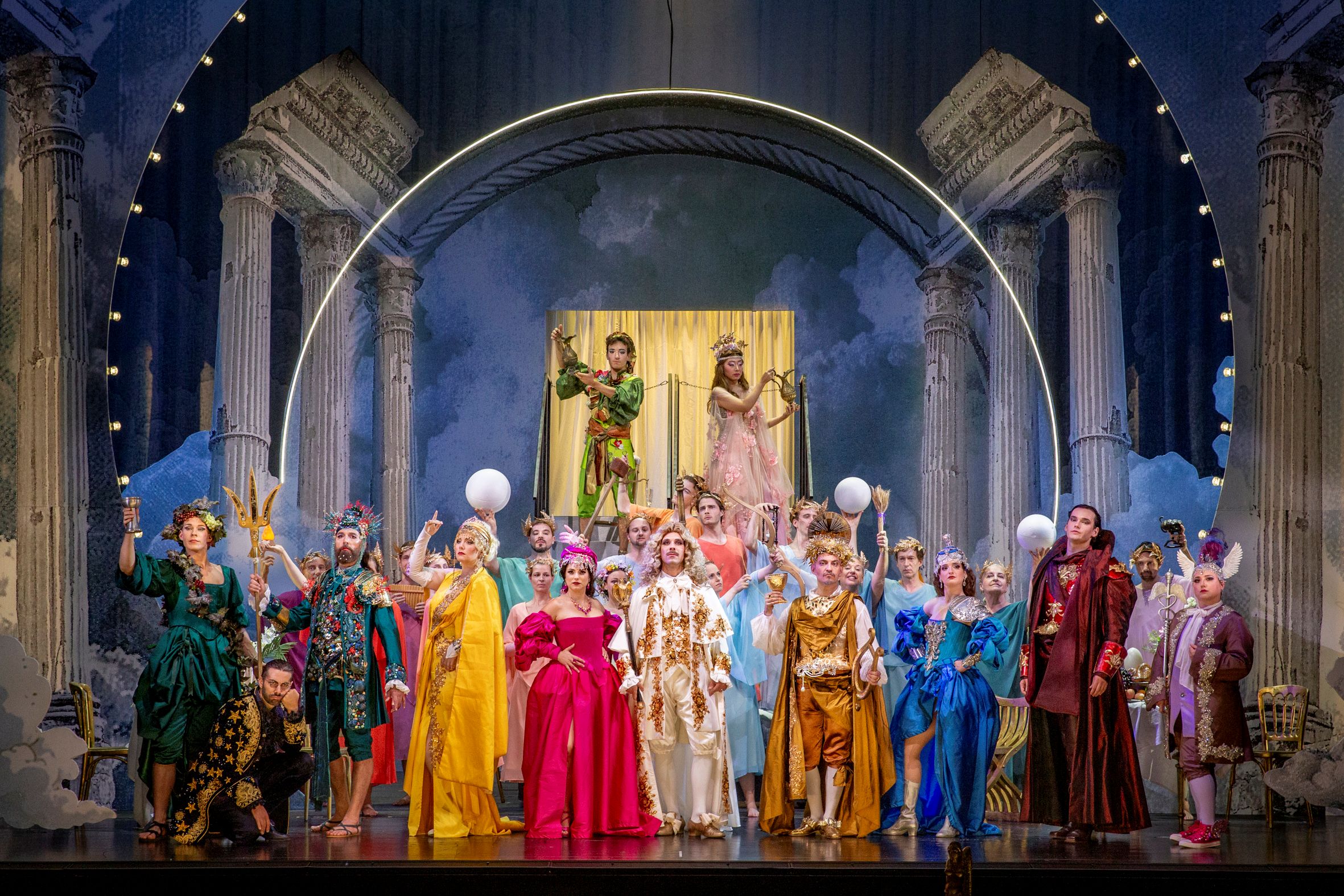
Antonio Cesti’s Il pomo d’oro in Innsbruck: Ottavio Dantone’s tour de force
The first complete performance since the seventeenth century of Antonio Cesti’s Il pomo d’oro was the flagship event of the 50th Innsbruck Festival of Early Music. Presented over two evenings, as at its Viennese premiere in 1668, this vast work of almost eight hours rested on extensive reconstruction by Ottavio Dantone. Working from manuscripts preserved in Vienna and Modena, the conductor rebuilt the missing sections of Acts III and V by drawing on other works by Cesti.
The story of the Judgement of Paris is only one thread in this immense fresco, originally conceived to celebrate the marriage of Leopold I and Margaret Theresa of Spain. Almost fifty characters, gods and mortals alike, cross paths in a staging built around the contrast between a dazzling supernatural world and a more austere earthly realm dominated by grey, white and black. The production was given three times at the Tiroler Landestheater, on 7–8, 11–12 and 15–16 August 2026, in a staging by Fabio Ceresa, with sets by Nikolaus Webern and costumes by Giuseppe Palella.
With Sophie Rennert, Jone Martínez, Shira Patchornik, Jiayu Jin, Neima Fischer, Ester Ferraro, Mathilde Ortscheidt, Margherita Maria Sala, Filippo Mineccia, Rémy Brès-Feuillet, Paul Figuier, Danilo Pastore, Alberto Allegrezza, Žiga Čopi, Mauro Borgioni, Giacomo Nanni, Balázs Bán, José Coca Loza, Federico D. E. Sacchi, Rocco Cavalluzzi, Accademia Bizantina and Ottavio Dantone.
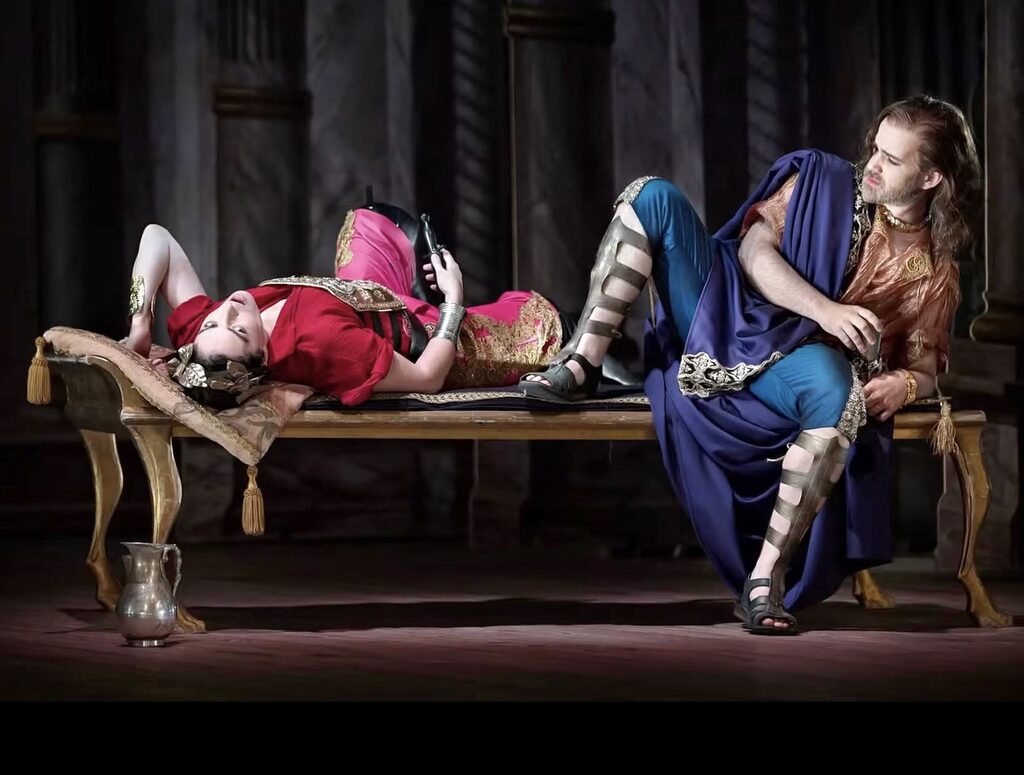
At Drottningholm (Sweden), a Coronation of Poppea by Francesco Corti and Benjamin Lazar
Eight performances of Claudio Monteverdi’s The Coronation of Poppea marked the summer festival at the Drottningholm Palace Theatre in Sweden between 1 and 15 August. Francesco Corti, the theatre’s Music Director, conducted the orchestra, while Benjamin Lazar was responsible for the staging. The challenge was to bring seventeenth-century Italian Baroque theatre into dialogue with the venue’s authentic eighteenth-century stage machinery, still in working order, using painted scenery, scene changes, rhetorical gesture and historic machinery with enough freedom to avoid turning the production into a systematic demonstration. By several critics’ accounts, the aim was achieved: they particularly praised the production’s ability to keep historical authenticity at just the right distance, without becoming trapped in reconstruction.
With Giulia Semenzato, Arianna Vendittelli, Roberta Mameli, Paul-Antoine Bénos-Djian, Trevor Eliot Bowes, Lucile Richardot, Luca Cervoni, Giulia Bolcato, Josefine Mindus, Désirée Giove, Zachary Wilder, Marco Saccardin, l’orchestre du Théâtre royal de Drottningholm and Francesco Corti.
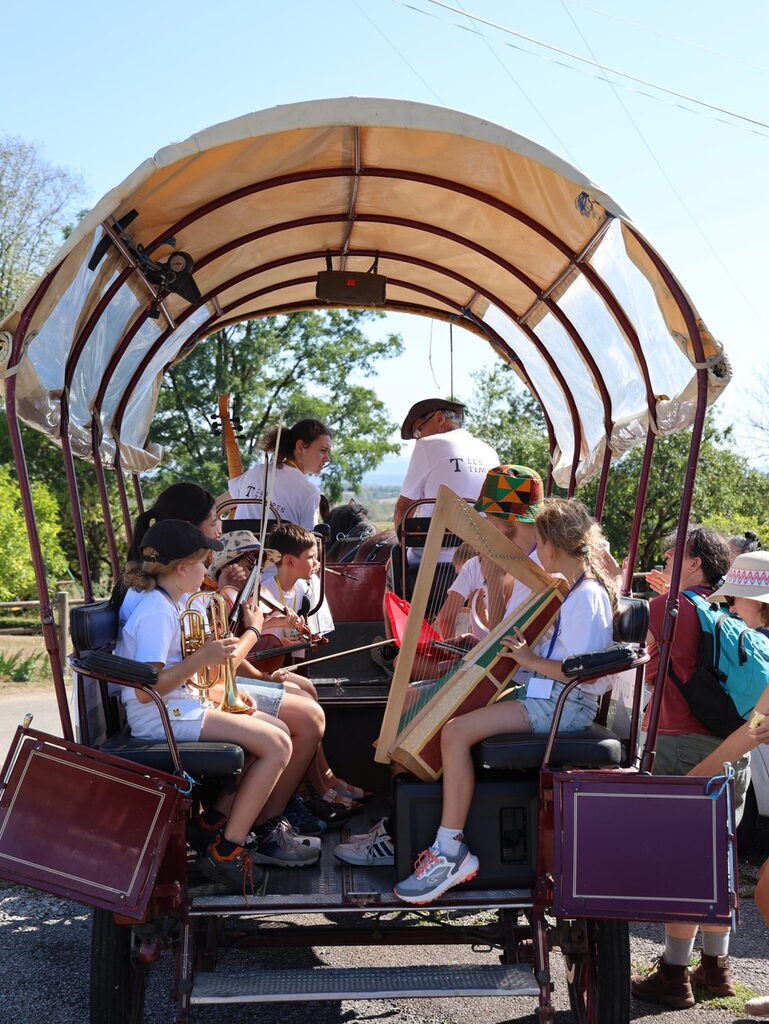
In the Jura (France), travelling concerts at a horse’s pace with Les Timbres
In the French Jura, between the Loue and Doubs valleys, Les Timbres travelled some 50 kilometres by horse-drawn carriage, presenting six concerts, five reflective interludes led by a philosopher and four encounters with guests from different backgrounds, all exploring our relationship with nature and time in today’s fast-paced world. In a thoroughly Baroque spirit, where music and nature are closely intertwined, animals were also celebrated in six concert portraits featuring Baroque composers alongside a handful of later guests.
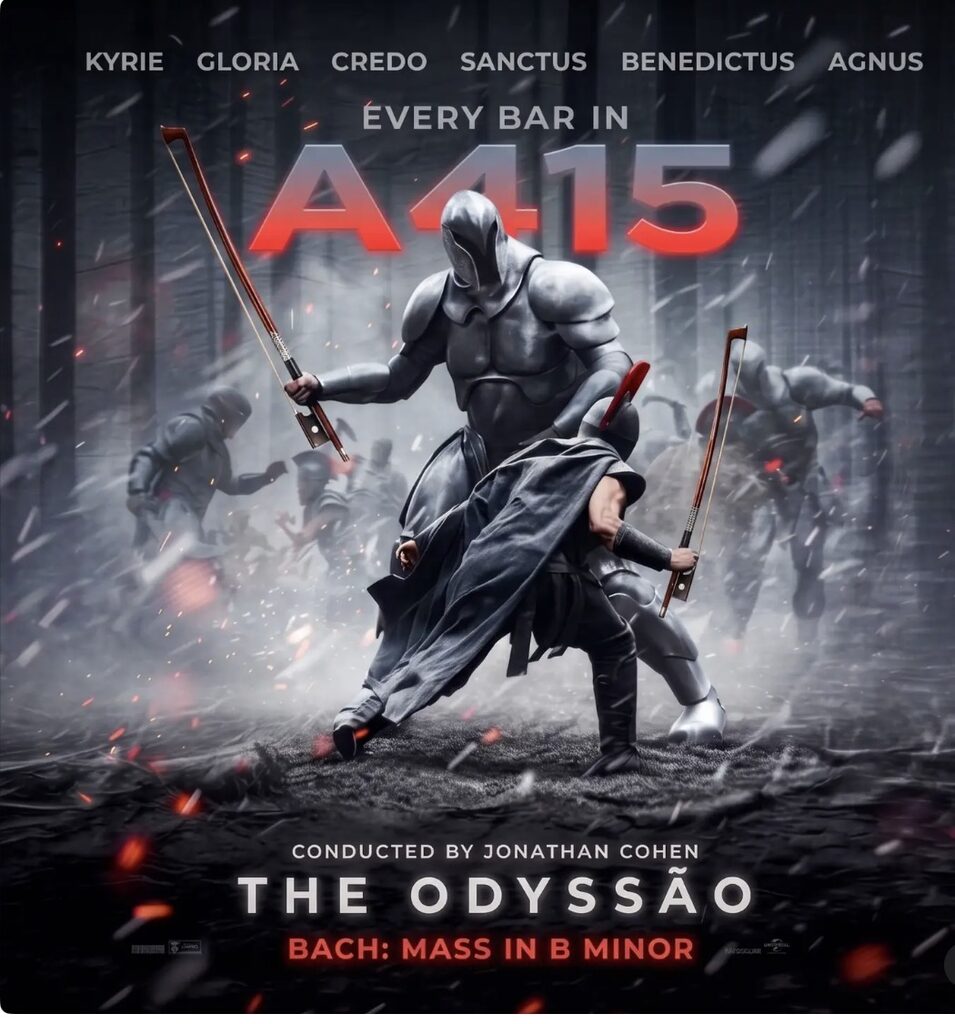
Arcangelo and the Mass in B minor in São Paulo (Brazil)
Surely the pastiche of the summer! Clearly inspired by Christopher Nolan’s film The Odyssey, this graphic design announced the “odyssey” of four August concerts by the English ensemble Arcangelo at São Paulo’s recently renovated Teatro Cultura Artística. Conducted by its founder Jonathan Cohen, Arcangelo performed Johann Sebastian Bach’s Mass in B minor over four evenings, on 16, 17, 19 and 20 August. The ensemble’s international tour will conclude at the Proms in London on 10 September, following appearances at the Rheingau Festival in Germany and the Gstaad Menuhin Festival.
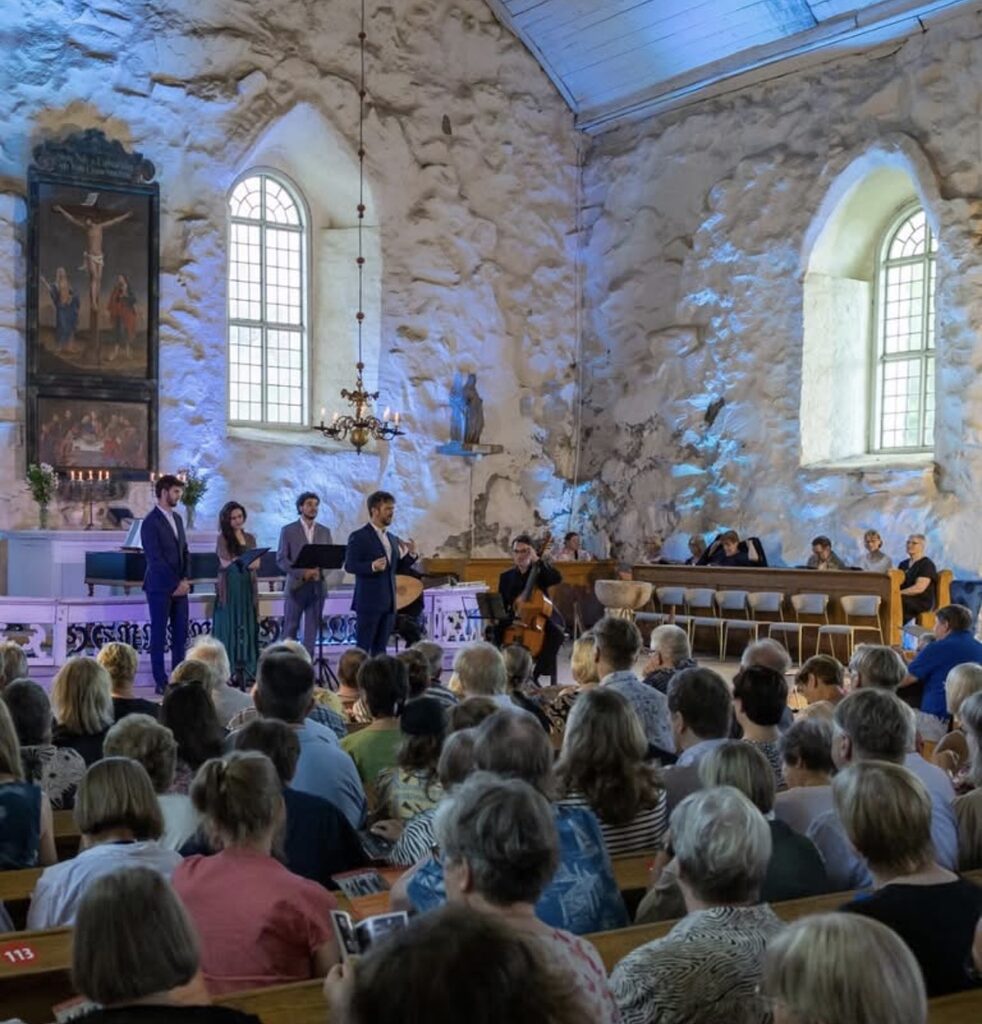
Cantoría at the Sastamala Gregoriana festival (Finland)
At Sastamala Gregoriana in Finland, celebrating its 30th anniversary, the Spanish vocal ensemble Cantoría, directed by Jorge Losana, presented El jubilate, a concert devoted to the villancicos and ensaladas of the Iberian Renaissance. The concert rounded off a day conceived as a brief immersion in early Spain. Earlier, the Finnish vocal ensemble Lumous and Fioretto Ensemble had travelled back to the fifteenth-century Iberian Peninsula and the conflicts between Christian kingdoms and Muslim rule, before Cantoría ushered the festival into a far more earthy, colourful and playfully humorous Renaissance Spain.
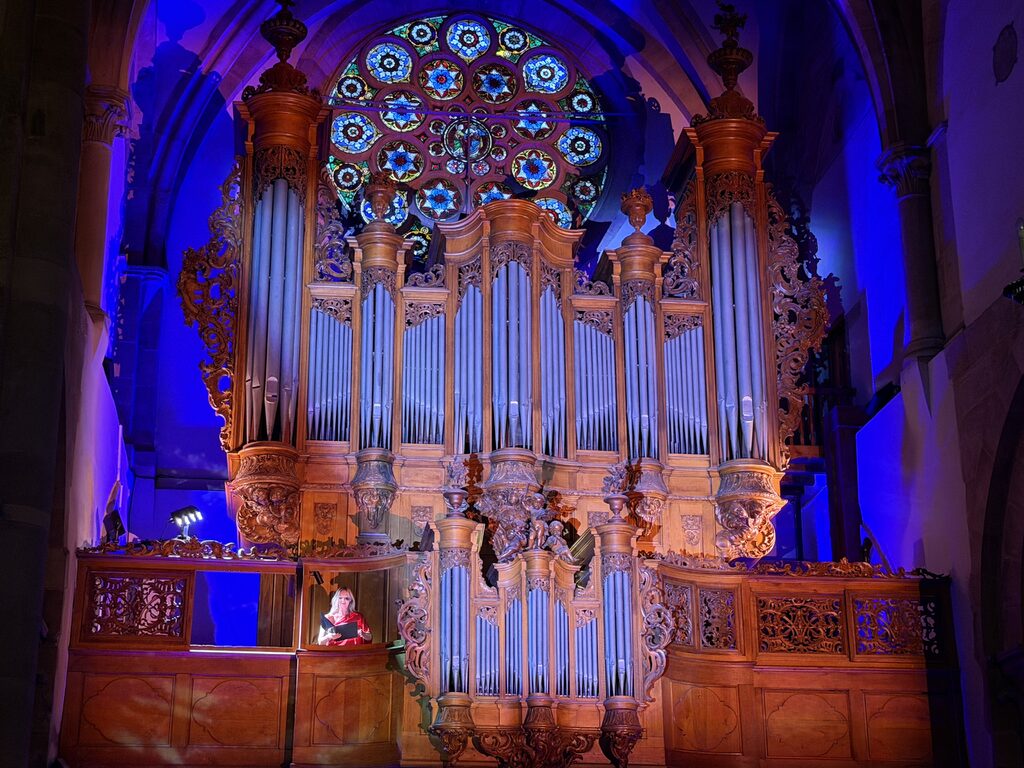
Strasbourg: 10 years of the Stras’Orgues Festival
For its tenth edition, Stras’Orgues once again turned Strasbourg into one vast organ stage, bringing the city’s exceptional heritage to life from the cathedral to neighbourhood churches, with more than twenty events encompassing recitals, young artists, a film concert, open organ lofts and unusual organ-to-organ trails on foot, by bicycle or even on roller skates. One highlight was the meeting of Belgian soprano Céline Scheen and organist Fabien Moulaert around the Silbermann organ at Saint-Thomas Church, in one of sacred music’s most natural pairings: voice and organ. Their programme traced a Baroque dialogue across Italy, Germany and France. The evening neatly summed up the spirit of Stras’Orgues: taking the organ beyond the solo recital, setting it alongside voices and instruments, while showcasing Strasbourg’s remarkable musical heritage. The tenth edition opened with Christophe Mantoux at the cathedral and ended a week later with Thomas Ospital.
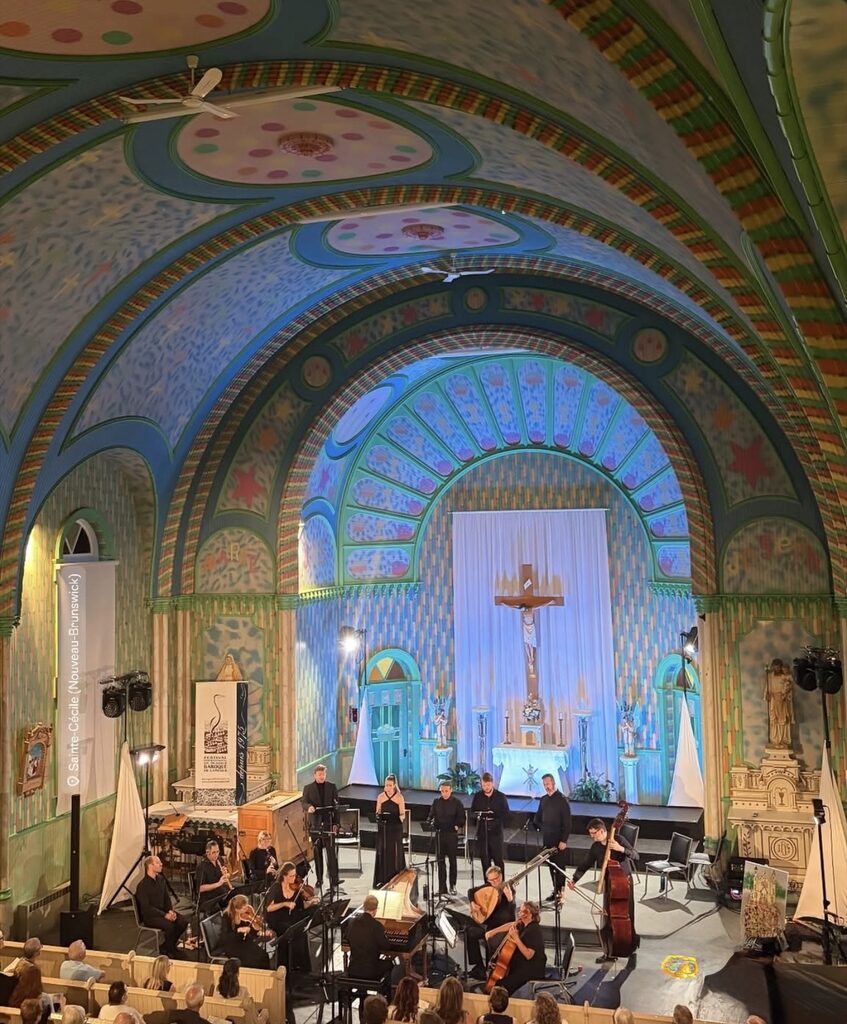
Arion Baroque at the 50th anniversary of the Lamèque Festival (Canada)
Founded in 1976 by harpsichordist Mathieu Duguay, the Lamèque International Baroque Music Festival, Canada’s oldest Baroque music festival, celebrated its 50th anniversary this summer, with Arion Baroque Orchestra as a recurring presence. The Montreal ensemble presented three original programmes. Handel’s Acis and Galatea became the first opera ever presented in concert form at Lamèque. The chamber programme Les vents s’amusent ! brought together Boismortier, Telemann and Vivaldi. Finally, Handel’s Water Music suites and Coronation Anthems brought the anniversary festival to a close, with the Chœur de la Mission Saint-Charles conducted by Mathieu Lussier.

You must be logged in to be able to post comments.
Sign in