


 A composer, nun, and later abbess, Chiara Margarita Cozzolani made music one of the central focuses of her life. In 17th-century Milan, her talent flourished within the walls of Santa Radegonda, until it came into direct conflict with the hostility of Archbishop Alfonso Litta.
  By
By 


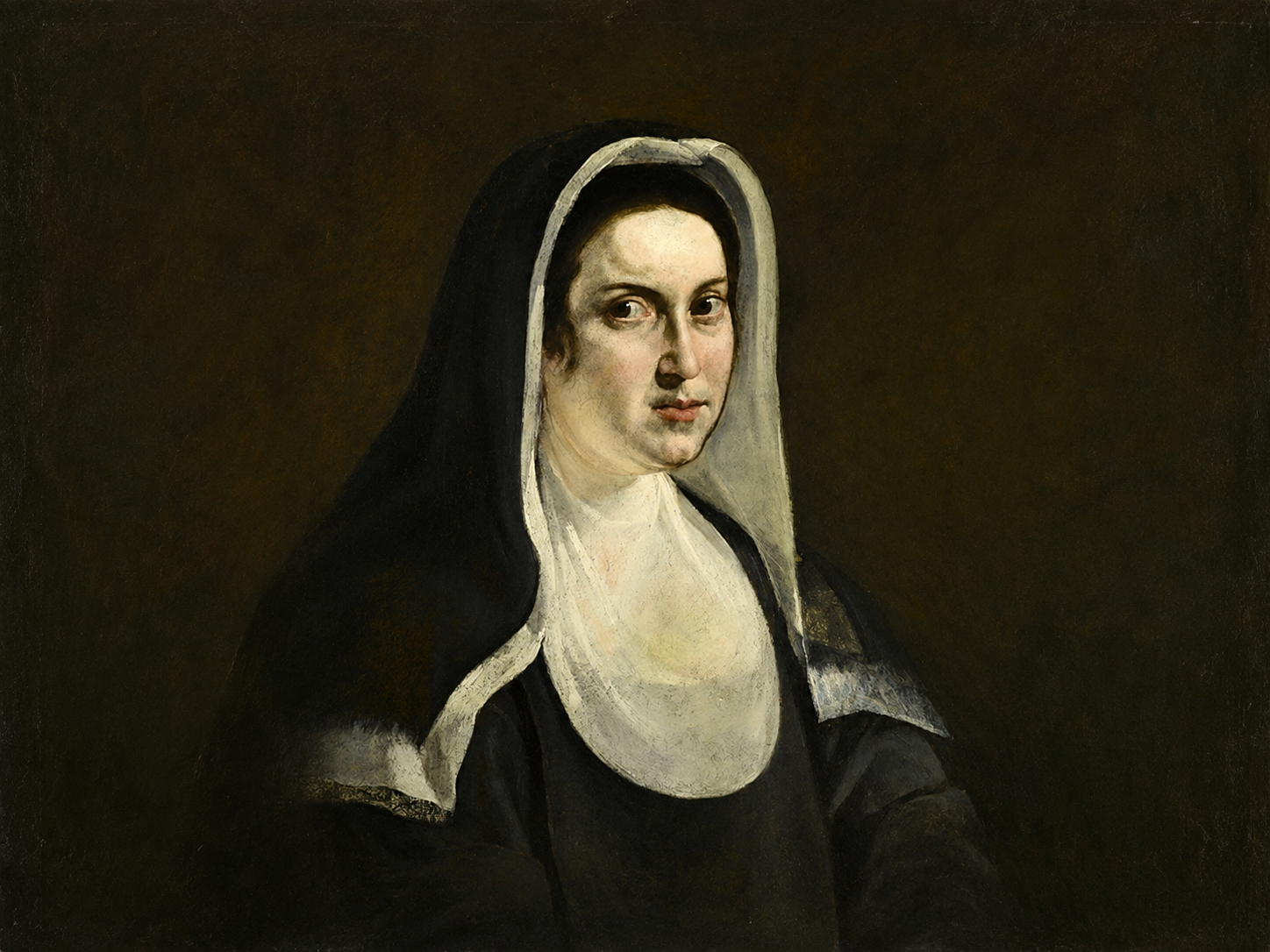
In seventeenth-century Milan, convents for women were also major centres of musical creativity. At Santa Radegonda, Chiara Margarita Cozzolani was very much part of this tradition: a nun, abbess, and composer, she published four collections of sacred music between 1640 and 1650, and acquired a considerable reputation during her lifetime. Her career sheds light on an entire facet of Milan’s musical life, encompassing monastic musical practice, urban prestige, the circulation of musical works, and the constraints imposed on women.
Adagio – Family Origins and Entry into the Benedictine Convent
(Chiara) Margarita Cozzolani was born in Milan on November 27, 1602. Her parents were Valeria (*1577/78?) and Giovanni Battista Cozzolani (1566/67–c. 1610/11). Margarita Cozzolani had an elder sister, Clara Candida Arsilia (c. 1597/98–c. 1665), as well as four brothers. The family probably belonged to the prosperous bourgeoisie; the men worked as artisans and merchants. Nothing is known of the years during which Margarita grew up and became a young woman. Did she begin her musical training within her family? Riccardo Rognoni (before 1550–c. 1620), a composer, music theorist, and virtuoso of the viola bastarda, lived in a neighbouring house: he may have been Cozzolani’s first music teacher.
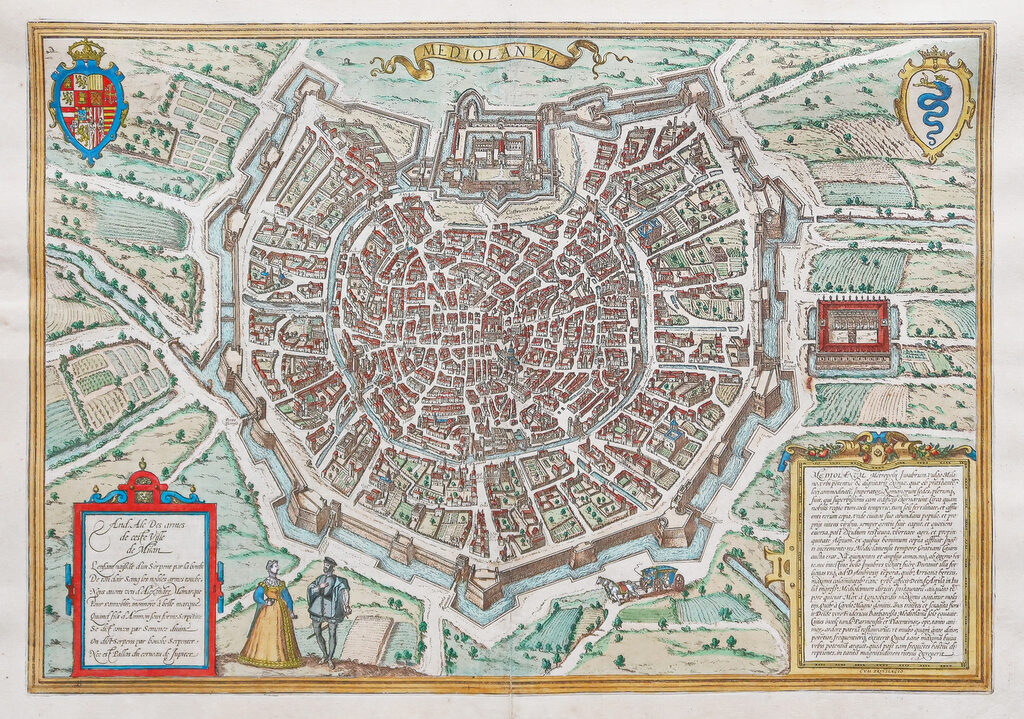
At the time, women of her social standing had little more than two options: to marry and run a household of their own—under their husband’s authority, needless to say—or to enter a convent as a nun. The composer in question chose the second path: under the name Chiara Margarita, she began her novitiate at the age of 17 at the Monastery of Santa Radegonda.
This Benedictine convent was less prestigious than two other convents for women in Milan, but it attracted far greater attention for the musical abilities of its nuns. Upon entering the convent, Chiara Margarita undoubtedly received a solid vocal education there. Her elder sister had already entered the convent a few years earlier, and, after a year as a novice, Chiara Margarita took the black habit. She subsequently rose to the offices of abbess and prioress.
Allegro – The Archbishop Who Sought to Silence the Nuns
It was during Cozzolani’s first term as abbess that a conflict with far-reaching consequences erupted with Alfonso Litta, the conservative Archbishop of Milan (1608–1679; bishop from 1652).
A young nun from a noble Spanish family, Maria Faustina Palomera, is reported to the abbess for breaches of moral conduct and discipline: on the day after Ash Wednesday in 1659, she is said to have broken the rules of enclosure. She allegedly left the convent on her own initiative in the company of two noblemen who were courting her, returning only on Friday. Some of the other “brides of Christ” also held her in low regard, as Palomera sometimes had a tendency to make rather too much of her aristocratic origins. She also directed one of Santa Radegonda’s two choirs of nuns. Cozzolani, who headed the other, and Palomera thus competed for the convent’s best musicians. After Abbess Chiara Margarita appealed to a superior abbot, Sister Maria Faustina defended herself, but to no avail: her case fuelled the reforming zeal of Archbishop Alfonso Litta. A nun had no business leaving her “earthly Jerusalem”—the convent—during the principal penitential season of the year.
While the official proceedings drag on for a year and a half, the archbishop causes a genuine scandal in Milan, considering himself personally affronted in his spiritual dignity. As a result, he deprives the nuns of Santa Radegonda of the sacraments.

Passionate about early music and want to read this subscriber-only article?
If you are not a subscriber, join the international Total Baroque community. Subscribe here from 5.00€.
I subscribe
If you are already a subscriber, sign in.
I sign in 



You must be logged in to be able to post comments.
Sign in