




# TopicsAnniversary Baroque CD New Releases Early music festival Focus guests Heritage History interview music pictures of the Week Playlist of the week Portrait Presto Record of the month Records Report Video of the week Young talents
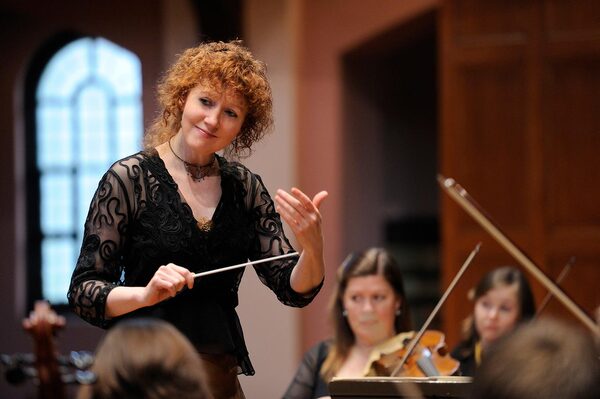
In Cleveland as in London, Apollo’s Fire defies the narratives of classical music’s decline. Founded in 1992 by harpsichordist and conductor Jeannette Sorrell, the ensemble has, in just a few decades, established itself as one of the most dynamic forces in the American Baroque landscape. Balancing fidelity to Affekt with bold programming, it continues to attract ever-growing audiences, driven by a vibrant stage presence and an undiminished artistic vision.
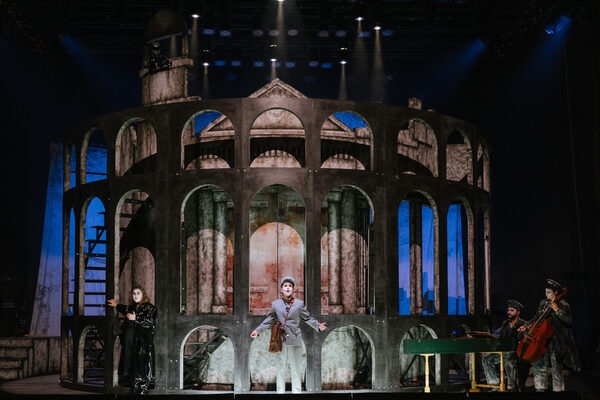
The ensemble Les Surprises and its founder and musical director, Louis-Noël Bestion de Camboulas, are celebrating their 15th anniversary in 2026, notably with a new production of Purcell’s Dido and Aeneas, on the bill since February. This emblematic work of the Baroque repertoire is reimagined by the ensemble in an original staged form: an all-female cast, musicians integrated into the action, spoken texts, and a choreographic dimension.
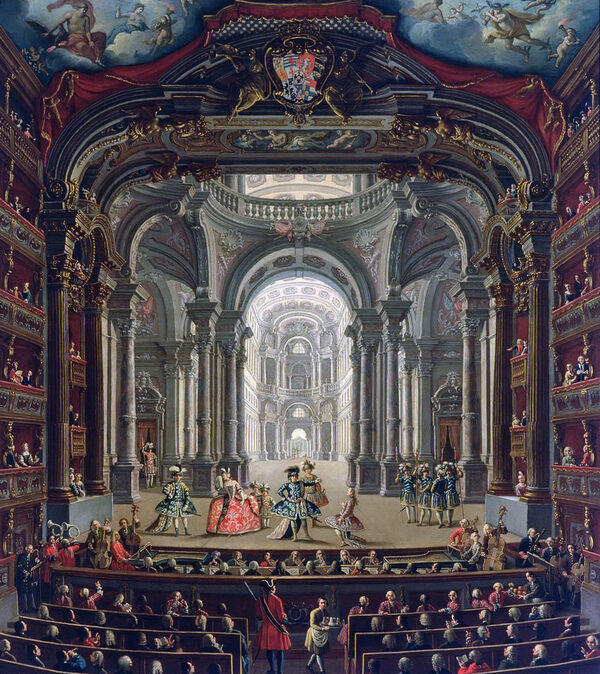
Do you know about the “trunk arias” that opera singers carried with them in their luggage in the seventeenth and eighteenth centuries? In this third instalment, we set off across Europe, in search of Italian opera. After the journey of church chant in the early Christian centuries and the travels of Franco-Flemish music during the Renaissance, this episode invites us to discover a genre newly born in Florence which, in less than a century, conquered all of Europe.
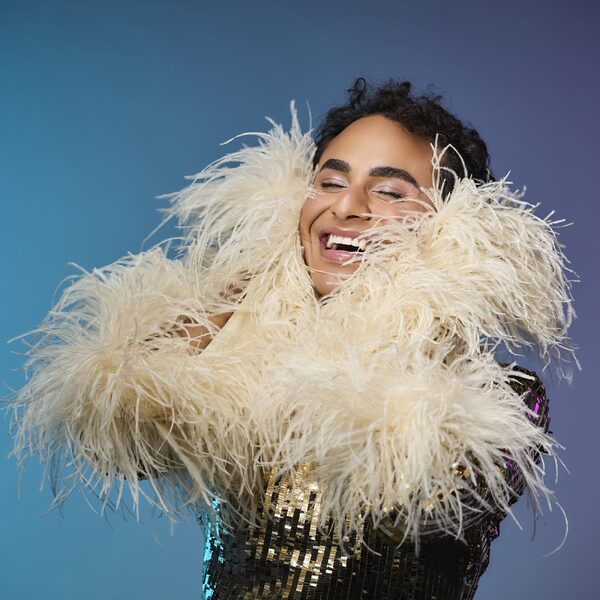
Trained in Caracas and then at the Conservatoire de Paris, the sopranist Samuel Mariño, with his crystal-clear, high-pitched voice, recounts how he failed his diploma because he was not a countertenor, how he sources his flamboyant stage costumes in thrift shops, and why he dreams of a kinder and more benevolent world than the one in which he spent his childhood.
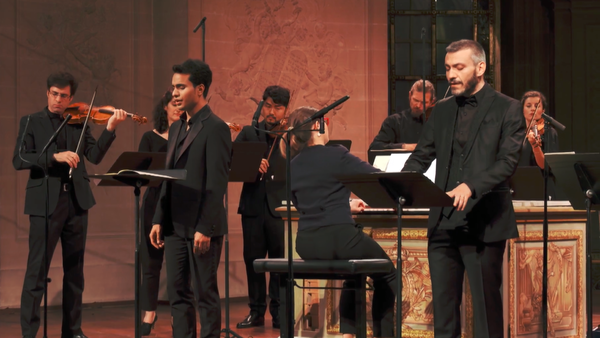
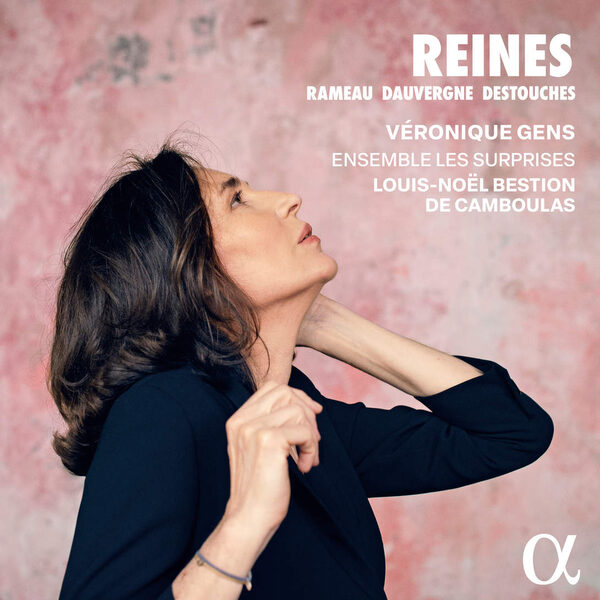
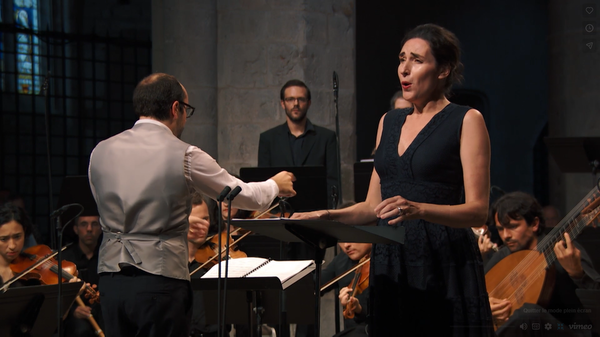
With “Reines”, Véronique Gens and the ensemble Les Surprises offer a journey through French opera, from Lully to the late eighteenth century. Between figures of power and wounded heroines, the programme unfolds a true dramaturgy, shaped by a collective approach and a keen sense of musical theatre.
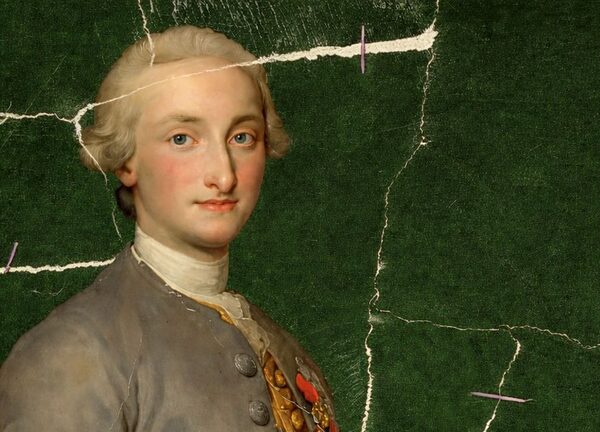
With his Concerto 1700, violinist Daniel Pinteño continues his exploration of 18th-century Spanish musical heritage. His latest recording of Gaetano Brunetti’s “String Quartets, Op. 3” reveals a court composer whose writing is both refined and full of wit.
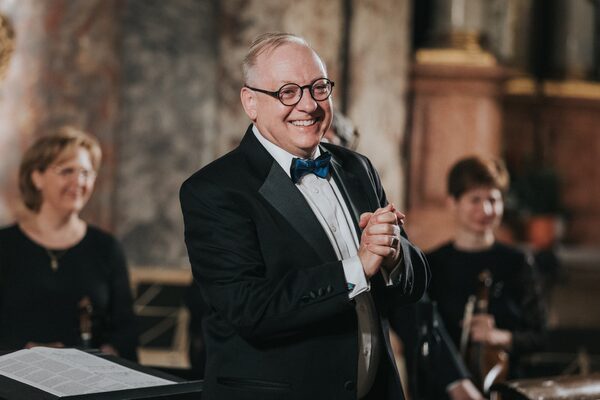
After thirty-five years at the helm of San Francisco’s Philharmonia Baroque Orchestra (and a career that spans several decades), British conductor Nicholas McGegan is set to receive a lifetime achievement award. From Rameau to Handel, from the harpsichord to the podium, we look back at the career of a leading musician who has helped revive a whole swath of the Baroque repertoire.
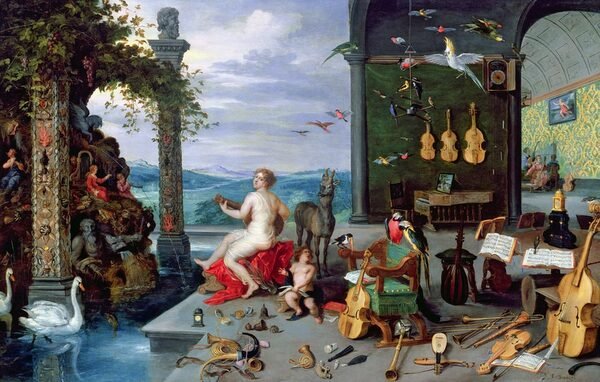
From a small region, today spanning northern France and Belgium, from the Scheldt Valley to the great European courts, Renaissance composers shaped a musical language in constant motion. Movements, influences, and exchanges formed a dense network at the heart of which a shared aesthetic emerged—one we now refer to as Franco-Flemish.
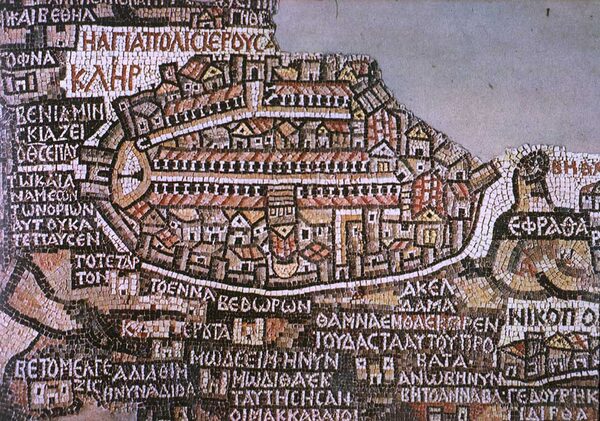
From church music (chant) in the time of the first Christians to the composers of Italian opera in the 18th century, by way of the Franco-Flemish musicians of the Renaissance, musicologist Anne-Charlotte Rémond takes us through the journeys of music from the 4th to the 18th century, in a fascinating series of three articles. How, in the past, did music actually travel? Today, follow Egeria’s adventure from Europe to Jerusalem, around the year 380.
