


 Where should we look for the Bach works that no one has yet found? In a small church in Saxony, buried deep in a dusty file, or even among Arabic manuscripts… In this second part of our interview, Peter Wollny explains how researchers at the Bach Archive track down the composer’s lost works and documents. A treasure hunt in which you need to know where to look—and sometimes count on a stroke of luck!
  By
By  10 minutes


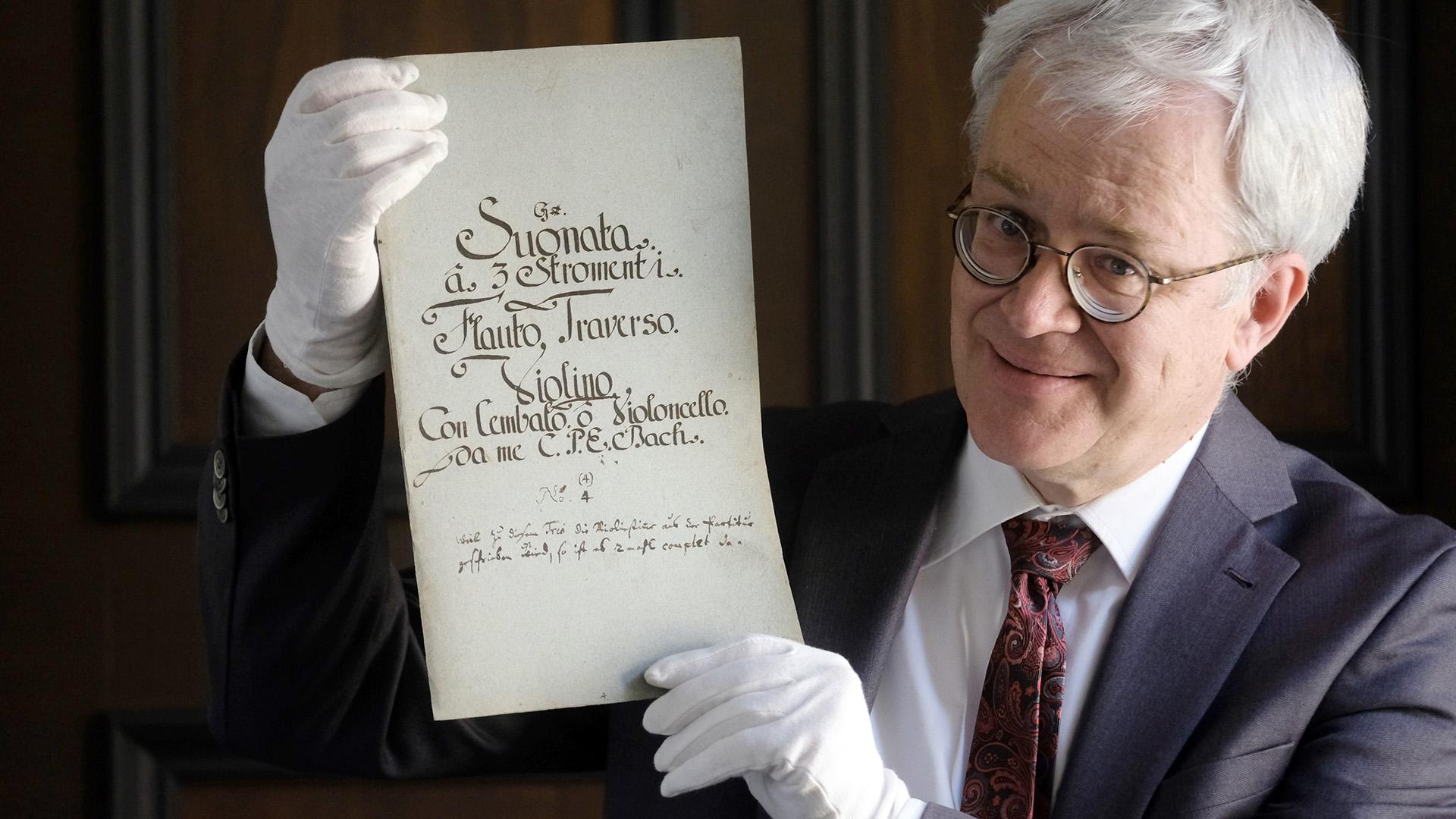
Johann Sebastian Bach is undoubtedly one of the best-studied Baroque composers: the BWV catalogue of his works now lists 1,179 entries. Countless books have been written about him, his music, his life, and his work, alongside a vast array of musical editions of every piece in this immense body of work. And yet, previously unknown works continue to surface from time to time, manuscripts lost for centuries are rediscovered, or works whose authorship had long remained uncertain can finally be attributed to him with confidence. In this second part of our interview with Peter Wollny, director of the Bach Archive Leipzig, we asked him where and how, as a Bach scholar, one actually goes looking for such rediscoveries—or whether it is simply a matter of leaving things to chance.
Peter Wollny, do you actively search for lost works by Bach when you know, in theory, that a piece once existed? In other words, do you try to trace its journey, locating works on the basis of biographical details? Or have the rediscoveries of the past 40 or 50 years been more a matter of chance?
Peter Wollny: I would describe them more as chance discoveries that you help bring about. You can never entirely do without chance, but if you set out blindly, you generally find nothing. You need an idea, a starting point—sometimes even just a hunch. Over time, you also develop a kind of instinct that tells you where to look. It is difficult to explain: it is a mixture of experience, curiosity, and intuition. But you also have to take an interest in a great many things. For my part, when I had more time, before becoming director of the Bach Archive, I was insatiably curious about the music collections preserved here in central Germany. I wanted to examine them all, understand how they had been assembled, and trace their history. And in doing so, you sometimes come across a detail that intrigues you and stays with you. One example: while consulting the catalogue of the music collection at the church in Mügeln, Saxony, I noticed the opening words of a text from Picander’s collection of cantata texts. That was rather surprising, because Picander is primarily associated with Leipzig. So I wrote to the parish office to ask when I could come and consult the document in person. I went there, they showed me the collection… and I came across the autograph manuscript of an early work by Carl Philipp Emanuel Bach, dating from his years in Leipzig, before he left to pursue his studies, around 1733–1734.
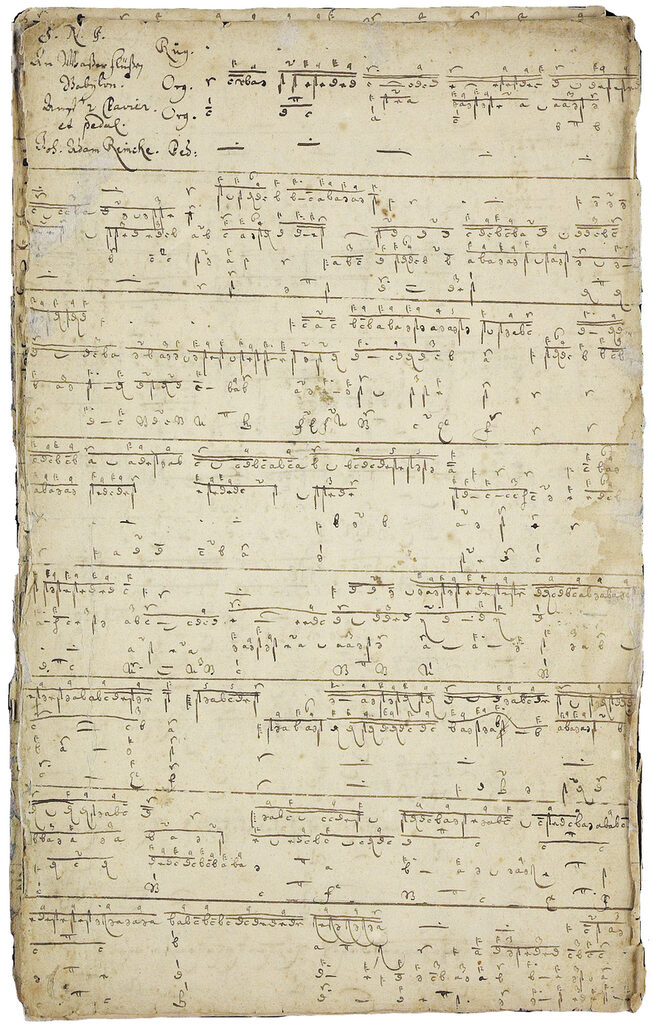
So this meant that a document coming directly from Bach’s apartment had ended up in a small country church: one of his sons must have sent it there! Naturally, I then wanted to examine the entire collection systematically, some 300 manuscripts in all. And I was right to do so: I discovered an autograph manuscript by Johann Sebastian Bach! It was a copy of a Mass for small forces. It was not a work by Bach himself, but by another composer, which he had copied out, correcting errors in the voice leading in his own hand as he went.

Passionate about early music and want to read this subscriber-only article?
If you are not a subscriber, join the international Total Baroque community. Subscribe here from 5.00€.
I subscribe
If you are already a subscriber, sign in.
I sign in 
You must be logged in to be able to post comments.
Sign in