


 It all begins with an anomaly: in Uppsala, a dozen Italian arias are catalogued under the title of a German opera from 1690. Impossible. Years later, a libretto found in Copenhagen provides the key: these pieces belong to a “Don Quixotte” performed in 1716 to entertain Peter the Great. The next task was to shed light on the man associated with the work. Singer, composer, valet de chambre and even supplier of lemons to the Danish court, Theodorus Meyer gradually emerges from the shadows. A musical investigation with all the twists of a European treasure hunt, it also restores to view one of the few surviving traces of Italian opera at the court of Frederick IV.
  By
By 


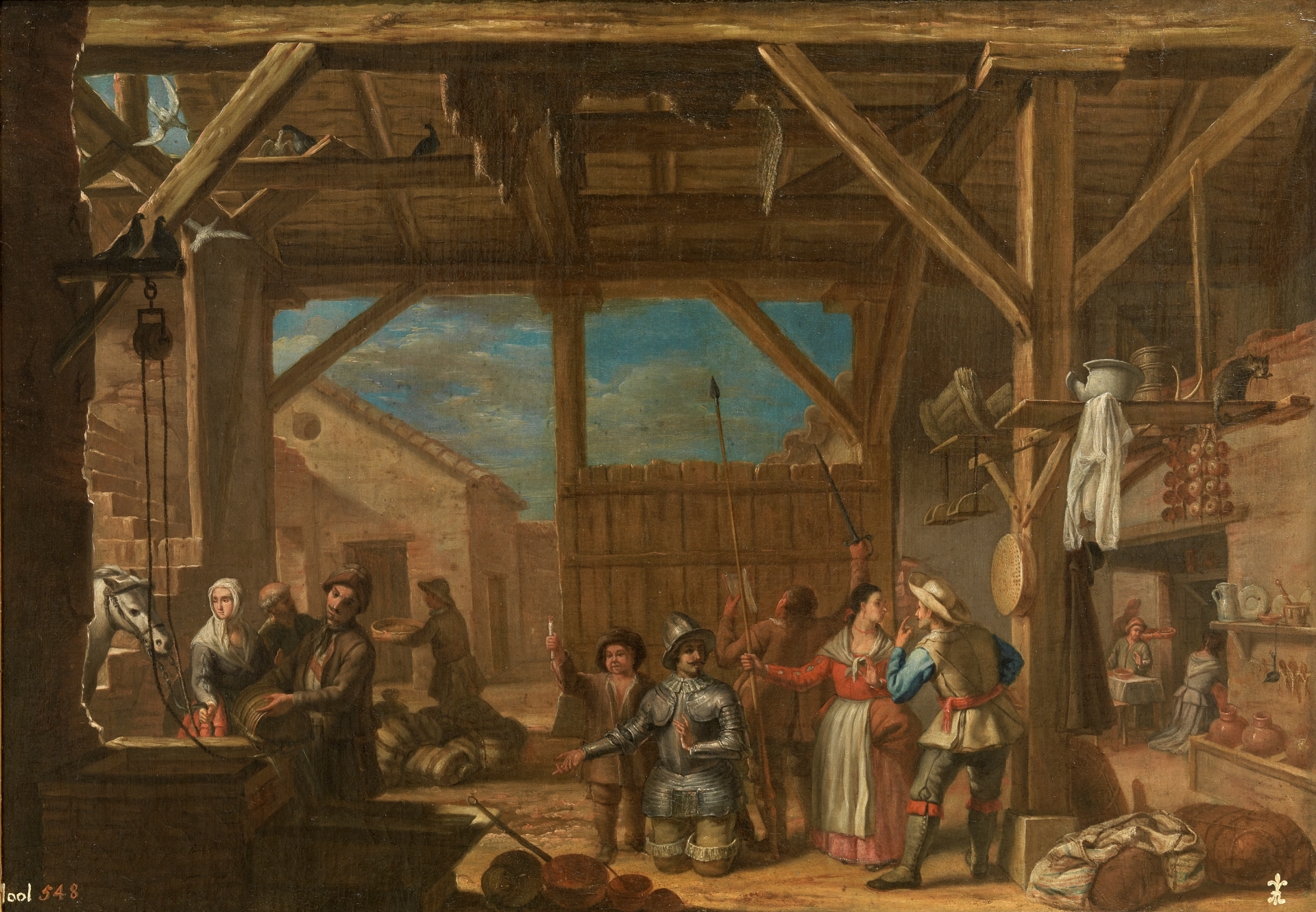
In libraries and archives across Europe lies music that has slumbered, forgotten, for centuries—unperformed for 200, 300, or 400 years, often not even consulted, and sometimes wrongly attributed. Such is the case of Don Quixotte, a “Divertimento Italiano in Musica” performed at the royal court in Copenhagen in the summer of 1716, on the occasion of Tsar Peter the Great’s visit. Between Uppsala, Copenhagen, and Hamburg, the investigation reconstructs the journey of misattributed scores, sheds light on the little-known figure of Theodorus Meyer, and, along the way, encounters a more dramatic episode in his life: the attack on the stagecoach bringing him back from Berlin in 1711!
Rediscovering an opera
It all began in the spring of 2004. At the time, an exhibition was being held at Charlottenburg Palace in Berlin, devoted to artistic adaptations of the Don Quixote theme, particularly in paintings and tapestries from the early eighteenth century. While talking with one of the art historians responsible for the exhibition, we began discussing adaptations of the theme in ballet and music around 1700. This interested me, and I began doing some research – and I remembered having once read the name Don Quixotte in a catalogue of the famous music collection at Uppsala University Library in Sweden, Carolina Rediviva (The Düben Collection).
This aroused my curiosity, so I examined their online catalogue more closely and found a set of anonymous scores: manuscript scores of an overture, a duet, and around a dozen arias; all these vocal pieces were in Italian. And that intrigued me. At the time, these pieces had been catalogued by the library as belonging to the opera “Der irrende Ritter Don Quixotte de la Mancia” (Hamburg, 1690) by the physician and composer Johann Philipp Förtsch (1652–1732), who had indeed worked for many years in Hamburg, first as a singer and then as Kapellmeister, and who wrote various operas for the city’s musical theatre. But, as I noticed at first glance, this simply could not be true: Förtsch’s Hamburg operas were composed to German-language librettos. And his contributions to Hamburg’s early operatic repertoire had long since become a thing of the past by the time Italian was first sung in the temple of the Muses on the banks of the Alster!
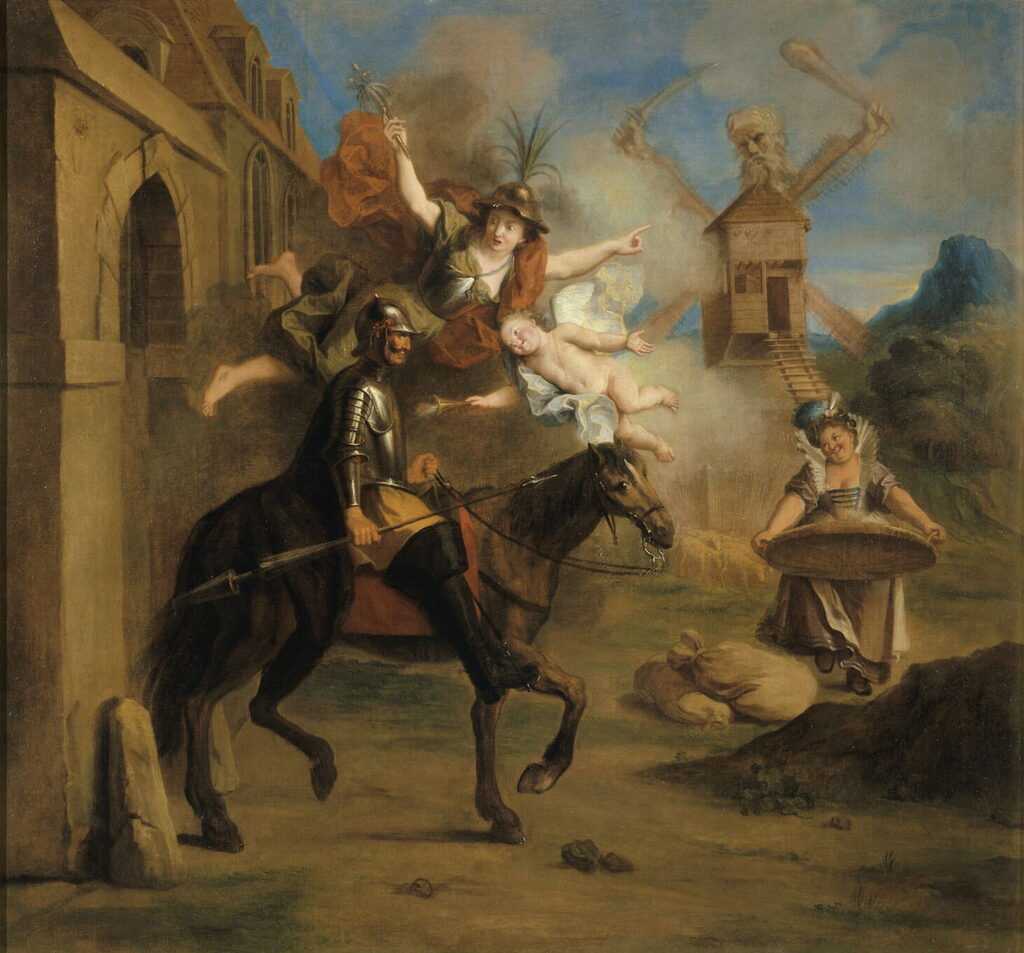
By comparing the opening lines of the pieces preserved in Uppsala – an overture, a duet, and around a dozen arias – with those of other operas inspired by Don Quixote, the duet appears to be traceable to Il Don Chissiot della Mancia, premiered in Venice in 1680 to a libretto by Morosini and music by Carlo Fedeli, known as “Sajon” (c. 1620–1685). It remained, then, to identify the origin of the dozen or so arias that accompanied it. Unfortunately, at the time, I did not have the opportunity to pursue the research any further. Yet the matter never left me and continued to develop in a corner of my mind for years, slowly but steadily…

Passionate about early music and want to read this subscriber-only article?
If you are not a subscriber, join the international Total Baroque community. Subscribe here from 5.00€.
I subscribe
If you are already a subscriber, sign in.
I sign in 


You must be logged in to be able to post comments.
Sign in