


 In March, Zurich aims to become the world capital of early music: shortly before Easter, from March 20 to 29, the new festival “Zürich Barock” will celebrate its first edition. Created by Matthias Schulz, director of the city’s Opera House, the event–featuring international headliners such as Philippe Jaroussky, Cecilia Bartoli, Max Emanuel Cenčić, and Raphaël Pichon–promises to be one of the highlights of the season. Matthias Schulz offers us an overview of this new format, which he envisions as distinctly international.
  By
By 


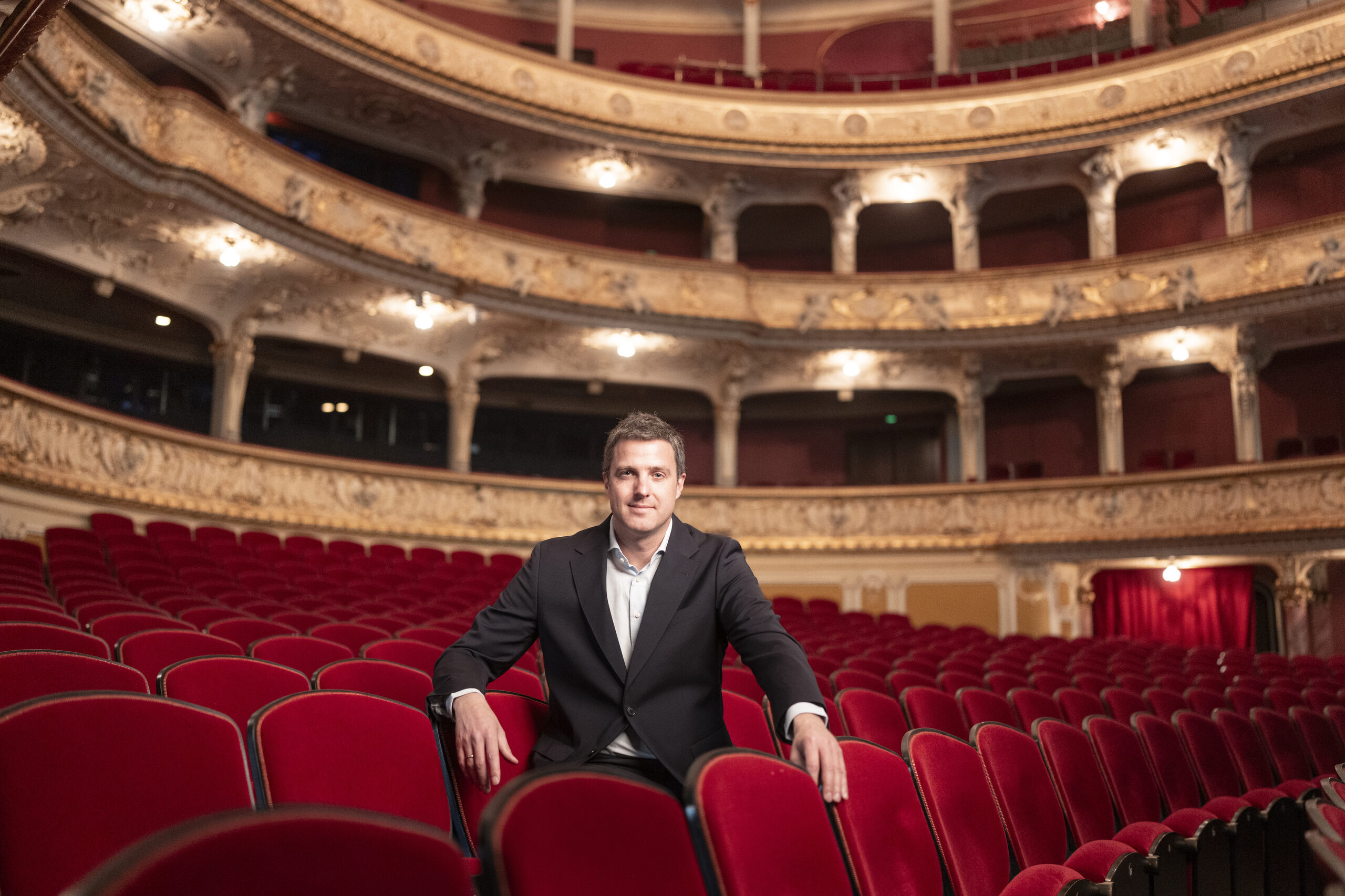
Having launched the Barocktage (“Baroque Days”) at the Staatsoper Unter den Linden in Berlin, Matthias Schulz is continuing in Zurich a reflection he has long pursued on the place of this music today. Between the rediscovery of treasures such as Scylla et Glaucus by Jean-Marie Leclair, fidelity to landmark works by Handel, and a desire to open the festival both to the city and to younger audiences, he outlines the contours of an event conceived as an immersion. For ten days leading up to Easter, the project will bring together operas, concerts, and formats dedicated to families, in order to present Baroque music as an immediate, urgent, and embodied experience, far removed from any museum-like approach.
Where does your commitment, as General Director of the Zurich Opera House, to early music and Baroque opera come from?
Matthias Schulz: It is linked to the innovative developments of the past 30 years in the field of Baroque music. This new sound–with gut strings, special bows, extreme energy and without vibrato–has made the music incredibly “rock-like” and exciting. Added to this is the impressive number (at least 25,000!) of 18th-century operas still unknown to our ears. Every performance is a journey of discovery, both in terms of sound and of the works themselves. That fascinates me…
Were there any formative experiences at the beginning?
M. S.: I really first encountered this music through the Salzburg Festival, particularly during the Mozart22 project [complete presentation of Mozart’s 22 operas] in 2006. Pioneers such as Marc Minkowski and Nikolaus Harnoncourt approached this music not academically, but with physical and emotional force. These personalities deeply impressed me. The Salzburg Festival Pentecost, also held in Salzburg, further strengthened my desire to create such a crucible myself, where the different approaches to this music could become visible.
After Salzburg, you founded the Barocktage in Berlin and are now launching Zürich Barock in Zurich. Which ideas have you carried over from your Berlin event, and what is new in Zurich?
M. S.: Both venues share that particular intimacy, with seating capacities of 1,100 to 1,300. In Zurich, it is even more intense: you sit immersed in sound, which suits the rich harmonics of Baroque music extremely well. For me, as a programmer, that is a gift. The fact that La Scintilla, our resident orchestra, is able to develop this sound goes back to a letter from Nikolaus Harnoncourt; this commitment is inscribed in the house’s DNA and is unique in Europe!
But I would like to stress that La Scintilla is not merely an orchestra playing on historical instruments. It’s an ensemble that develops its own programming. Over the years, its musicians have shaped a style that makes this music alive rather than museum-like. When you hear them rehearse, you sense that curiosity, that interest in research. That is something very precious. Nevertheless, I find it important to invite other orchestras to the festival. This challenge highlights the diversity of approaches, which for me goes hand in hand with the idea of discovery. Take the composer Jean-Marie Leclair (1697–1764): hardly anyone here knows his name, yet his only opera, Scylla et Glaucus, is a masterpiece. The opportunity to present such a work and place it alongside well-known pieces such as Handel’s Giulio Cesare is something that completely thrills me. And we are not only presenting Leclair in opera, but also in concert, as a chamber musician and violin virtuoso. This allows us to paint a complete picture.
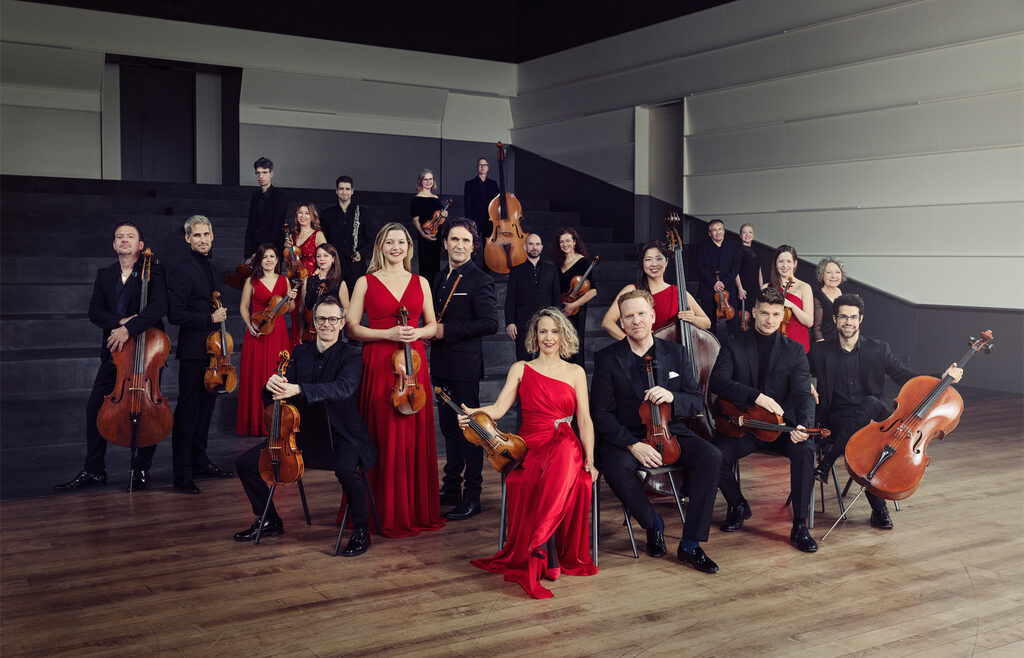
A festival also makes it possible to forge closer ties with the city and with international guests. Three operas, two of them staged, together with concerts and a programme for young audiences– that is quite unique in the Baroque field. The idea is to be able to immerse oneself fully in this sound world for ten days, from morning to night.
Passionate about early music and want to read this subscriber-only article?
If you are not a subscriber, join the international Total Baroque community. Subscribe here from 5.00€.
I subscribe
If you are already a subscriber, sign in.
I sign in 


You must be logged in to be able to post comments.
Sign in