


 In a bend of the Danube, 80 km from Vienna, Melk Abbey (Austria) hosts a Baroque music festival every year at Pentecost, set against an enchanting backdrop. Artistic director and tenor Michael Schade has just unveiled the 2026 edition.
  By
By 


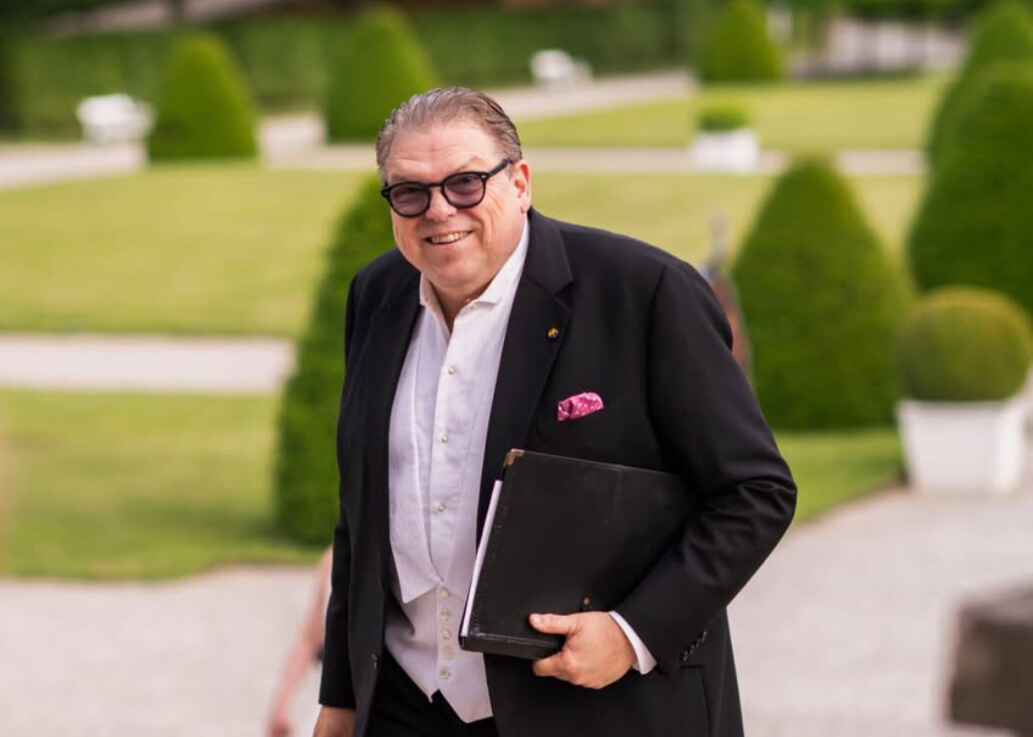
A Mozart and Wagner tenor, born in Geneva and raised in Toronto (Canada), Michael Schade has served as artistic director of the festival since 2014. Now living in Vienna, just 80 kilometers from Melk Abbey, which overlooks the Danube, he says he was forever marked by his discovery of the place in December 2001, at a Handel concert conducted by Nikolaus Harnoncourt. He has just unveiled the 2026 edition of the festival in Vienna, which traditionally takes place over the Pentecost weekend.
How would you introduce the International Baroque Days at Melk Abbey to an international audience?
Michael Schade: I think the answer is both very specific and very simple. We are incredibly fortunate to be in a famous place: Melk Abbey, a UNESCO World Heritage Site. It’s located in one of the most beautiful regions of Austria, the Wachau, along the Danube. That said, we are not just a World Heritage site, but also a wine region. The best white wine in Austria comes from here.
Melk has a threefold identity: first, there’s the magnificent Benedictine abbey. But it’s also a university, with one of the largest libraries in the world—knowledge lives here, alongside faith. And finally, Melk was originally a fortress from the Babenberg dynasty in the 11th century: part of the abbey is made up of massive walls that were once used for defense. Why does that matter? Because our way of thinking is profoundly shaped by the active faith of the Benedictine monks, whose motto is: “Pray, work, and read.” These are cultured men, outstanding teachers, philosophers, and masters of clear language.
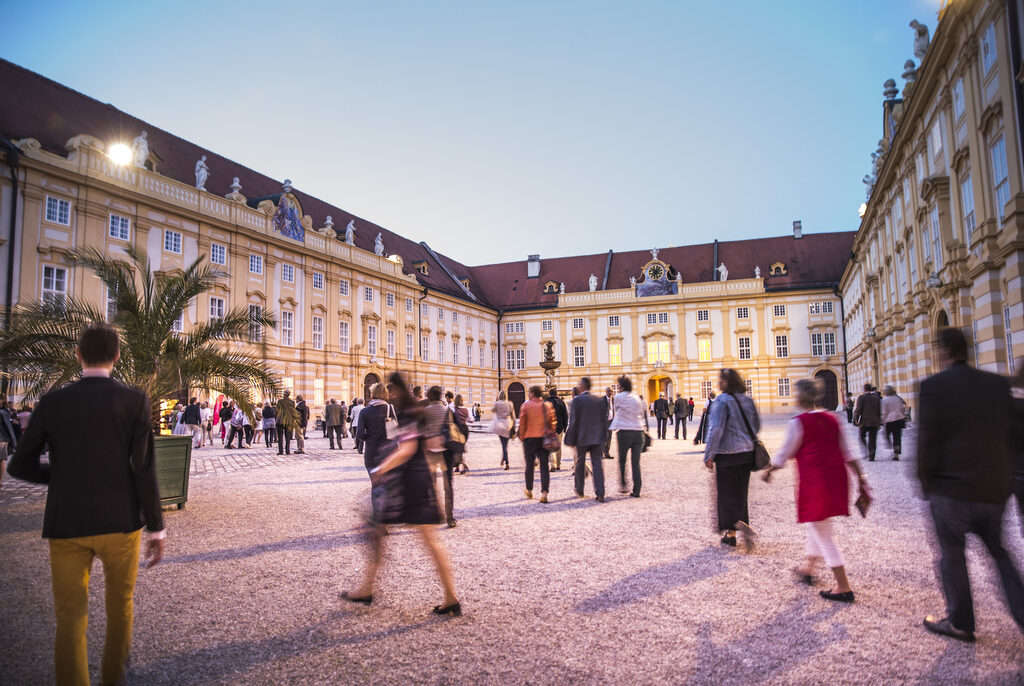
Everyone who enters the abbey is treated as if they were Jesus. One feels welcome, warmly received—it’s a genuine exchange. Each concert during our Baroque Days is infused with this spirit. Not only do we have the best orchestras and ensembles in the world, but every evening concludes with a gathering over bread, wine, and conversation. When Pablo Heras-Casado performs, guests have the chance to thank him personally after the concert and share a drink with him. It’s a moment of conviviality, part of the abbey’s, the castle’s, and the university’s proud tradition. Anyone who comes to Melk leaves transformed.
Passionate about early music and want to read this subscriber-only article?
If you are not a subscriber, join the international Total Baroque community. Subscribe here from 5.00€.
I subscribe
If you are already a subscriber, sign in.
I sign in 
You must be logged in to be able to post comments.
Sign in