


 Born in Florence but celebrated in Versailles, Jean-Baptiste Lully remains unknown in his native country. Federico Maria Sardelli and Samuele Lastrucci wanted to remedy this oversight by founding a Lulli Institute in the heart of his hometown.
  By
By 


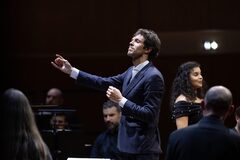
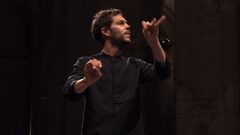
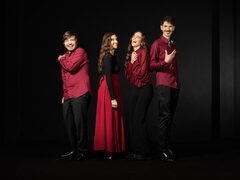
To restore Florence’s memory of its illustrious son Giovanni Battista Lulli, who became Jean-Baptiste Lully, a leading composer of 17th-century France, Federico Maria Sardelli and Samuele Lastrucci created the Giovanni Battista Lulli Institute. Still searching for a permanent home, the new institution is already organizing concerts, masterclasses, and other initiatives dedicated to Louis XIV’s favourite musician. In this interview, Samuele Lastrucci, who is also director of the Medici Museum and the ensemble I Musici del Gran Principe, discusses the institute’s activities and reveals its plans for the future.
How and when did the idea of creating a Lulli Institute in Florence arise?
Samuele Lastrucci: It was created in 2022, on the 390th anniversary of the composer’s birth. In previous years, I had the opportunity to specialize in French Baroque repertoire in Versailles, which is a language in its own right. I have always stayed in touch with my teacher, Federico Maria Sardelli, even during this wonderful experience, and I think I reawakened an old love in him, because when he founded the Modo Antiquo ensemble, he dedicated his first concert, now forgotten by everyone because we were very young, to Lully’s ballet Les Saisons, performed in Livorno on a raft in the canals of the Tuscan city. After studying with Sardelli in Fiesole, I followed a two-year course with him in baroque practice and ensemble work. I had a strong calling for the French repertoire, and I had the privilege of being welcomed by the Centre de musique baroque de Versailles.
And then, after this wonderful experience, when I returned to Florence, Maestro Sardelli said to me: “Enough is enough, we must bring Lulli back to Italy!” Not out of patriotism, but because almost no one knows him, or at least, he is not played enough. The same goes for other composers: who plays them in Italy? That’s how the idea for the institute was born. A big concert was organized, which I conducted, with a Lulli repertoire and a motet written in the French style by Maestro Sardelli, who is also a composer. That’s how we started, and the institutions showed such keen interest that a few days later we were invited by the Teatro del Maggio Musicale, then directed by Alexander Pereira, and began a collaboration that continues to this day.

Passionate about early music and want to read this subscriber-only article?
If you are not a subscriber, join the international Total Baroque community. Subscribe here from 5.00€.
I subscribe
If you are already a subscriber, sign in.
I sign in 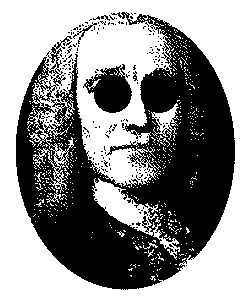

You must be logged in to be able to post comments.
Sign in