


 In 1636 she chose the cloister, but her music soon transcended its walls: guided by her faith, Isabella Leonarda composed with a rare freedom in a male-dominated Italy.
  By Rashid-Sascha Pegah


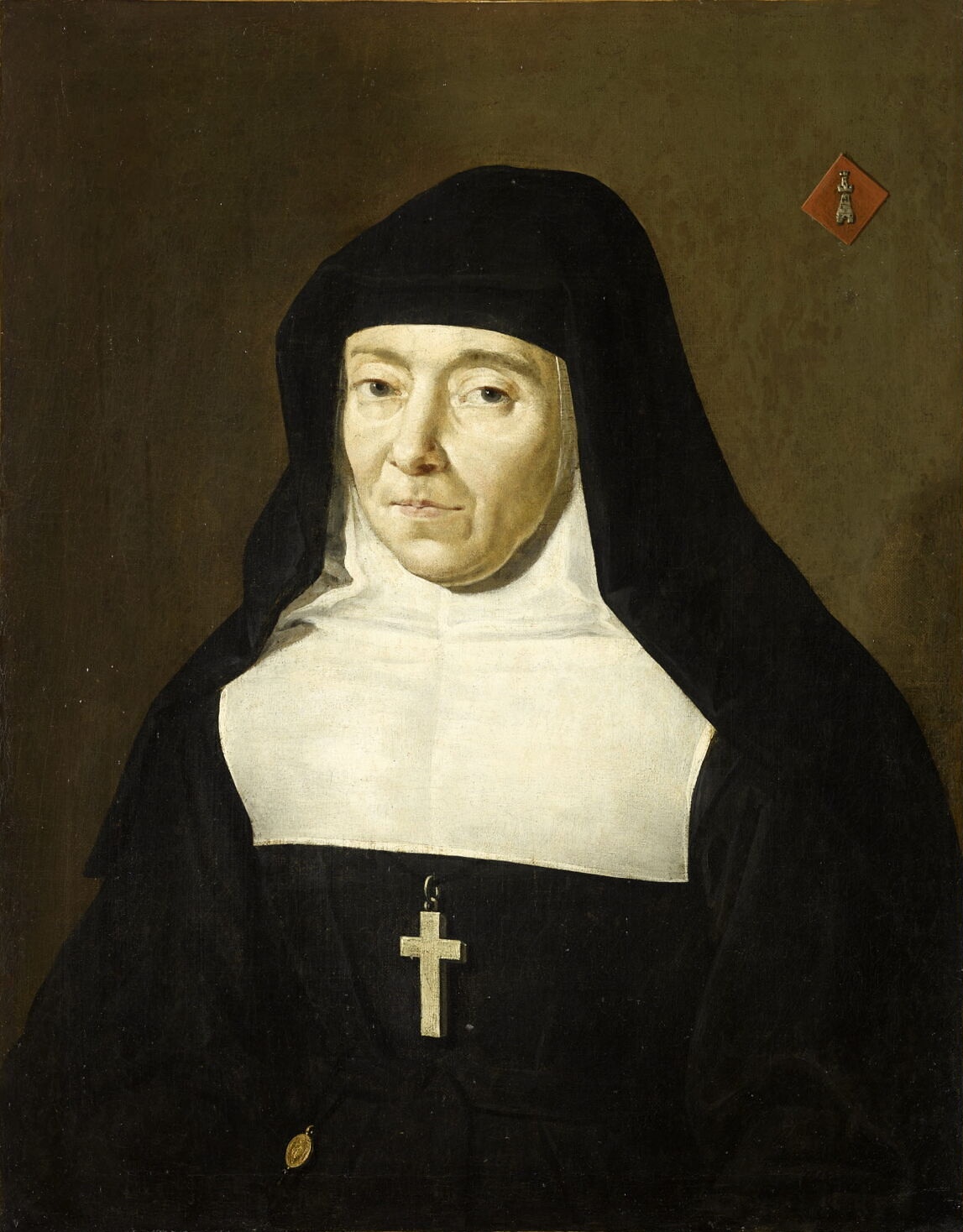
Born in Novara in 1620, Isabella Leonarda emerged as a key figure of sacred baroque. An Ursuline nun and teacher, she published twenty collections between 1660 and 1700, ranging from motets to instrumental sonatas — a first for a woman. Admired in her own time and rediscovered today, she stands as a pioneer of female creativity in Europe’s seventeenth-century musical world. This year marks the 405th anniversary of her birth.
Vivace: A Daughter from a Good Family

Passionate about early music and want to read this subscriber-only article?
If you are not a subscriber, join the international Total Baroque community. Subscribe here from 5.00€.
I subscribe
If you are already a subscriber, sign in.
I sign in 
You must be logged in to be able to post comments.
Sign in