


 The Bachfest in Leipzig is a chance to discover Bach at home, in the intimate settings where he lived—and maybe even catch him in his underwear around the corner of a museum.
  By
By 


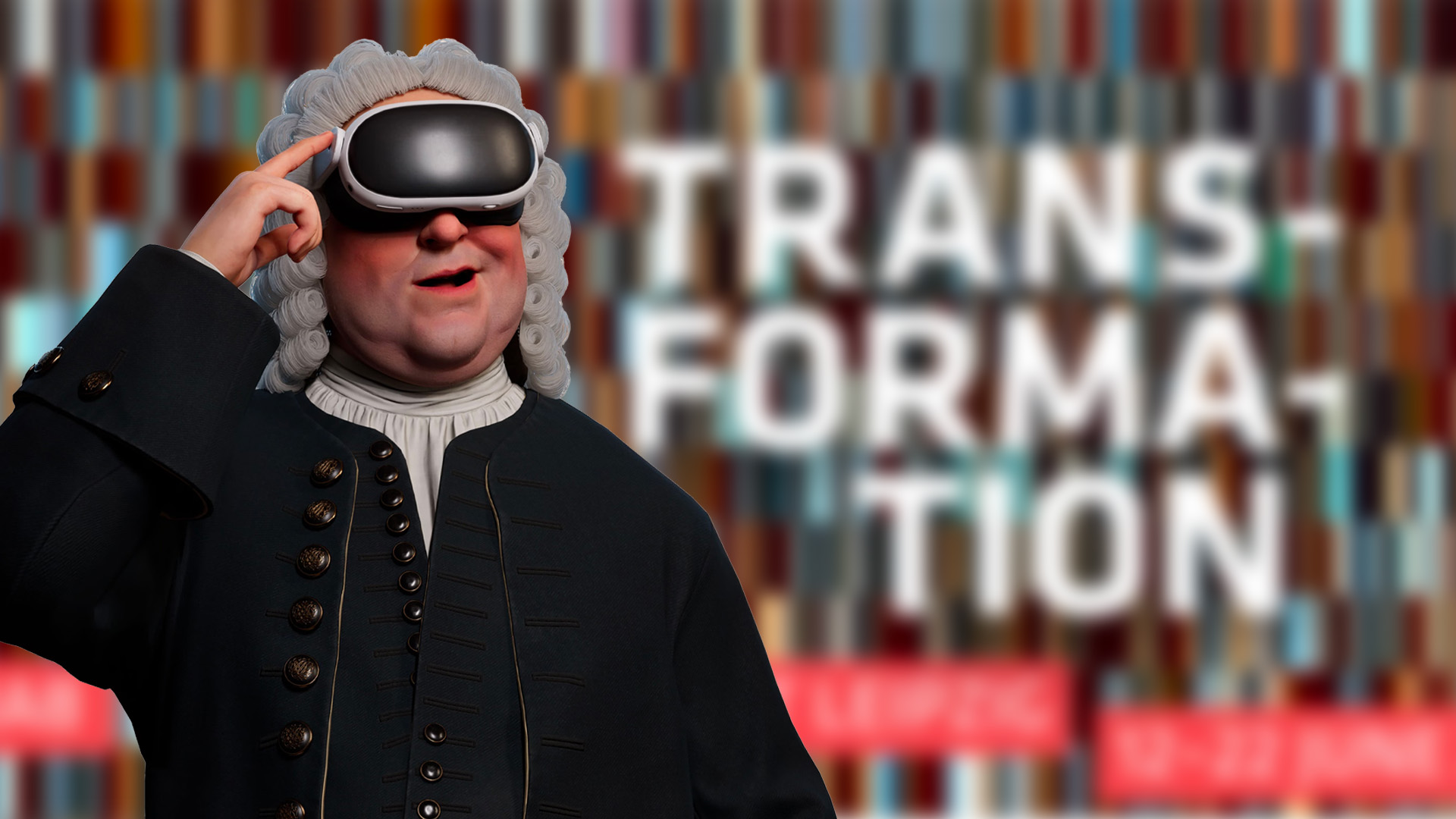
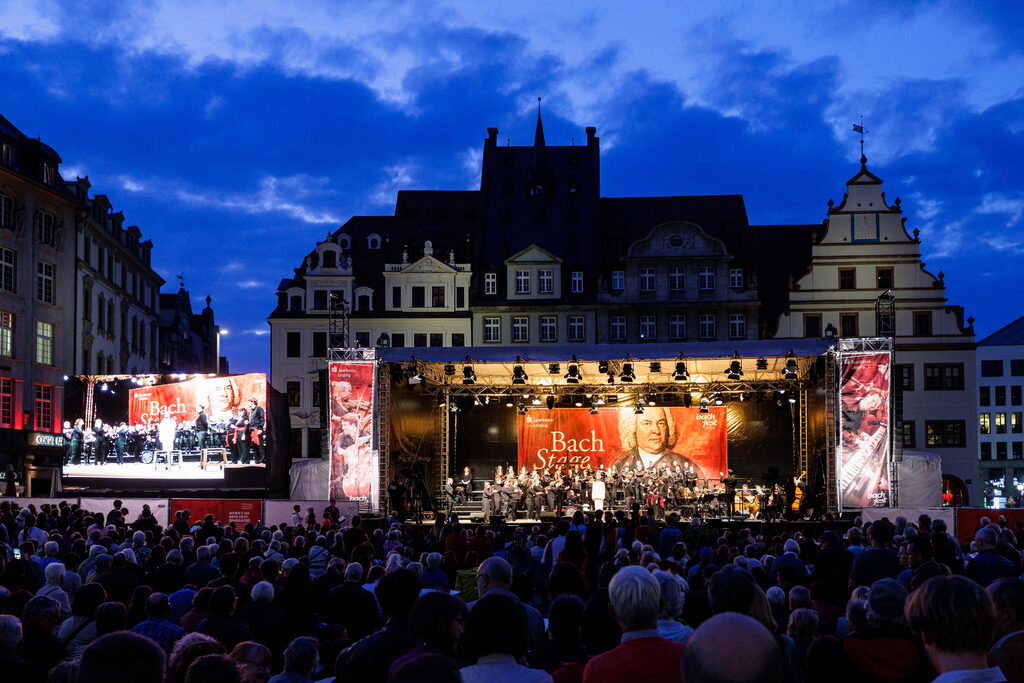
From the Mass in B minor to augmented reality in Bach’s house, from full symphonic orchestra to baroque ensemble, Bachfest Leipzig is not a festival devoted solely to early music. It’s worth noting that the two most prestigious ensembles in this eastern German city, the Thomanerchor (today far more robust than in Bach’s day) and the Gewandhaus Orchestra (a modern symphony orchestra) are traditionally deeply involved in the festival’s programming. But above all, this is an authentic dive into music history, taking us to the very places where some of the works were created, while also exploring the city’s vibrant cultural life.
The theme of “transformation” is at the heart of this year’s Bachfest Leipzig, held since 1999 in the original venues (when preserved) where Bach worked from 1723 until his death in 1750. The festival’s director, Michael Maul, musicologist and researcher at the Bach Archive Leipzig, explains the theme: “Yes, the word ‘transformation’ is everywhere right now. It might seem like we’re just following a trend. But I believe that, looking at our program, one can see the opposite: that ‘transformation’ really brings out a lifelong dimension of Bach’s work.”
And this through a wide variety of perspectives, all explored in the festival’s programming: first, in the way Bach developed the styles and traditions of his predecessors. “And he didn’t do it out of a taste for pastiche, but to create his own style,” Maul explains. He gives the example of Pergolesi’s Stabat Mater, which Bach transformed into a cantata, Tilge, Höchster, meine Sünden, “in other words, a paraphrase of a psalm. He completely recomposed the alto part, because in Pergolesi, there were too many colla parte passages between the alto and the second violin. In doing so, he turns a masterpiece of Catholic music into a semi-new work, intended for Protestant worship in Leipzig.”
Bach also constantly reworked his own compositions. Maul cites the St John Passion, which had “at least four different performances, each time revised.” Of course, Bach has also captivated jazz, pop, and rock musicians, and his music today forms the basis of many electronic pieces; these facets are also present in the Bachfest’s lineup.
Passionate about early music and want to read this subscriber-only article?
If you are not a subscriber, join the international Total Baroque community. Subscribe here from 5.00€.
I subscribe
If you are already a subscriber, sign in.
I sign in 

You must be logged in to be able to post comments.
Sign in