


 In the mood for magic? Head to the British Library, where baroque treasures meet the enchantment of music and books.
  By
By 


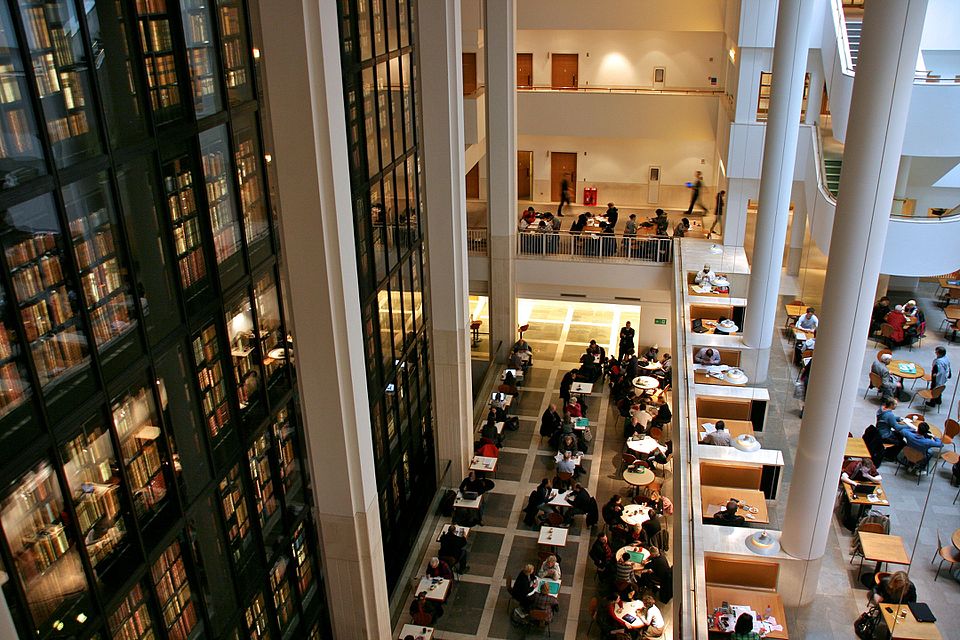
Just a stone’s throw from King’s Cross, between history, music and literary adventure, the British Library houses one of the world’s most impressive collections. From Handel to Harry Potter, from baroque theatre to Francesca Caccini’s pioneering opera, this journey invites you to rediscover a living, vibrant heritage where the past speaks to the imagination.
Riding the Hogwarts Express to the Library
The year was 1997 when the first volume of a book series was published in London—one that, in just a few years, would spark a global reading renaissance. That was the year children and adults around the world first heard about the eleven-year-old Harry Potter, who searches for Platform 9¾ at London’s King’s Cross Station to board the Hogwarts Express to the famed school of magic. And it was also in 1997, less than a ten-minute walk from King’s Cross—just behind it, in the St Pancras district—that one of the world’s largest libraries and research institutions opened its new doors: the British Library.
In its current form, the British Library was established relatively late. It was created as a result of the British Library Act of 1972, which, the following year, merged several London libraries with the British Museum. Through these fusions, the British Library became one of the most important institutions of its kind, although it wasn’t until 1997 that it was finally housed in a building of its own.
This process of merging and consolidating has always been part of the British Library’s story. The institution dates back to 1753, when several major private libraries were incorporated into the British Museum’s holdings. The foundation was laid by naturalist and royal physician Hans Sloane, who bequeathed a collection of over 71,000 objects to the museum. Also, part of the founding collection was the Harleian Collection, a manuscript library compiled by statesman Robert Harley and his son, and the Cotton Library, a substantial manuscript library amassed by politician Robert Bruce Cotton, who died in 1631. The library received its true “royal stamp of approval” in 1757, when King George II added his own collection of about 17,000 volumes to what had now effectively become the national library—a collection that traced its origins back to Edward IV in the 15th century. Over the following centuries, the collection multiplied many times over; its oldest treasures date back as far as 1600 BCE (!)—and it continues to grow daily. One of the British Library’s distinguishing features is its lack of temporal or geographical boundaries. It collects books from all eras and all countries, regardless of language. On the topic of “Harry Potter” alone, it houses over 570 different publications.
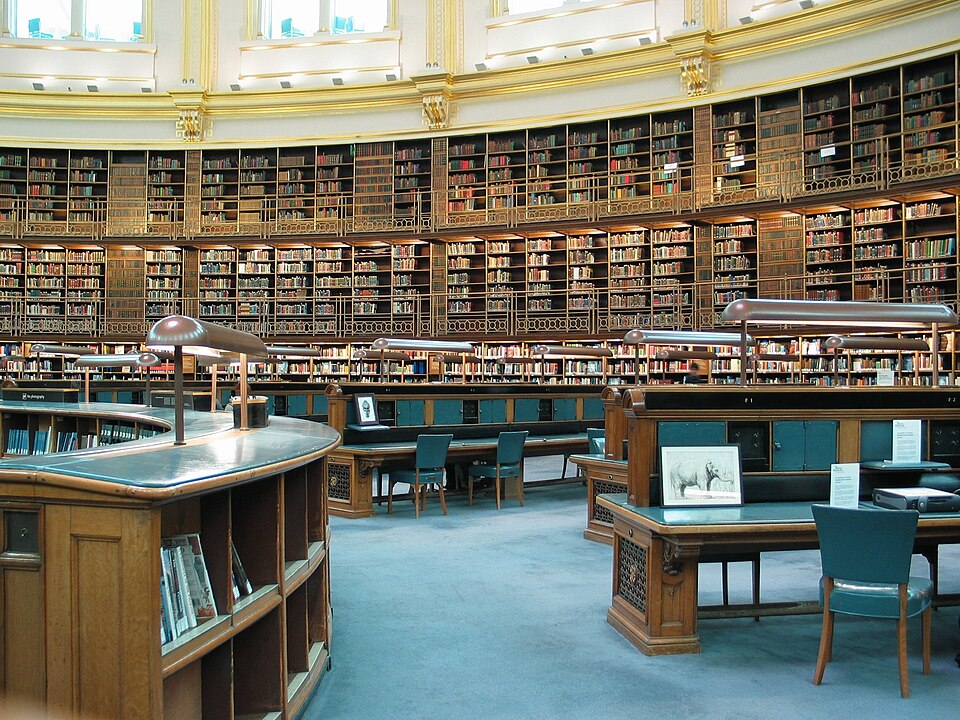
As the world’s largest media repository and second-largest book collection, the British Library holds 1.6 million music items, including scores, copies, and autographs from composers of all eras and nations—even handwritten Beatles lyrics. Of particular interest are the Baroque holdings—music from the very era during which the British Library was, in a sense, originally founded. Here, musicological golden ages intersect fruitfully with bibliographic ambition.
Passionate about early music and want to read this subscriber-only article?
If you are not a subscriber, join the international Total Baroque community. Subscribe here from 5.00€.
I subscribe
If you are already a subscriber, sign in.
I sign in 




You must be logged in to be able to post comments.
Sign in