


 We may think we know Bach’s sonatas for viola da gamba and harpsichord; here, Atsushi Sakai and Christophe Rousset restore them to their share of mystery. Works that are hard to place, whether a genuine cycle or a gathering of independent pieces, they become here a space of close dialogue between viol and harpsichord, between contrapuntal rigour, inner song and meditation.
  By
By 


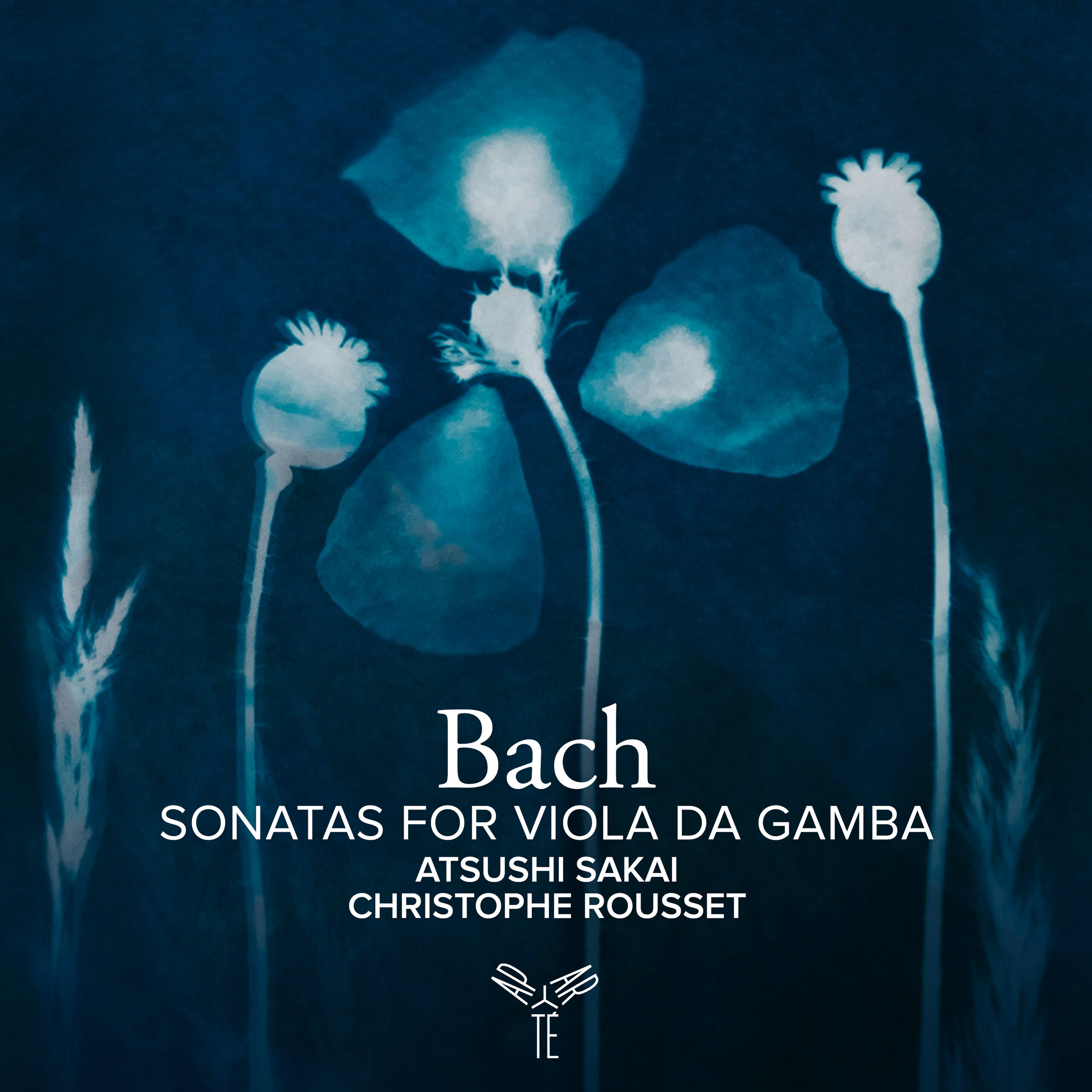
With Bach: Sonatas for Viola da Gamba, released on Aparté, Atsushi Sakai and Christophe Rousset approach one of the most enigmatic bodies of chamber music by Johann Sebastian Bach. The album brings together the three sonatas for viola da gamba and harpsichord, BWV 1027, 1028, and 1029, along with the Sonata for Violin and Continuo in E minor, BWV 1023, transcribed for viola da gamba and harpsichord by Atsushi Sakai. Aparté underlines just how much these works defy certainty: it is unclear whether they date from the composer’s youth or maturity, or whether they form a cycle conceived as such or an assemblage of independent compositions.
The interest of the recording lies in the way it embraces the mystery rather than artificially dispelling it. Atsushi Sakai, on viola da gamba, and Christophe Rousset, on harpsichord, long-standing partners, reveal music in which the viol is never merely a melodic instrument: it becomes a voice, a line of lament, a contrapuntal partner and an almost spiritual presence. The transcription of BWV 1023 extends this reading by transferring to the viol writing originally conceived for the violin, without seeking any external effect of virtuosity.
The success of the album also lies in the balance between the two musicians. Christophe Rousset does not accompany: he converses, responds, illuminates the joints of the musical discourse. Sakai, for his part, gives the viol a supple, concentrated and never demonstrative voice. In these sonatas, where Bach combines the legacy of chamber music, the demands of counterpoint and a kind of intimate gravity, the duo favours clarity of line and expressive density. A Bach less monumental than suspended, in which every movement seems to seek its point of balance between thought and song.


You must be logged in to be able to post comments.
Sign in